


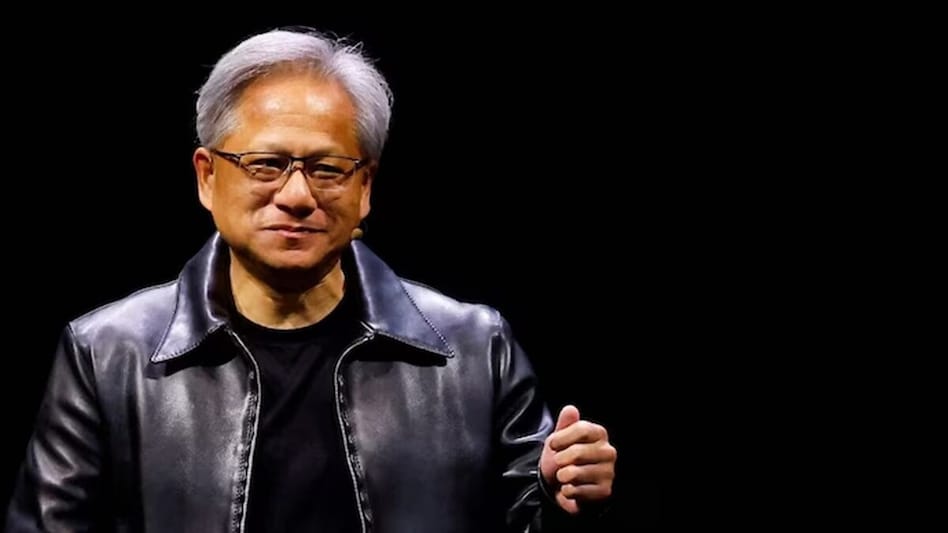
 Nvidia CEO Jensen Huang.
Nvidia is preparing to launch a new artificial intelligence (AI) chip for the Chinese market at a significantly reduced price compared to its recently restricted H20 model, according to a Reuters report citing sources familiar with the matter.
The upcoming GPU, part of Nvidia's latest Blackwell-architecture AI chips, is expected to cost between $6,500 and $8,000, making it substantially lower than the H20's price tag of $10,000 to $12,000. Two of the sources told Reuters the reduced pricing reflects weaker specifications and simpler manufacturing requirements.

 Jio Platforms IPO: GMP hits new high; what could drive next phase of growth for telecom major
 Trump pauses Russia-linked tariffs threatening India and China: What it means for India
 Rupee gains 1.9% in a week, closes at 94.71: Is RBI’s currency defence finally working?
 Brent hits $110 as Hormuz ship attacks, Houthi strikes on Saudi trigger oil rally
 Aadhaar, UPI put India among World’s Top 10 reform success stories: CareEdge report
 Mahindra XUV 3XO ZNG Review: Turbo Power Meets CNG Mileage
 Gold, Silver Prices: Limited Upside Ahead Of Diwali? Expert Sees Gold At ₹1.5 Lakh, Silver At ₹2.3
 Expert Names REITs And INVITs To Watch For Quarterly Payouts And Potential Investment Returns
 Jio IPO: Mukesh Ambani's Big ₹30,213 Crore Bet, Reliance Employees Asked To Invest?
 Flying Cars Are Here? Elon Musk Shows Tesla Roadster Flying Through Air In Stunning Demo
 LTM shares down 28% in 2026: Buy amid pivot towards short-term AI deals? Target prices
 Punjab National Bank: Buy, hold or sell post Q2 results? MOFSL shares targetBrent hits $110 as Hormuz ship attacks, Houthi strikes on Saudi trigger oil rally
 CCL Products shares fall 9% on Q2 results; brokerages see up to 30% upside
 PNB Q2 earnings: Net profit rises 13%, asset quality improves
  Election Commission transfers around 20 CEOs in 20 months amid SIR, changes seen in Nirwachan Sadan, Delhi EC: ReportMahindra XUV 3XO ZNG Review: Turbo Power Meets CNG MileageRupee gains 1.9% in a week, closes at 94.71: Is RBI’s currency defence finally working?
 Electoral roll revision: Surjit Bhalla weighs in on deletions, missing voters, disenfranchisement
 What does the “i” in iPhone actually stand for? The answer goes back to 1998












