


 ChatGPT Atlas
OpenAI has launched ChatGPT Atlas, a new web browser that places its flagship AI assistant at the heart of everyday internet use. The browser is designed to turn web navigation into an interactive experience, allowing users to search, research and perform tasks through natural conversations.
The introduction of Atlas builds on OpenAI’s earlier integration of web search within ChatGPT, which became one of the most-used features on the platform. With Atlas, ChatGPT becomes a built-in digital companion that can assist across the web, understand user context and perform actions directly within the browser.
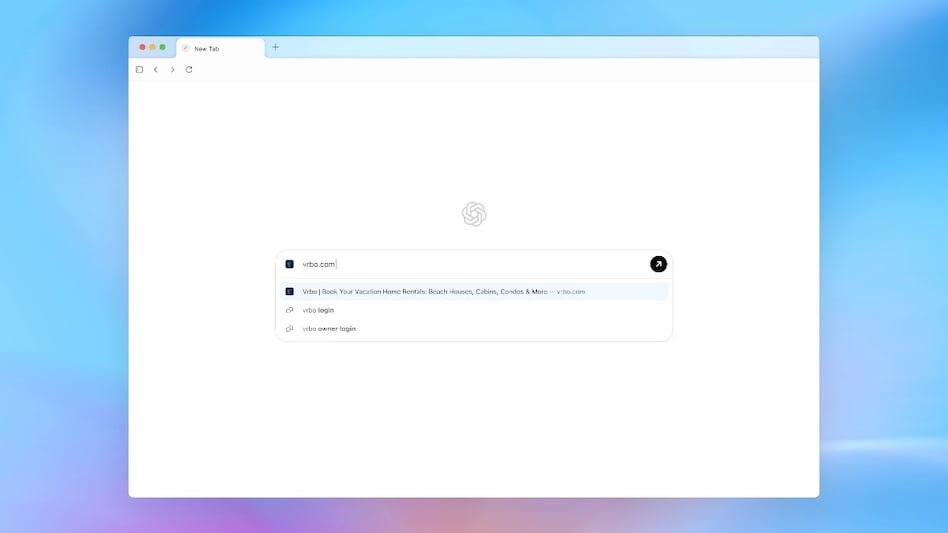
According to OpenAI, Atlas combines browsing, productivity and AI in one experience. Users can open a tab, ask ChatGPT a question or type a URL, and receive results that include search links, images, videos and news.
“During lectures, I like using practice questions and real-world examples to really understand the material. I used to switch between my slides and ChatGPT, taking screenshots just to ask a question. Now ChatGPT instantly understands what I’m looking at, helping me improve my knowledge checks as I go,” said Yogya Kalra, a college student and early tester of ChatGPT Atlas.
Atlas introduces browser memories, allowing ChatGPT to remember context from previously visited sites and use it to provide more relevant answers. For instance, users can ask the AI to summarise job postings they reviewed last week or generate research notes from recent activity.
These memories are private and optional, with full visibility and control through settings. Users can archive, delete or manage what ChatGPT can see on specific sites. Turning off visibility ensures ChatGPT cannot read the page content or create memories from it.
The browser also includes Incognito mode, which temporarily logs the user out of ChatGPT, ensuring that browsing and chat histories are not saved.
Atlas introduces an upgraded agent mode that allows ChatGPT to take actions on behalf of the user directly within the browser. This can include researching, planning events, filling forms or even ordering groceries.
For example, users can ask ChatGPT to gather ingredients from a recipe, add them to a cart and place an order via integrated shopping services. Businesses can use the same feature to automate competitive research or compile team briefs.
OpenAI said it had “prioritised safety” while building these features. Agent mode cannot run code, download files or install extensions, and it pauses when dealing with sensitive sites like financial institutions. Users can also choose to run it in logged-out mode to reduce data access.
ChatGPT Atlas is available worldwide on macOS for Free, Plus, Pro and Go users, and in beta for Business accounts. Windows, iOS and Android versions will follow soon.
The company said it will continue improving Atlas with upcoming features such as multi-profile support, enhanced developer tools and ways for app developers to increase discoverability within the browser.
OpenAI described the launch as “a step toward a future where most web use happens through agentic systems” that automate routine work and allow users to focus on creativity and decision-making.
For Unparalleled coverage of India's Businesses and Economy – Subscribe to Business Today Magazine

 Where are the jobs: Youth unemployment remains high; fewer jobs for those with higher education in India
 Infosys, OFSS, Coforge shares rally up to 4%; all 10 Nifty IT index stocks rise
 Nitin Gadkari moves Bombay High Court against viral E20 deepfakes, hits Meta with suit
  Brezza goes turbo: Maruti Suzuki packs more power, more tech to woo Gen Z SUV buyers with a starting price tag of ₹7.4 lakh
 Tata Consumer stock: Tata Group's FMCG arm reacts to Q1 earnings show
  HDFC Bank Share: US Law Firms Investigate India's Largest Pvt Bank | Deven Choksey's Verdict On Stock
 Private Bank Stocks Rally After Q1 Results! Should Investors Buy The Banking Leaders?
 49 Days Of NEET Protest: The Story Behind CJP's Movement & Pradhan's Resignation Explained
 IPO Rush Ahead! Should You Invest In Manipal Health & Upcoming IPOs? Avinash Gorakshakar Explains
 Why IndiGo Stock Is Rallying | Impact Of Falling Crude Oil On Aviation Stocks
 Upcoming IPOs: Zepto, Shiprocket, Truhome & others eye to raise Rs 25,000 crore in August
 Caliber Mining shares extend rally, jump 18% to hit fresh high after strong listing; analysts advise caution
 Healthcare sector: Bullish on HCG, Thyrocare and FDC shares, says InCred AMC CIO Infosys, OFSS, Coforge shares rally up to 4%; all 10 Nifty IT index stocks rise
 Infosys fined €175,000 by French authority over employee time tracking system; says no material business impact
 Jeff Bezos ex-wife MacKenzie Scott’s ‘Donation Playbook’ inspires Evan Spiegel’s big Gift
  Car crash claims life of 20-year-old student came home from the US for a holidayUpcoming IPOs: Zepto, Shiprocket, Truhome & others eye to raise Rs 25,000 crore in August
 Samsung Galaxy Z Fold 8 series pre-orders at Reliance Digital: EMI starts at Rs 6,000Caliber Mining shares extend rally, jump 18% to hit fresh high after strong listing; analysts advise caution









