



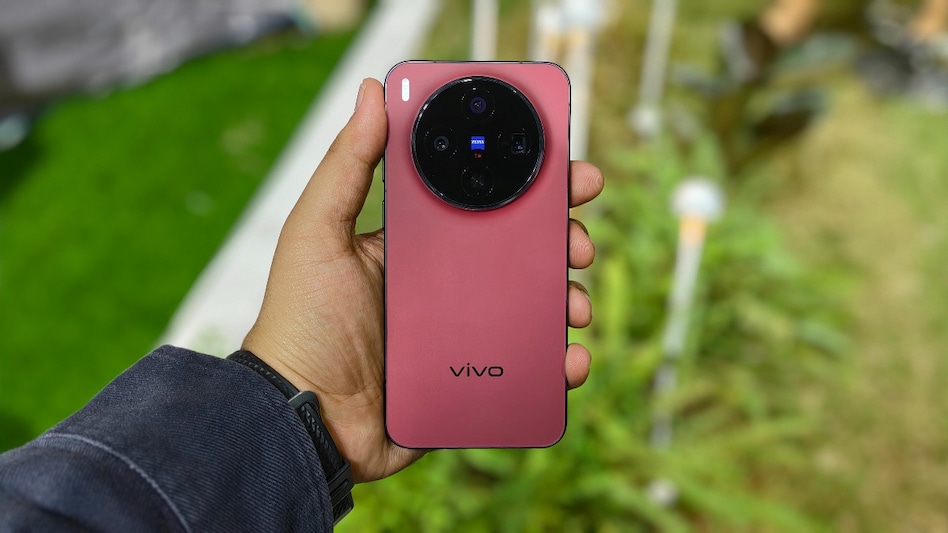
 The Vivo X300
In an era where smartphone screens are ballooning to gargantuan sizes, Vivo has done something brave. With the launch of the Vivo X300, the company has delivered a compact powerhouse that refuses to compromise on flagship specs, essentially combining the larger base X series variant and the ‘Mini’ variant.
However, the X300 is more than just a "mini" version of its Pro sibling; it is a dedicated imaging tool designed for those who want DSLR-grade photography tucked into a pocket-friendly silhouette. With that said, is that all there is to it? Is this just a phone with a good camera?
Has the rest of the been compromised on because of it?

 Crude oil could crash to $40 after Iran war ends, says US Treasury Secretary Scott Bessent
 600% dividend stock: Check dividend per share, record date, payment date and other key details
 'Pack and go' order: Tata Chemicals claims full regulatory compliance as Kenya demands exit from Lake Magadi
 What is Pickaxe Mountain? Inside the Iranian nuclear site being threatened by Trump
 IPO rush next week: 11 issues eye to raise Rs 7,055 crore; 6 IPOs to open on same day, check details
 Midcap, Smallcap Funds: Strong Profit Growth Could Keep Investor Flows Robust, But Valuations Matter
 Travel Insurance Guide: Where To Buy, How Much Cover You Need & When To Get It
 MINI Countryman C Tech Overview | Tech Gear EP 17 | ASUS Jelly75 Keyboard | Business Today
 From LIC At 70 To 100: CEO Doraiswamy’s Big Promise To Policyholders & Shareholders
 LIC CEO On Changing Insurance Needs, Younger Customers & The Rise Of Retirement Planning
 IPO rush next week: 11 issues eye to raise Rs 7,055 crore; 6 IPOs to open on same day, check details600% dividend stock: Check dividend per share, record date, payment date and other key details
 56% rally in TBZ stock: Upper circuit led to record high today; here's why
  Sensex, Nifty snap four sessions of losing streak; RIL, Tata Steel, Bajaj Finance boost sentiment
  Physicswallah shares jump 9% as Motilal Oswal sees 66% upside
 From chai & maggi to lifelong bonds: BITS Pilani VC shares touching story of campus legend PappujiMidcap, Smallcap Funds: Strong Profit Growth Could Keep Investor Flows Robust, But Valuations Matter
 Monsoon update: These Delhi-NCR areas to see heavy rainfall today. Check latest detailsCrude oil could crash to $40 after Iran war ends, says US Treasury Secretary Scott BessentTravel Insurance Guide: Where To Buy, How Much Cover You Need & When To Get It