


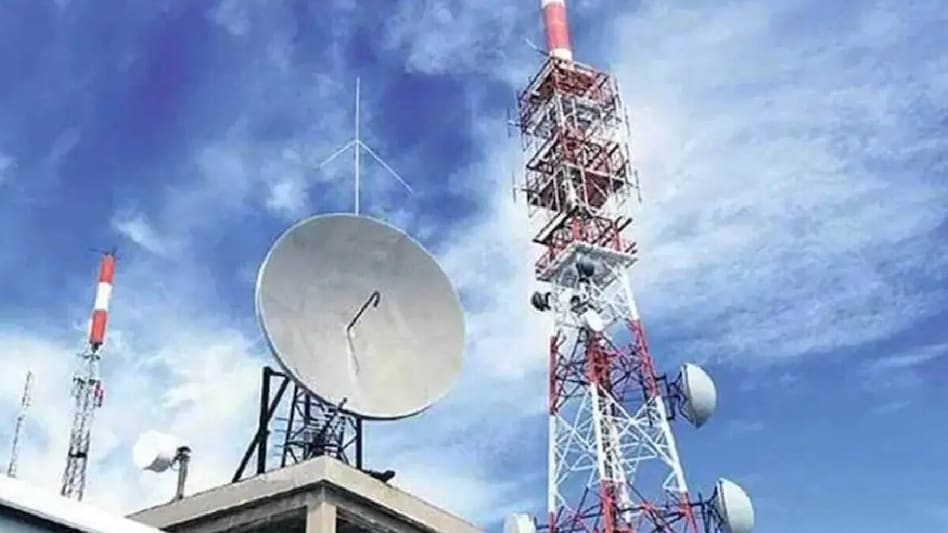
 The proposed framework is expected to have wide-ranging implications across sectors.
 India has taken a key step towards enabling connected and smarter mobility, with the Telecom Regulatory Authority of India (TRAI) releasing a consultation paper on the regulatory framework for Vehicle-to-Everything (V2X) communication.
V2X technology allows vehicles to communicate in real time with other vehicles, traffic signals, and even pedestrians using wireless networks. The objective is to improve road safety, reduce congestion and, over time, support the development of autonomous driving systems.

 Hyundai, Kia parent Hyundai Motor Group to invest $15.5 billion in India till 2032
 Tata dispute has created anxiety in family businesses, firms reviewing independent directors: Harsh Goenka
 Apple unveils 'HomeView' Smart Home Hub with a 7-inch display, Siri AI and competitive price: All details
 GST’s next big push: More taxpayers, better compliance and higher revenue
 Sanjeev Sanyal warns: Chasing GDP growth above 7% could push inflation past 6%
 TCS, HCLTech Rally Amid Global AI Jitters: What's The Next Market Move?
 How Aditya Birla Group Navigates Tariff Uncertainty & Builds Global Competitiveness
 Kumar Mangalam Birla on Why Businesses Must Think Twice Before Rushing Into AI
 Delhi’s Jantar Mantar No Longer A Protest Hub: 3 New Sites, Costs And Rules Explained
 Exclusive: Shashi Tharoor On SIR, Voter Deletions And BJP’s Charge Against Opposition
 Persistent, Coforge, Mphasis: Analyst shares midcap picks amid IT rally
  Tata Steel, Vedanta or Lloyds Metals? Analyst shares top stock pick
  BEL discloses additional orders worth Rs 533 crore, check details
  Investors gain Rs 5 lakh crore as Sensex, Nifty gain over 1% each; key factors behind the rally
  Tonbo Imaging IPO: Akash Bhansali, SBI Funds among investors buying shares worth Rs 413 crore
 'I will be there after elections': Trump warns Houthis over strikes on Saudi Arabia
 Amit Shah's fiery response to Rahul Gandhi: No Congress govt in Bengal for 54 yrs, is that because of SIR?Tata dispute has created anxiety in family businesses, firms reviewing independent directors: Harsh Goenka
 Amit Shah's Sharp Attack On Rahul Gandhi: 'You Can't Become The Voice Of The Nation'TCS, HCLTech Rally Amid Global AI Jitters: What's The Next Market Move?












