


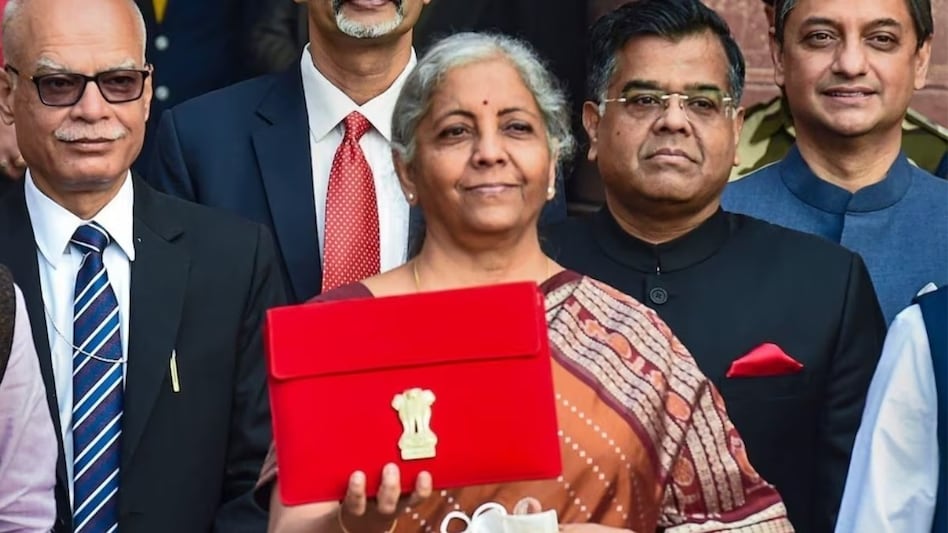
 Budget 2024: Nomura India expects the Budget to signal policy continuity and an uncompromising focus on fiscal consolidation, despite the weaker political mandate.
Nomura India in its Union Budget 2024 preview note said the first budget of Modi 3.0 would be an important platform for the NDA government to signal its intent on fiscal consolidation, showcase how it plans to manage allies’ new financial demands, and also establish its vision and reform agenda for the next five years. The brokerage expects the budget to signal policy continuity and an uncompromising focus on fiscal consolidation, despite the weaker political mandate.
Nomura India said the BJP lost its majority and is now reliant on state-level coalition partners, notably the Telugu Desam Party (TDP) from Andhra Pradesh and the Janata Dal (United) (JD(U)) from Bihar. Still, it expects the government to lower its FY25 fiscal deficit target to 5 per cent of GDP from 5.1 per cent set in the interim budget. Incorporating the financial demands of the two allies, it expects a 0.2 per cent of GDP rise in total expenditure, as compared to the interim budget target. It expects the government to stick to the tax revenue growth projections made during the interim budget, albeit on the provisional FY24 data.

 IDBI Bank employees and pensioners have nothing to fear: DIPAM Secretary
  'I wish I was 20 years younger': Sunil Mittal on India's next 20 years, recalls OneWeb pitch to Rishi Sunak
 RIL group to become India's largest conglomerate by m-cap after Jio IPO: Uday Kotak
 NDMC announces two-day closure of Connaught Place's Central Park ahead of CJP's 'Lehra Do Tiranga' march on Friday
 IDBI Bank sale to Fairfax faces union resistance, black-badge protest on October 16
 Jio Platforms IPO: ₹30,000 Crore Issue Opens October 21, Valuation At ₹10.3 Lakh Crore
 Weekend OTT Releases: The Diplomat 4, Aasha, Sacrifice And More
 How Jio Transformed India From Data Scarce to Data Abundant! | Akash Ambani | Jio Platforms IPO
 Akash Ambani Decodes Jio's Financial Muscle | Reveals The 5 Key Business Drivers | Jio Platforms IPO
 From Dhirubhai’s 1977 IPO to Jio's Mega Launch | Uday Kotak Calls Jio IPO a ‘Moment in History’
 RIL group to become India's largest conglomerate by m-cap after Jio IPO: Uday Kotak
 Gold eyes sharp recovery; can MCX prices hit Rs 1.5 lakh? Vandana Bharti explains
 Tech Mahindra Q2 results: PAT rises 33% YoY to Rs 1,586 crore; recommends 1:1 bonus issue
 Jio Platforms IPO: How HFCL promoter Mahendra Nahata's investment could rise over 110 times
 South Indian Bank shares hit 52-week high on Q2 earnings, close higher
  Left ₹1.89 crore job at Microsoft, no co-founder and no salary: Why this 25-year-old chose to build an AI startup alone
 Why Falguni Pathak’s songs surge on YouTube every Navratri, year after year
 SBI Card launches Eternal credit card with Zomato Gold membership, cashback benefits
 From elderly care to hiking buddies: How China’s loneliness problem is becoming a $7.4 billion business
 Financial Horoscope Today, October 16, 2026: Taurus Should Focus on Budget, Know the Financial Status of All 12 Zodiac Signs












