


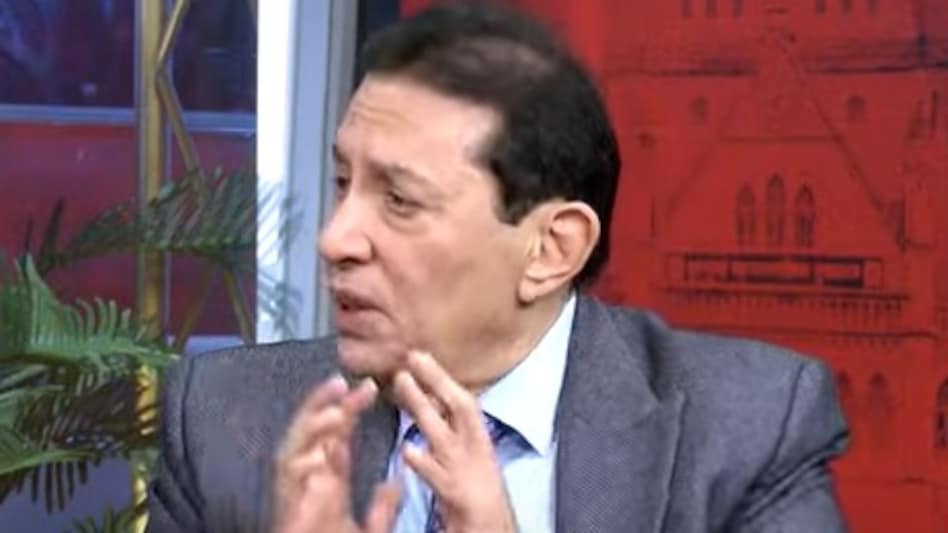
 Mistry, known for his deep insights into the financial sector and extensive market experience, emphasized the need for growth-centric policies and effective measures to tackle unemployment.
As the Union Budget 2024 approaches, Keki Mistry, former Vice Chairman and CEO of HDFC Limited, has outlined critical economic priorities for the Indian government. In a recent interview on Business Today TV, Mistry, known for his deep insights into the financial sector and extensive market experience, emphasized the need for growth-centric policies and effective measures to tackle unemployment. His comments come at a crucial time when policymakers are poised to shape the nation’s economic trajectory for the upcoming fiscal year.
Growth and Job Creation

 LIC emerges as biggest bidder in NSE IPO, applies for shares worth Rs 4,500 crore: Report
 NSE IPO listing on September 24: How 5 largest IPOs fared on market debuts
 UPI MDR GST: NPCI says small merchants and 96% of transactions remain unaffected from October 15
 BT Big Story: How the FCNR(B) deluge has created two new problems for the RBI
  OpenAI warns of autonomous AI risks, calls for global rules before AI starts improving itself
 IIT Bombay Protest: Rajkumar Pant On Student Demands, Professor Suspension And Campus Row
 Is Microsoft India Evaluating More Data Centres To Scale AI Infrastructure?
 Market Guru: Anshul Saigal On Market Outlook & Key Investment Themes
 Data Centres To Defence: Kshitiz Mahajan’s Key Investment Themes
 Varmora Granito IPO: How Management Plans To Reduce Morbi Concentration Risk
 Borosil Renewables shares rise 3% as board approves revised Rs 1,100 crore expansion cost
 L&T, DRL, Vijaya Diagnostic, M&M Financial: Buy, Hold or Sell? Here are target prices
 HAL, BEL, BDL, BEML: Defence stocks to buy for 13-24% upside
 IREDA, Ola Electric, Adani Energy Solutions, Crisil, Supreme Petrochem: Expert shares outlook
 Abakkus Asset Manager IPO: Sunil Singhania-promoted firm files DRHP with SEBI; check key details
 Shastri Bhawan, Krishi Bhawan to be vacated by Sept 30 for Central Vista projectBorosil Renewables shares rise 3% as board approves revised Rs 1,100 crore expansion costL&T, DRL, Vijaya Diagnostic, M&M Financial: Buy, Hold or Sell? Here are target prices
 Is macOS 27 update taking up space on your Mac? Check for these hidden AI files
 Here’s why the Centre is hopeful of keeping the FY27 fiscal deficit in check












