








 In his view, some level of budget deficit is acceptable if it is used effectively to stimulate growth.
  In his view, some level of budget deficit is acceptable if it is used effectively to stimulate growth.
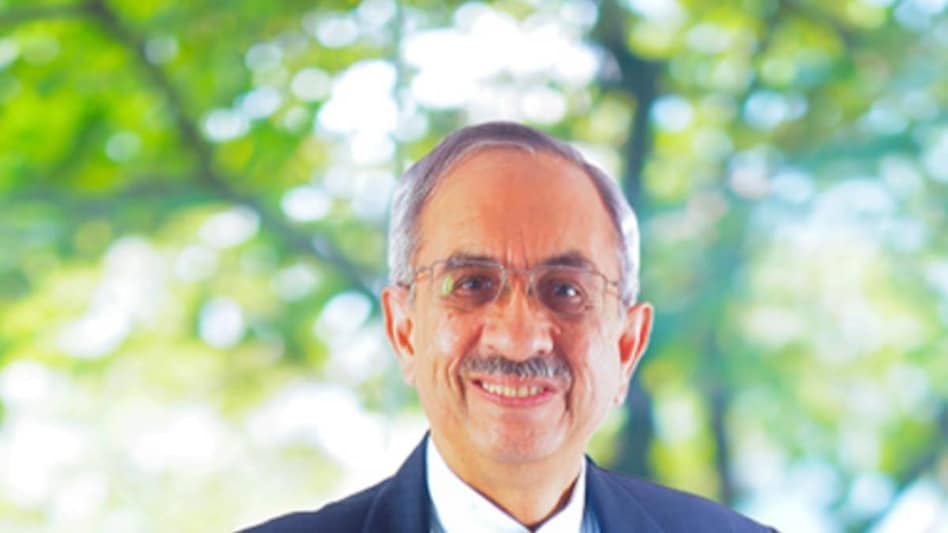
 Nadir Godrej, Chairperson of Godrej Industries Group, said that instead of focusing on reducing budget deficit the government should instead focus of debt-to-GDP ratio as part of the long-term health of the economy.
Speaking on the upcoming Union Budget and the broader economic outlook for India, Godrej suggests that while a budget deficit may seem concerning in the short term, it is not necessarily harmful if it supports growth. The key metric to watch is the debt-to-GDP ratio, which reflects the country’s overall debt relative to its economic output, he said in a conversation with Siddharth Zarabi, Editor of Business Today, at the World Economic Forum in Davos.
Godrej argued that if India’s economic growth rate increases from the expected 6.7% to 9%, the country’s debt-to-GDP ratio would improve, reducing concerns over debt sustainability. In his view, some level of budget deficit is acceptable if it is used effectively to stimulate growth.
Godrej highlights the importance of government capital expenditure, even if it may initially appear as overspending. While these investments may seem expensive upfront, they create valuable assets (like roads, energy infrastructure, and public facilities) that will yield returns in the future, boosting productivity and fostering economic growth, he said. Capital expenditure refers to government spending on infrastructure and other long-term projects that contribute to the economy’s future growth.
While acknowledging a slowdown in consumption and private sector investment, Godrej remains optimistic, stating that India is still poised for growth in the 6-7% range in the coming year. He also pointed out that rural demand, which had been weak, is beginning to show signs of recovery. This is important because rural consumption is a significant driver of overall economic activity in India, and any recovery in this sector could help sustain growth, he added.
Godrej also addressed concerns over potential disruptions from international trade conflicts, such as a tariff war between the US and China, particularly under President Donald Trump’s administration. However, he seemed relatively unconcerned about the impact on India, stating that India’s growing exports of products like phones and chips, alongside the strength of its domestic market, would help mitigate any adverse effects.
He highlighted that India’s diversification in exports, particularly in technology and electronics, and its large internal market, could shield the country from some of the fallout from global trade tensions.
Overall, Godrej’s remarks reflect an optimistic yet pragmatic view of India’s economic future, emphasizing the importance of strategic investments, managing debt effectively, and positioning the country’s economy to grow despite external challenges.
 Iran's new Ayatollah says Hormuz must remain closed
 'It can't happen now': US Navy not ready to escort oil tankers through Hormuz
 From 20 mn barrels a day to a trickle: IEA says Hormuz closure is biggest oil supply disruption ever
 Mukesh Ambani's refinery deal rekindles momentum in India-US ties
 US-Israel-Iran war LIVE Updates: 'Some units to be released for commercial LPG beneficiaries,' says Petroleum Ministry Secy
 Rahul Gandhi Vs Hardeep Puri In Lok Sabha Over India’s Oil Security
 Induction Cooktop Sales Jump 300% In Delhi-NCR Amid LPG Supply Concerns
 Market Fall Deepens | Oil Hovers Near $100, Nifty Slips - Sanjay Sinha Explains What Next
 Market Crash Amid Oil Surge? Devang Shah Decodes | Live Market Commentary
 #Podcast | #Episode09 | From Bollywood Icon To Entrepreneur: Malaika Arora On Food, Fashion & Fitness
 Brent oil prices above $100 again after Khamenei signals Hormuz will stay shut
 NSE IPO: Leading exchange appoints 20 merchant bankers for its mega issue; check full list
 Sensex tumbles 2,171 pts, Nifty falls over 2% in 2 days; will stock market extend losses?
 Adani Power, Tata Power, Coal India shares jump up to 7%: Jainam Broking's Kiran Jani weighs in
 Iran war, oil-gas crisis: BHEL, Suzlon, Adani Power, Tata Power, AGEL among JM's top picks