


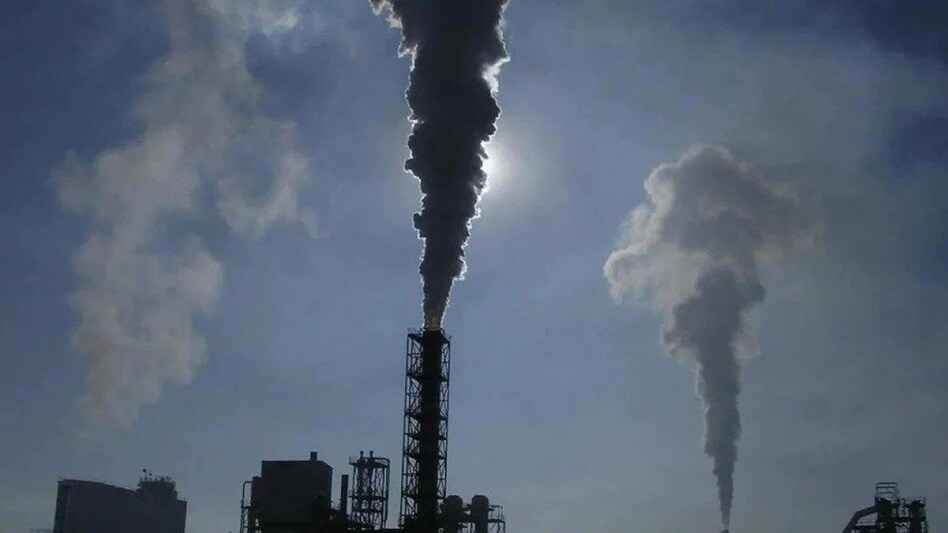
 The current energy crisis poses far-reaching threats to households, businesses, politics and the economy, according to WEF
In a world beset by complex and interconnected challenges, there is a worrying trend of division. Past years have seen decreasing levels of global collaboration, and the twin triggers of the COVID-19 pandemic and the Ukraine crisis have accelerated that trend. According to the World Economic Forum’s Global Risks Report 2023, four in five experts across a diverse international network said they expected consistent volatility over the next two years.
How can we then stem this tide of fragmentation? We must get to work – now.
During the World Economic Forum’s Annual Meeting 2023 in January, more than 2,500 leaders from governments, businesses and civil society will come together to share ideas, outline plans and form partnerships to tackle the world’s most pressing challenges. This year, there’s a clear need for a dual vision: First, how do we respond to the immediate crises touching all corners of the globe? And, at the same time, how do we lay the groundwork to create a more sustainable, resilient world by the end of the decade?
Most critically, we must find meaningful solutions to address the overlapping global resource crises in energy and food, as well as a weak economic outlook. There is an urgent need to go on the front foot and find ways to relaunch growth, trade and investment against these headwinds.
The current energy crisis poses far-reaching threats to households, businesses, politics and the economy. World leaders are facing difficult decisions to keep people warm and enable factories to keep running in the short-term, while also doubling down on the net zero transition and simultaneously ensuring the competitiveness of their economies in the long term. Elevated energy prices also threaten food security, as the number of people facing acute food insecurity has more than doubled since 2019, reflecting the interconnectedness of our international systems.
At the same time, the world faces an uphill journey on the economy in the coming months, as high inflation, low growth and high debt threaten jobs and businesses. A recent Forum report found that more than two-thirds of small and medium-sized enterprises (SMEs) and mid-sized companies are fighting for survival. At the same time, the rising cost of living crisis is pushing millions of people around the globe into poverty.
As crises converge, so too must solutions. We must maintain momentum on the energy transition, create sustainable food systems that will respond to our growing population needs, and ensure that those most vulnerable to economic shocks are protected. To this end, policymakers should pursue much-needed policy reform aimed at strengthening economic resilience and sustainability while addressing the systemic weaknesses laid bare by the current crises.
Identifying promising innovations and scaling emerging technologies are critical to these efforts. In recent years, technological advancement has offered hope to address many of the challenges facing our world, but its development and adoption has not kept pace with demand. Communities like the New Champions, Tech Pioneers, and UpLink offer blueprints for elevating and advancing such innovations in a collaborative community.

 Aadhaar authentication mandatory for subsidised LPG refills from October 1: Check rules
 Japan’s semiconductor push in India: Why Japanese companies are betting on materials, equipment and technology
  Tata Steel seeks fresh UK government funding as Port Talbot project faces delays
 How big is Apple Pay? US payment giant to enter India as UPI dominates digital payments
 Delhi airport gets its third runway operational; optimise aircraft movement
 CEA On India’s 7.8% Growth, Rural Incomes And Government’s Job Creation Push
  Gold Price Outlook: Why Dollar Weakness Could Keep Gold And Silver Prices Attractive Ahead
 Gold vs Silver Investment Strategy: Is This The Right Time To Buy For Long-Term Returns?
 Corporate Vs Personal Health Insurance: Which Is Better On A Budget?
 Gold Price Outlook: Why Gold Could Rise Despite Global Interest Rate Hikes | Silver Market Update
 Jindal Supreme, SS Retail, Hero Motors IPOs subscribed up to 181 times on final day; details here
 Sensex, Nifty post sixth weekly loss; TCS, Titan among top laggards, slip up to 4%
 How AI collapse could benefit Indian equity market; Jefferies' Christopher Wood explains
  Banks are no more secular growth story, prefer NBFCs: Chris Wood
 Jefferies' Christopher Wood sees gold at $10,000 'sooner or later'; likes India's small, midcaps
 Quant, Helios, Motilal Oswal: Midcap funds aren’t built the same; here’s how portfolios differ
 India’s hydrogen train may soon reach Delhi, opening a new chapter in clean rail travel
 TVS upgrades its premium bikes: New Apache and Ronin features revealed
 OpenAI’s new AI lawyer: Astra for Law could change how legal research gets done
 ₹5 lakh crore profit, not loss? SBI Research’s case for FCNR(B) scheme explained












