


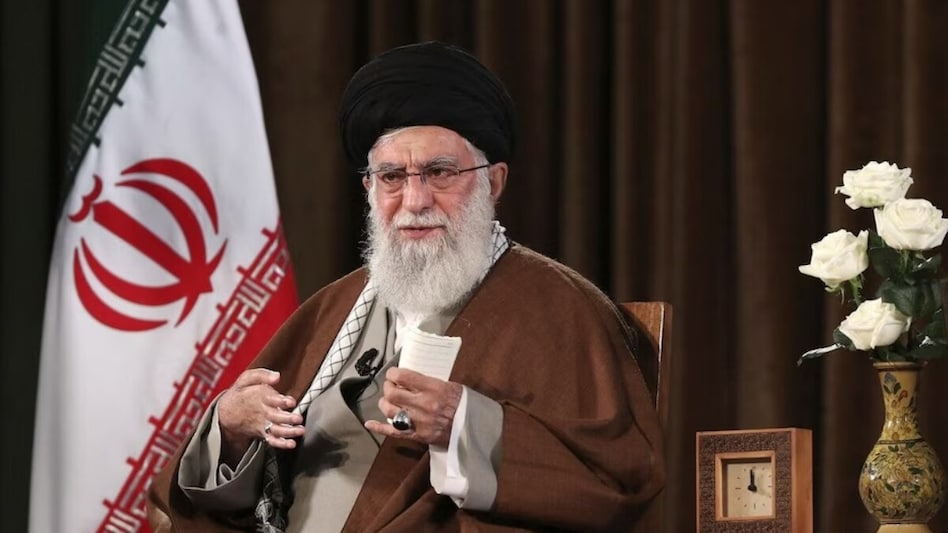
 Iran’s political structure concentrates ultimate authority in the office of the Supreme Leader but distributes operational power across several institutions.
A post by investment executive Iman Jalali on X (formally twitter) has captured a growing sentiment among geopolitical observers following reports that Iran’s Supreme Leader, Ali Khamenei, has died amid escalating regional tensions.
Jalali, Managing Partner at Bear Peak Capital, said the development may not immediately weaken the Iranian system, warning instead that the country’s political structure was specifically designed to survive the sudden loss of its top leader.

 BT BIG STORY: Why young global scholars are returning to teach at India's B-schools
 Tata Sons reviews its Articles of Association to meet SEBI listing regulations: Report
 BT Explainer: China’s gold market — What rising ETF inflows and falling physical demand signal
 Vedanta stock in focus: Metal major doubles South Africa zinc capacity with $600 million investment
 'Last time you wanted to finish the job...': Iranian foreign minister challenges Donald Trump
 Gold Vs Silver: Which Could Deliver Better Returns Over The Next 3–5 Years? Expert Shares Targets
 Gold, Silver ETF Purchases Halted: Why Mutual Funds Have Restricted Fresh Investments Before Diwali
 SIR Explained: Forms 6, 7 And 8—What Voters Must Know | Akshita Nandagopal Explains
 Gold Investment Options: ETFs, EGR And MCX Explained | How To Invest In Gold Beyond Physical Buying
 Redmi Note 17 Pro Max Review , Vivo V80, Vivo Vision | Tech Gear EP 20 | Business Today
 Hitachi Energy, Karur Vysya Bank, HDB Financial: Stocks to trade — Key levels, targets & stop loss
 Excess liquidity weighing on Indian equities, says Finance Minister Nirmala Sitharaman
 Top Stocks in news: ICICI Bank, Vedanta, HDFC Bank, Power Grid, YES Bank, RailTel, Axis Bank, Ixigo
 HDFC Bank Q2 review: Earnings in line with estimates; brokerages share price targets Vedanta stock in focus: Metal major doubles South Africa zinc capacity with $600 million investmentHitachi Energy, Karur Vysya Bank, HDB Financial: Stocks to trade — Key levels, targets & stop lossExcess liquidity weighing on Indian equities, says Finance Minister Nirmala SitharamanTop Stocks in news: ICICI Bank, Vedanta, HDFC Bank, Power Grid, YES Bank, RailTel, Axis Bank, IxigoHDFC Bank Q2 review: Earnings in line with estimates; brokerages share price targets Tata Sons reviews its Articles of Association to meet SEBI listing regulations: Report












