


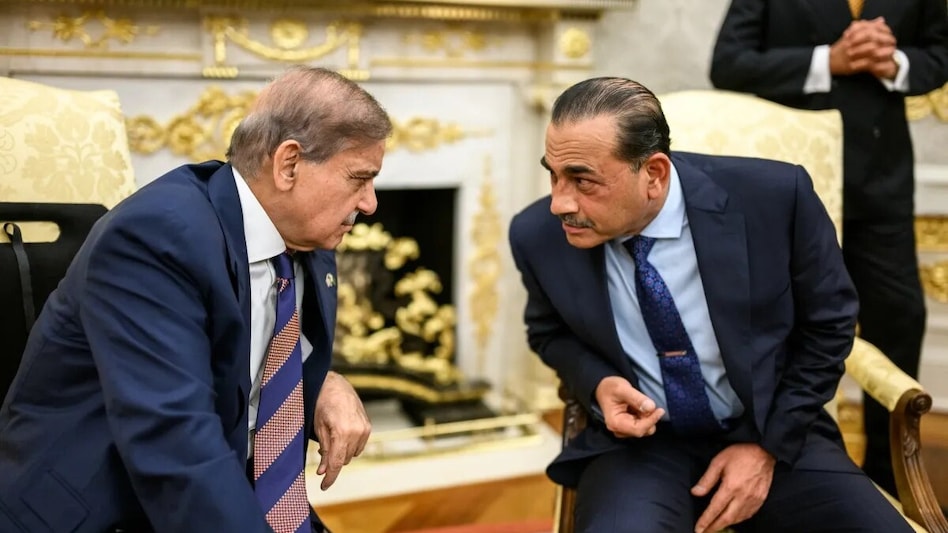
 Pakistani Field Marshal Asim Munir was involved in personal deals while negotiations took place
Pakistan’s military chief, Field Marshal Asim Munir, has reportedly been involved in personal agreements during ongoing diplomatic talks, including a contentious deal concerning New York’s Roosevelt Hotel. This came as Pakistan aims to act as a peace mediator between Iran and the United States.
According to a report in The Economic Times, though Pakistan claimed credit for mediation, sources indicated that Egypt had played a key role in securing the recent ceasefire. Cairo’s regional influence and backchannel diplomacy were important factors in these developments.

 India’s energy lifeline runs through the Indian Ocean: Why this maritime corridor matters
 20 Asia-Pacific stocks with up to 145% upside: Full ‘Going For Glory’ list, no Indian stock included
 Govt won't step into Singapore Airlines' Air India call, says Singapore minister
  Tax filing 2026: Missed crypto income in ITR? Why investors could receive an Income Tax notice
 CNG, hybrids and EVs reshape India's car market: What August sales reveal
 LIC CEO On Sustaining Blockbuster Q1 Growth Amid Market Uncertainty
 Travel Insurance Mistakes: Sub-Limits, Pre-Existing Conditions & Medical Evacuation Explained
 Home Loans & Insurance: How Couples Can Structure Them For Tax Efficiency
 Money & Marriage: How Couples Can Divide Household Expenses, Track Spending And Stay On Budget
 Parag Parikh Flexi Cap Fund Underperformance: Is Fund Size Becoming A Major Challenge For Investors?
 FCNR(B) windfall lifts NBFCs, small private banks: Why these stocks may be the bigger winners20 Asia-Pacific stocks with up to 145% upside: Full ‘Going For Glory’ list, no Indian stock included
 Tata Technologies: Former CEO Patrick McGoldrick sells shares worth nearly Rs 165 crore
 Tata Power stock: Choice Broking expects recovery, assigns two price targets
  IPO rush next week: 11 issues eye to raise Rs 7,055 crore; 6 IPOs to open on same day, check details
 'Toxic' Box Office collection Day 11: Yash starrer crosses ₹333-cr mark, but Hanuman Ansh steals the long gameLIC CEO On Sustaining Blockbuster Q1 Growth Amid Market Uncertainty
 'Which medicine did he take?' Purnia MP Pappu Yadav's striking look fuels Ozempic rumours. Watch
 $1 trillion, 500+ investors: India to host landmark BRICS sovereign capital summit in New DelhiTravel Insurance Mistakes: Sub-Limits, Pre-Existing Conditions & Medical Evacuation Explained












