


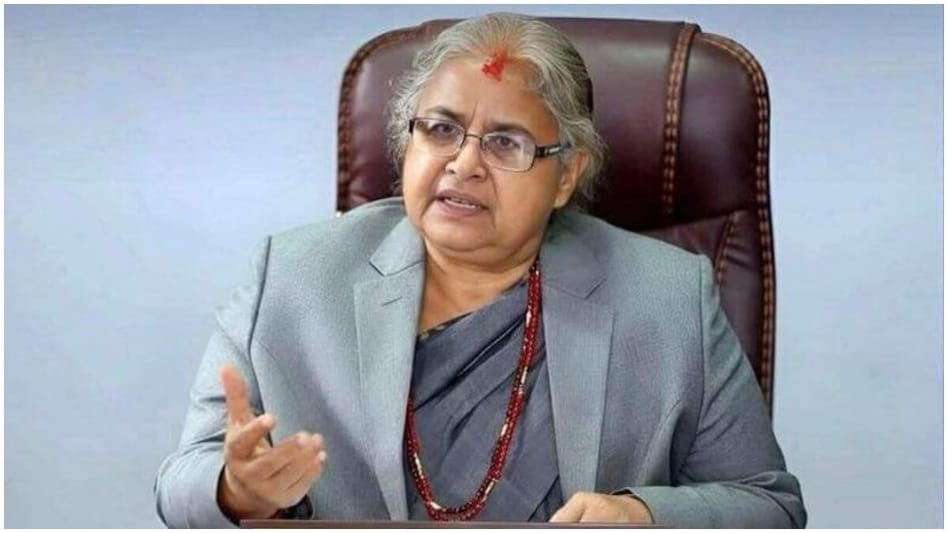
 Sushila Karki, known for her "iron fist" against corruption, is now steering Nepal through its most pivotal election cycle yet.
 When Nepal’s youth took to the streets to demand an end to the old order, they didn't look to a career politician to lead the transition—they looked to a 73-year-old former judge. Sushila Karki, known for her "iron fist" against corruption, is now steering Nepal through its most pivotal election cycle yet.
As the nation heads to the polls this March, we dive into the life of the woman who went from the Supreme Court to the Prime Minister’s office, proving that in the new Nepal, integrity is the most powerful currency.

 ₹8,862 crore in tolls! This state emerged as India's biggest highway toll revenue generator
 Could India witness a Korea-style market meltdown? Nithin Kamath explains the biggest risk
 How Indian investment overseas is gathering momentum
 Semicon 2.0, space, hydrogen trains: How manufacturing push is gaining pace, shows July's economic review
 To stay ahead, Indian manufacturers are embracing AI
 "RSS Controls Education, Dharmendra Pradhan Is Just A Symbol!": Rahul Gandhi’s Scathing Attack
 KOSPI Crash Explained | ₹152 Lakh Crore Gone, AI Stocks Under Massive Pressure
 PSU Stocks Outlook: Can Defence, Power & Industrial PSUs Deliver Strong Returns Ahead?
 "Normal Law & Order": JP Nadda Hits Back At Kharge Over Police Action On Student Protesters!
 Parliament's Most Viral Debate Yet? How Gen Z Language Entered Lok Sabha
 Could India witness a Korea-style market meltdown? Nithin Kamath explains the biggest risk
 Dabur India Q1 results: Profit up 15% at Rs 591 crore YoY; revenue climbs 11%
 FIIs could return to market in six months, says Ajay Bagga
  Sensex, Nifty climb over 1% each; investors add Rs 4 lakh crore in wealth
 Banks, IT, defence, power stocks likely to lead FY27 earnings upgrades, says Ajay Bagga"RSS Controls Education, Dharmendra Pradhan Is Just A Symbol!": Rahul Gandhi’s Scathing Attack
 Samsung Galaxy Z Fold 8 Ultra Unboxing
 'Amit Shah Ordered Firing?' Rahul Gandhi's Charge Sparks Fierce Showdown in Lok Sabha
 'Delulu', 'FOMO', 'Kuchu Puchu': Gen Z Slang Dominates Parliament Debate
 Bengaluru Restaurants Threaten Swiggy-Zomato Boycott Over Commissions & Charges










