


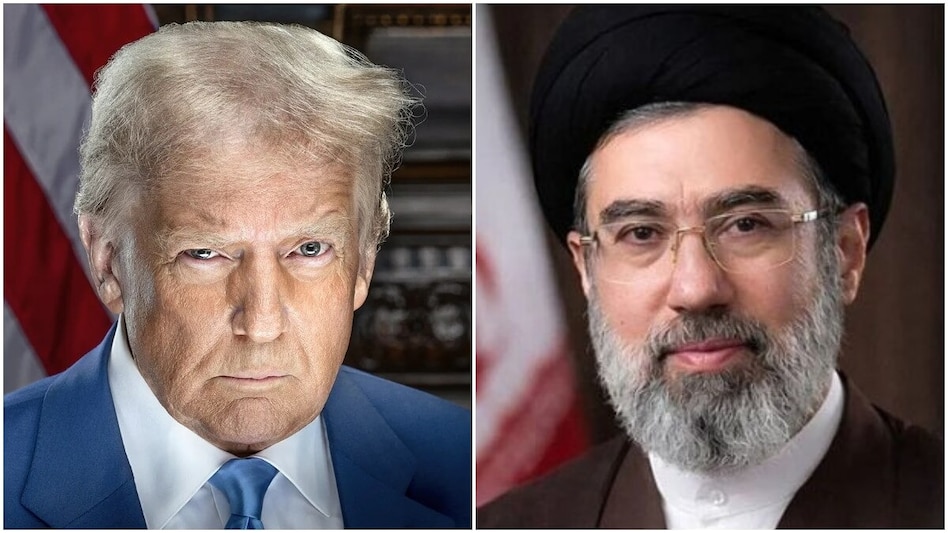
 Earlier, Iran’s Foreign Ministry spokesperson Esmaeil Baghaei explicitly denied that any formal signing ceremony would take place on June 14.
A dramatic diplomatic breakthrough appeared within reach as President Donald Trump announced that the United States and Iran are scheduled to sign a historic peace deal tomorrow, declaring the pact a “WALL TO NO NUCLEAR WEAPON” that would instantly reopen the blockaded Strait of Hormuz.
Writing on Truth Social, Trump claimed a profound shift in Tehran’s strategic ambitions. “In fact, they no longer want a Nuclear Weapon, nor will they have one, either through purchase, development, or any other form of procurement,” Trump wrote. “The Deal is scheduled to get signed tomorrow, and immediately after it is signed, the Hormuz Strait is OPEN TO ALL.”

 HDFC Bank shares: Carlisle investors to approach PMO over alleged mis-selling, says report
 $119 mn in Iranian oil trade: US sanctions four Indian firms, three nationals under Trump's economic offensive
 Iran, Oman discuss temporary corridor through Hormuz, to clear it of mines
 Block deals today: Welspun Corp, Groww to see Rs 3,322 crore worth shares changing hands
 ‘Incredibly troubling to see…’: NYC Mayor Zohran Mamdani says he opposes RSS chief Mohan Bhagwat’s event at Madison Square
 Trump Moves To Make H-1B Visa Fee Permanent And Higher: What It Means For Indians
 Market Rally Vs Geopolitical Risk: What Wins From Here? Aditya Agarwal
 Daily Calls: Ask Your STOCK MARKET TODAY QUERIES | Market Update | Share Market News Today
 Symbiotec Pharmalab IPO | Top Management On Growth Plans, Business Outlook & IPO Strategy
 Chennai Second Airport Halted: Parandur Project Faces Wetland Concerns & Political Storm
 PhysicsWallah block deal: Equity worth Rs 550 crore changes hands; stock climbs
 Gaja Alternative Asset Management shares make a decent market debut; stock lists at 16% premium
  HDFC Bank shares may fall to Rs 675-680, ICICI Bank a better pick, says Gaurav Sharma
 Augmont Enterprises IPO: Odds of share allotment, Ways to check application status, GMP & more
 Adani Energy shares gain after Rs 4,700 crore Maharashtra transmission project
 Caviar announces four luxury iPhone Ultra models ahead of Apple launch
 ‘No third party involved; we didn’t leak ceasefire details to US’: Ex-CDS Anil Chauhan on Op SindoorPhysicsWallah block deal: Equity worth Rs 550 crore changes hands; stock climbsGaja Alternative Asset Management shares make a decent market debut; stock lists at 16% premium HDFC Bank shares may fall to Rs 675-680, ICICI Bank a better pick, says Gaurav Sharma












