


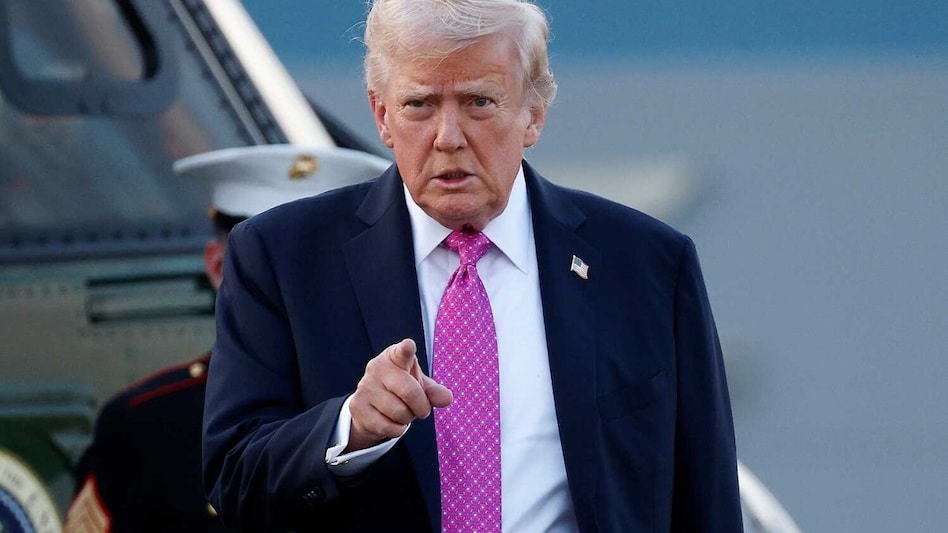
 Trump extends Iran truce on Pakistan's request but Tehran says it never asked for one
US-Iran ceasefire: Donald Trump extended the ceasefire with Iran on Tuesday, but within hours, Tehran had dismissed it as a trap, declined to attend the next round of talks, and warned of a potential surprise strike. What looked like a diplomatic opening quickly revealed itself to be another day of escalation dressed as restraint.
In a post on Truth Social, Trump announced the ceasefire would remain in place indefinitely, until Iranian leaders present a unified proposal and ongoing discussions are concluded, hours before the two-week truce was set to expire. The decision, he said, followed a direct appeal from Pakistan's leadership.

 Maximum prison term for GST offences rationalised, says finance ministry FAQ
 Jio Platform IPO price to be set at Rs 1,065-1,119, says report; check details
 ‘Vote chori’ proof will be submitted to President, says Rahul Gandhi after INDIA bloc meeting
 'Navi' triumphs over Trump! Indian-origin Navanethem Pillay wins 2026 Nobel Peace Prize
 Tata Sons boardroom battle: Why India Inc fears a wider crisis of ownership rights
 Silver Investment Outlook: Why Gen Z Should Watch This Metal's Long-Term Growth Potential
 Gold Price Outlook: Is This the Right Time to Invest? Expert Sees Potential for New Highs
 India Slams US PERM Suspension, Says JD Vance’s ‘Indentured Servants’ Remark Is Offensive
 Govt Plans Tighter Rules For Prescription Drug Ads, Pharmacies And Wholesalers In Focus
 Apple May Unveil Touchscreen MacBook, OLED iPad Mini In October: What To Expect
 Market on the back foot, opportunities ahead: where should investors put their money?
 Poonawalla Fincorp Q2 earnings: Net profit zooms 405%, NII at Rs 1,589 crore
  Vedanta, TCS shares to turn ex-dividend; Ola rights issue; 2 stock splits next week
 IPO rush: Rs 50,000 crore worth IPOs to hit Street by Diwali; Jio, Avada to lead fundraise
 Adani Ports, GMR Airports rise up to 5% amid block deal reports; check details
  Garba meets AI! Humanoid robot in traditional attire wows Gujarat crowd
 Financial Horoscope Today, October 10, 2026: Libra Natives Should Control Their Budget, Know the Status of All Signs
 iPhone Duo price comparison: How much does Apple's foldable phone cost around the world?
 World’s best cities for quality of life 2026: Canberra tops list, Europe dominates; Check list here
 Elon Musk calls Mukesh Ambani 'real boss of India', amid push for Starlink in India












