


 The IMF has recommended targeted cash transfers and temporary support through existing welfare systems rather than broad-based fuel relief.
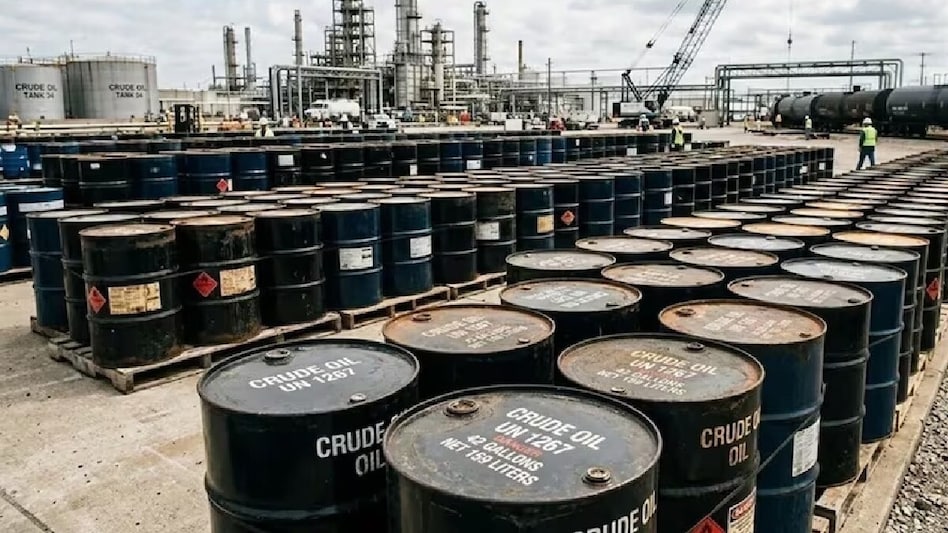
As rising crude oil prices once again threaten India’s inflation outlook and fiscal math, the International Monetary Fund has cautioned governments against relying on blanket fuel subsidies and price caps to shield consumers from the ongoing energy shock.
In a policy note released amid escalating tensions in the Middle East, the IMF said governments should ensure that “domestic energy prices reflect international costs” while offering only “targeted, temporary support” to vulnerable households and viable small businesses.

 'AI models cannot be trusted': Microsoft warns of insider threats, expands Project Perception
 China announces export controls on tunnel boring machines. Challenge for India's infra push?
 Ferrari expects FTA to boost demand in India; plans new dealerships in Ahmedabad and Chennai by year-end
 Houthi attacks disrupt Saudi aviation: Riyadh airport restricts flights indefinitely
 Fewer seats, higher fares: Why flying home this festive season costs more
 Volkswagen On CNG Cars, JSW Partnership And India's Auto Market Outlook
 5 Mutual Fund SIP Mistakes That Can Hurt Your Long-Term Wealth
 Xiaomi Mijia Air Purifier 6 Review: Worth ₹19,999 Before Winter? | Tech Today
 SIP to SWP: How to Withdraw Money From Mutual Funds After Building a Corpus
 PNB Reports Strong Q2FY27 Results; MD & CEO Ashok Chandra On Earnings And Growth Outlook
 Jio IPO draws 30 times anchor demand, brokerages see more upside in digital business
 Indian stock market outlook: Nikunj Saraf prefers large-caps, cautions against small-caps
 Hindustan Zinc Q2 earnings: Net profit zooms 149%, revenue at Rs 15,093 crore
  Muhurat Trading 2026: NSE, BSE announce Diwali timings; check full schedule
 ICICI Bank shares close lower after Q2 earnings; 3 brokerages remain bullish
 100% duty-free exports, 5,000 work visas & ₹35,000 crore investment: India-New Zealand FTA takes effect today. Here’s what changes
 Dussehra 2026 wishes: 20 messages to send to family and friends for happiness, prosperity and good healthVolkswagen On CNG Cars, JSW Partnership And India's Auto Market Outlook
 Buying iPhone Duo on October 23? Apple may not entertain walk-in customers amid stock shortage5 Mutual Fund SIP Mistakes That Can Hurt Your Long-Term Wealth












