


 Analysts warn that while the move could pressure China’s tech ambitions, it also risks blowback for American firms, particularly in the semiconductor and electronics sectors.
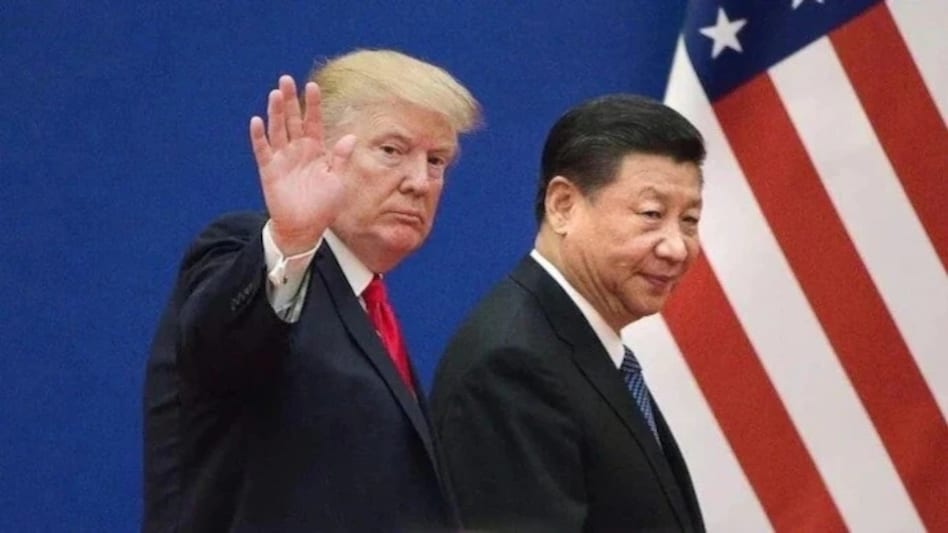
President Donald Trump is weighing sweeping new export controls that could block a wide range of software-based products from reaching China, in retaliation for Beijing’s latest restrictions on rare earth exports, Bloomberg reported.
The potential measure—still under consideration—would restrict global shipments of items made with U.S. software or using U.S. software tools, including laptops, semiconductors, and even jet engines, according to one U.S. official and three sources briefed by the government.

 BT Explainer: How the NCLT order in the Subhash Chandra case exposed gaps in personal guarantor cases and what could be done to improve outcomes
 HDFC Bank leadership shake-up: CEO Sashidhar Jagdishan to retire on Oct 26, will not seek reappointment
 GST Council set to meet on September 12; ITC norms, state revenues likely on agenda
 Multiple options exist post the deferment of Tata Sons' AGM, say legal experts
 From Apple to the Boardroom: Tim Cook’s leadership roles beyond Apple
 ITR Filing Deadline August 31: Key Rules For Freelancers, Content Creators & F&O Traders
 “Bengaluru Needs Metro, Not A ₹40,000-Crore Tunnel Road,” Says Tejasvi Surya
 Why Astra Microwave Could Benefit From Rising Defence Orders | Defence Sector In Focus
 Alienware 16 Area-51 Review: RTX 5080 Beast Or ₹3 Lakh Overkill?
 Hitachi Stock Doubles In 6 Months: Why It Became The Top Portfolio Performer Of 2026
 Jio Platforms IPO gets SEBI nod: Rs 27,500 crore debt repayment plan, $100 billion valuation in focus
 Closing Auction Session: Why the system expected to reduce volatility is still seeing occasional wild swings
 RIL-backed penny stock hits 52-week low; firm clarifies on high trading volume
 Happiest Minds shares slip despite IT stocks surge; here's what is weighing on the stock
 BEL, Solar Industries shares remain Nuvama's top defence picks; here's what it said on BDL, Data Patterns, HAL
 Kolkata to Bali: IRCTC launches an all-in-one holiday plan with a catch
 Durga Puja special: Darjeeling’s iconic toy train returns with a magical mountain ride
 Tim Cook’s 15-year Apple legacy: How he transformed the company after Steve Jobs
 September smartphone launches 2026: iPhone 18 Pro, Vivo X500, Redmi Note 17 Pro and more to expect
 Train seat rules: The innocent mistake that can land passengers in trouble












