












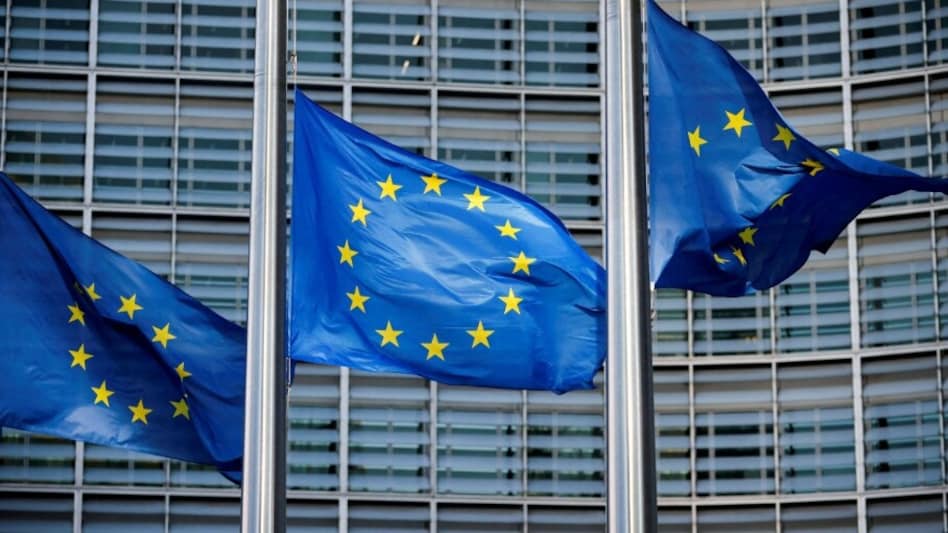
 EU faces challenges from U.S. tariffs, including 25% levy on steel, aluminium, and cars, plus "reciprocal" tariffs of 10% on other goods.
 EU faces challenges from U.S. tariffs, including 25% levy on steel, aluminium, and cars, plus "reciprocal" tariffs of 10% on other goods.
The European Union is preparing to propose tariffs on Boeing jets as a strategic response should ongoing trade negotiations with Washington reach an impasse. This development highlights the EU's readiness to escalate measures against the United States, particularly targeting civilian aircraft. The European Commission intends to incorporate these tariffs into a broader list encompassing approximately $100 billion worth of annual U.S. imports, Financial Times reported on Wednesday.
However, for these measures to be implemented, they require the endorsement of a weighted majority of EU member states, and would only proceed if there is insufficient progress in the trade discussions aimed at reducing U.S. tariffs on European goods.
Currently, the EU faces significant challenges from existing U.S. tariffs, including a 25% levy on imports of steel, aluminium, and cars, in addition to "reciprocal" tariffs of 10% on nearly all other goods, notably aircraft. These tariffs could potentially rise to 20% once President Donald Trump's 90-day pause concludes on 8 July. This situation complicates matters for European carriers, which have substantial orders for Boeing aircraft, as prospective levies could elevate the cost of these jets considerably. Industry insiders suggest that the EU is determined to ensure tariff parity between Boeing and Europe's Airbus, thereby retaliating against Washington's levies to maintain a level playing field.
EU Trade Chief Maros Sefcovic has reinforced the EU's stance, asserting that they are under no compulsion to accept an unfavourable tariff arrangement with the United States. This firm position underscores the EU's commitment to negotiating a fair deal while protecting its economic interests. Despite the fraught trade landscape, there is a notable consensus within the aerospace sector. European and U.S. aerospace companies have aligned in their call for the elimination of all tariffs, a significant departure from the contentious tariff wars of 2020 and 2021. This shared advocacy reflects a broader industry push for stability and growth amidst global market uncertainties.
The proposal to include Boeing jets in the EU's list of targeted imports marks a deliberate strategy to address trade imbalances and counteract U.S. tariffs. The inclusion of civilian aircraft underscores the EU's intention to exert pressure on Washington, especially given the substantial economic impact such levies could have on European airlines and related industries. The European Commission's plans, however, remain contingent upon the progression of trade talks, with implementation hinging on the EU's ability to reach a consensus among its member states.
As the situation develops, both Boeing and the European Commission have not yet provided comments on the proposed tariffs, the report noted.
 Fragile US-Iran ceasefire on verge of collapse: What comes next for West Asia?
 'Dangerous precedent for the world': UAE oil chief warns on Iran's control over Strait of Hormuz
 Will Tata Sons finally list?
 TCS Q4 results 2026: Net profit rises 12%, revenue at Rs 70,698 crore | Quarterly earnings details
 RBI pushes for same-day credit in cross-border payments, issues new guidelines
 “India is the Exemplar”: Minister Scindia Hails 22 Lakh Crore GST Milestone & ‘3S’ Growth Model
 FPI Outflows Reflect Global Shocks, Not India Weakness: World Bank Economist
 Post-Rally Pause: Is The Worst Over For Markets In 2026?
 Shaktikanta Das Calls India ‘Safe Anchor’, Urges Businesses To Build Resilience Amid Global
 Tata Sons IPO Battle Intensifies: Venu Srinivasan Challenges Noel Tata Over Listing Push
 Share price targets of auto stocks ahead of Q4 earnings: Bajaj Auto, Eicher Motors, Hero MotoCorp
 Sensex, Nifty, Nifty Bank outlook for tomorrow: Buying momentum over? Key market levels to watch
 BT Explainer | What latest Sebi circular says on 'Mechanism for lock-in of pledged shares'
 TCS Q4 results 2026: Key takeaways | Quarterly earnings highlights
 Waaree Energies vs Premier Energies: Which solar panel maker may lead Q4 growth? Target prices