


 While the FAA does not currently consider the issue an immediate airworthiness concern under regulations, it is monitoring developments and recommending inspections and, if needed, replacement of affected switches.
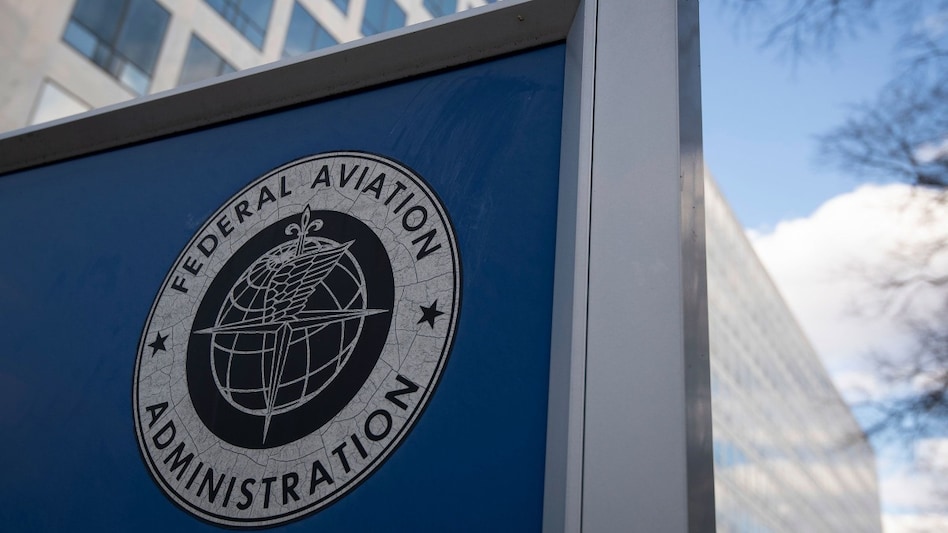
The US Federal Aviation Administration (FAA) has issued a Special Airworthiness Information Bulletin (SAIB) warning operators of several Boeing aircraft models about potential risks linked to faulty fuel control switches that could trigger unintended in-flight engine shutdowns.
The advisory spans a broad range of aircraft, including the Boeing 717-200, 737 series (covering -700, -800, -900ER, -8, and -9 variants), 747, 757, 767, 787-8/-9/-10, and the MD-11 and MD-90-30 models.
The FAA’s move follows reports from Boeing that some 737 aircraft were delivered with fuel control switches installed without the locking feature engaged. These cockpit switches manage fuel flow to engines and are designed with a safeguard to prevent accidental movement. Without the locking mechanism, the switch can shift between ON and OFF positions without being lifted, raising the chance of an unintended engine shutdown.
“Inadvertent operation of the switch could result in an unintended consequence, such as an in-flight engine shutdown,” the FAA warned.
While the FAA does not currently consider the issue an immediate airworthiness concern under regulations, it is monitoring developments and recommending inspections and, if needed, replacement of affected switches.
The switches in question, manufactured by Honeywell, are identified by part numbers tied to specific aircraft models. For instance, Boeing 737 aircraft with switches labeled P/N 766AT613-3D or 766AT614-3D may lack the improved locking feature. Other affected aircraft include:
and additional models listed in the FAA’s detailed table.
The FAA advises airlines to inspect fuel control switches while aircraft are on the ground to confirm proper engagement of the locking mechanism and to replace any faulty units — particularly on the 737 and 737-8/-9 fleets — with upgraded versions featuring improved locks.
Operators are also urged to report any locking mechanism failures to the FAA. For further details, the bulletin lists Tak Kobayashi, an FAA aerospace engineer, as the point of contact.
Although not currently subject to an Airworthiness Directive, the FAA’s recommendations aim to proactively mitigate safety risks associated with potential fuel switch malfunctions across multiple Boeing fleets.

 Reliance's Tira brings South Korean dermo-cosmetics brand Dr. Melaxin to India
 No plans to sell more stake in SBI Funds Management, says State Bank of India Chairman
 Maruti Suzuki announces second price hike within 2 months; cars to get costlier by up to Rs 30,000 from August
 SBI funds listing makes employee shareholdings more valuable. Here's who gained the most crores
 'Dangerous precedent, not seen in mature...': Govt sources slam Congress protest outside PM's residence
  Ram Temple Donation Theft Case: Cars, Bullet Bike Seized as SIT Probe Deepens
 Indian Stock Market Outlook: Sanjay Sinha On Risks, Rally & Winning Sectors
 Karnataka Cabinet Expansion: Who's In, Who's Out In Congress' Big Balancing Act?
 India-U.S. Trade Deal Sparks Farmer Anger: What's Driving The Shambhu Border Protest?
 Nifty Stuck Near 24,000: Crude Oil Prices, FCNR Inflows And Market Outlook Explained
 TCS shares down 31% YTD; experts say AI infrastructure push could support long-term growthNo plans to sell more stake in SBI Funds Management, says State Bank of India Chairman
 Sensex, Nifty extend losses; HDFC Bank, RIL drag, broader market outperforms
 SBI rules out fresh SBI Funds stake sale after blockbuster IPO debut
 RVNL shares face worst year since listing; analysts decode next move









