

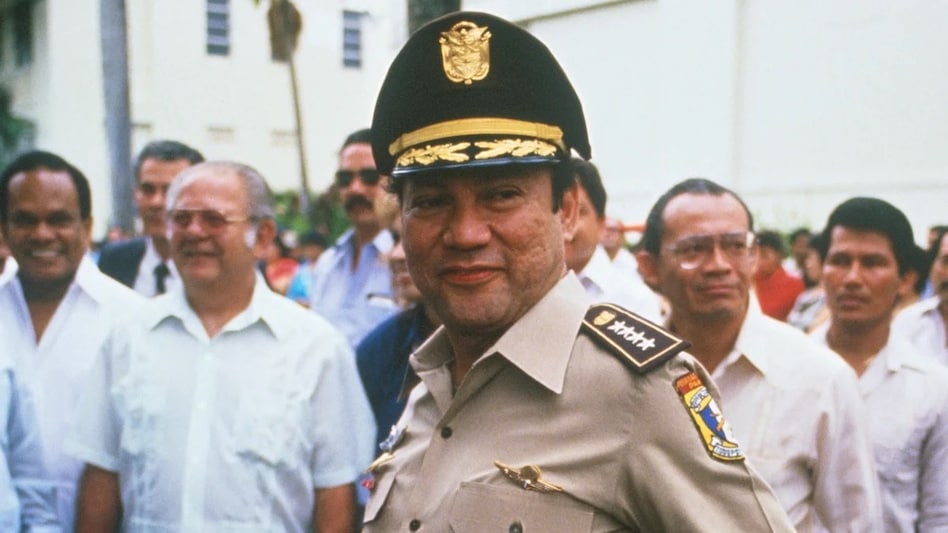
 During his rise, Noriega was not an adversary of Washington but an asset. A one-time US ally and CIA informant, he spent years on the agency’s payroll, receiving hundreds of thousands of dollars to assist American efforts against drug trafficking.
The 1989 US seizure of Panama’s strongman Manuel Noriega has re-entered global discourse, as analysts search for historical parallels to Washington’s dramatic operation in Venezuela that led to the capture of President Nicolás Maduro and his wife.
President Donald Trump announced early today morning that US forces had captured Maduro and his wife, a declaration laden with historical symbolism. The operation came exactly 36 years to the day after American troops arrested another indicted Latin American leader who had once served US interests — Manuel Noriega. The coincidence has sharpened debates over US interventionism, regime change, and Washington’s long record of alliances with authoritarian figures in the Western Hemisphere.
 Jio IPO: Can Akash Ambani turn Reliance’s telecom giant into a technology powerhouse?
 SEBI warns investors against fake stock tips on invitation-only WhatsApp groups
 Despite broader uncertainty, why Aadhar Housing Finance looks to maintain growth pace
 Budget FY28: Centre weighs up to 20% higher fertiliser subsidy amidst external headwinds
  Silver price crash: Gold-silver ratio signals more pain for white metal as expert sees further underperformance in festive season
 Cybersecurity Alert: AI Finds PHP Flaws, eMudhra Faces Certificate Concerns
 BrahMos CEO Exclusive | How BrahMos Is Expanding Production To Supply Vietnam, Indonesia & Russia
 Global Cyber Scare: PHP Flaws Threaten Websites, eMudhra Lapse Sparks Security Alarm
 Budget FY28 | Centre Weighs Up To 20% Higher Fertiliser Subsidy: Sources
 Market Commentary | Nifty - Sensex Today | Aditya Agarwal On What Investors Should Do Now
 Jio IPO: Meta's ₹43,573-crore bet could yield ₹56,272 crore on paper, but what about dollar returns?
 Swiggy Q2 results: Loss narrows to Rs 922 cr, revenue jumps 36%; Instamart loss at Rs 895 cr
 Airtel, Vodafone Idea, Indus Towers: Check fresh targets for Telecom stocks amid Jio Platforms IPO
 Adani Energy shares fall despite 148% surge in Q2 net profit; here's why
  HDFC Bank shares down 30% in 2026: FPI love for India’s largest bank wanes; what’s ahead?SEBI warns investors against fake stock tips on invitation-only WhatsApp groups
 'Early return of affected pilgrims...': India ramps up efforts to bring stranded Umrah pilgrims, says MEA
 MRSI seminar 2026: Research on Indian consumers, beauty and AI takes top honours across three categories
 eMudhra to exit global SSL/TLS certificate business after security incident
 Trump wanted the Atlantic Ocean renamed ‘Trump Ocean’. Sundar Pichai explained why Google could not do it












