










 Photo: ReutersPhoto: Reuters
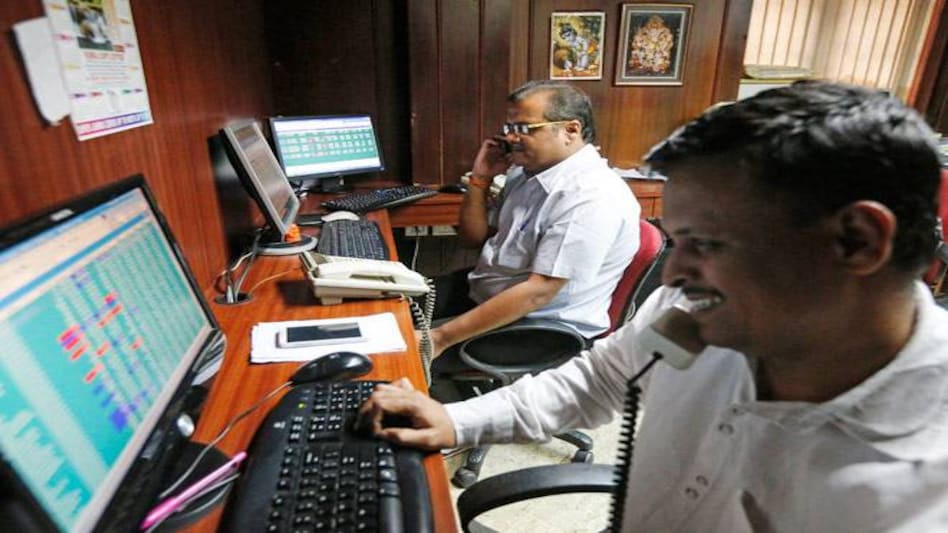
Markets were on a high today! The S&P BSE Sensex jumped over 500 points, while the broader Nifty50 topped its key 8,000-mark. We have clubbed four domestic and global factors that contributed to the market surge we witnessed on the Dalal Street right now:
1) Morgan Stanley surprises market
Morgan Stanley is bullish on India. The global brokerage has upgraded Indian stock market to 'overweight' from 'equalweight', stating valuations relative to emerging markets have become more attractive. The brokerage also said that overweight positioning among fund managers has come down.
Morgan Stanley believes rising dividends, GST Bill prospects, further monetary policy easing and benign monsoon are major potential catalysts for domestic equities.
2) Citigroup sees growth improvement
Citigroup sees India to grow at the highest pace in six quarters on account of uptrend in economic activity and favorable base effect. The global financial services major said India's GDP growth for the fourth quarter of 2015-16 is likely to improve to 7.8 per cent.
"Given the sequential uptrend in several economic activity indicators and supported by a favorable base effect, we expect real GVA (Gross Value Added) growth to improve to 7.8 per cent y-o-y in Q4 vs 7.1 per cent in Q3," Citigroup said in a research note.
3) Rain Gods are happy!
A few days after India Meteorological Department (IMD) predicted a delay in the onset of monsoon in Kerala, Skymet on Tuesday revised higher its forecast for the 2016 southwest monsoon to 109 per cent of the long period average (LPA) from 105 per cent of LPA predicted earlier.
4) US home sales data soothes rate fears
Domestic markets along with other global markets rallied as upbeat US home sales supported the view that the economy may be strong enough for the Federal Reserve to raise interest rates in coming months.
US new home sales data on Tuesday showed a jump in April to their strongest monthly pace in more than eight years, with prices setting record highs. The gains eased investors' fears that the economy may not be resilient enough to withstand an increase in borrowing costs, however modest.
 ‘Work from home, avoid foreign trips & gold purchases...’: PM Modi’s message amid West Asia oil crisis
  ₹1,600-1,700 crore a day: OMCs take ₹1 lakh crore hit to shield India from fuel price shock in 10 weeks
 PM Modi urges restraint in petrol, diesel use amid West Asia war; calls for saving forex
 Adani Green, Suzlon, BHEL, others among top gainers as 94% of BSE 200 stocks end higher in April; list here
 ‘A ***** to use and discard...’: Former Pentagon official slams Pakistan, Asim Munir
  Inside Delhi’s ‘Café Beyond Eyes’ Run Completely By Blind Girls
 "India Rose To The Occasion": EAM Recalls How Vaccine Maitri Saved The Global South
 Killer On Board: Rare Hantavirus Leaves 3 Dead On Atlantic Luxury Cruise
 Muridke To Bahawalpur: How India Systematically Dismantled Pakistan's Terror Hubs
 Mother’s Day: How To Secure Your Mother’s Financial Future | SIPs, Insurance & Retirement
 Adani Green, Suzlon, BHEL, others among top gainers as 94% of BSE 200 stocks end higher in April; list here
 YES Bank share price targets as analysts expect fresh 52-week high soon
  Mother's Day 2026: This auto stock is the special pick - Check share price target
 Adani Power, Suzlon Energy, Tata Steel: Up to 127% rise from 52-week lows - Buy?
 Dividend alert! Rs 130 per share by Bajaj Group company in Q4 results — Do you own?