


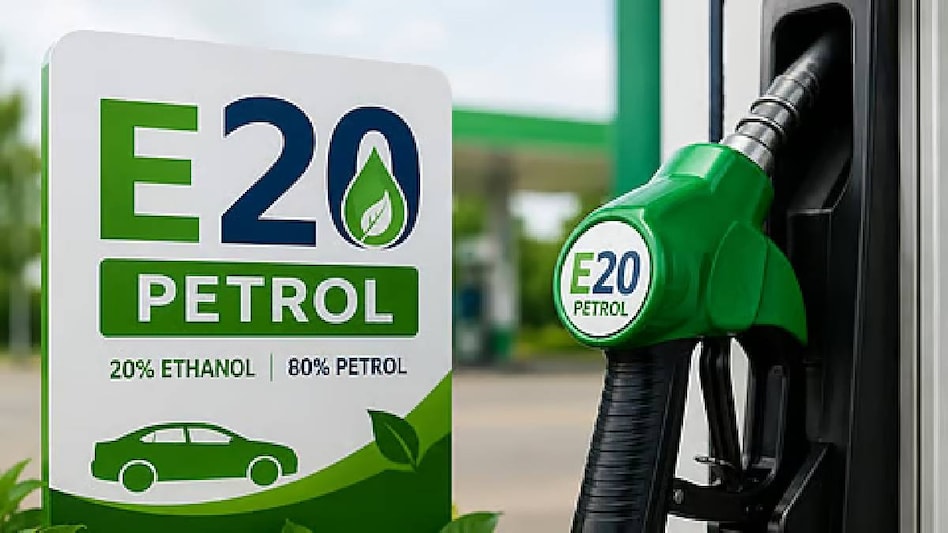
 Except Brazil and India, no major nation in the world has a mandate for ethanol blending of 20% and above.
India’s ambitious ethanol blending programme has clocked several milestones in recent years. The percentage of ethanol in petrol increased from 1.53% during the Ethanol Supply Year (November to October) 2013-14 to 5% in 2019-20. This 5% baseline ethanol blend in petrol trebled over the next six years as India achieved the 20% target in July 2025, five years ahead of the 2030 deadline.
E20, a fuel blend comprising 20% ethanol and 80% petrol, was made mandatory at fuel pumps across India since July 2025, barring a few pumps in mostly big cities which offer pure petrol at a much higher price.

 Capital formation, exports fuel 7.8% Q1 GDP growth
 GRT Jewellers to acquire 74.12% stake in Tribhovandas Bhimji Zaveri for Rs 1,033.71 crore
 India braves global headwinds: Q1GDP surges 7.8% as investment and services fire on all cylinders
  Kotak Bank recommends two internal candidates for CEO post: Report
 'Doomsayers were doomed, India bloomed': PM Modi as GDP growth jumps to 7.8% in Q1 FY27
 Indian Markets Outlook: Is Bear Phase Ending? Maneesh Dangi Sees Better Next 6-12 Months
 This ₹5 Lakh AI Gym Wants To Replace Your Gym
 Nepal Flood Horror: Sadhguru, Manisha Koirala Stand In Solidarity As Rescue Efforts Continue
 Nepal Flood Horror: Children Found Alive After Days Under Debris, Hope Emerges From Devastation
 India’s 6% Growth Trap: Why Manufacturing Still Struggles To Beat China
 Priority Jewels IPO subscribed 21.23 times on Day 2; check latest GMP, other key details
 Ola Electric shares jump 5%; still down 34% in a year; what's ahead?
 Sensex falls 307 points, Nifty settles below 24,100; what happened today
 Market veteran Ajay Bagga on top sectoral picks; impact of oil prices, monsoon on economy
  Nifty Bank jumps over 600 points in last five minutes; CAS in focus
 ‘I have nothing left to give’: Lionel Messi bids emotional farewell to Argentina after 20 years
 Travelling to Uzbekistan? Indians can now pay through UPI while abroad by scanning UZQR codes
 Manufacturing Majors: Maruti Suzuki driving ‘Make in India’
 Not just Divya Mittal: Her IAS husband also quit civil services in 2022
 PM Modi To Putin: “Move Away From Endless War Towards An End To War”












