


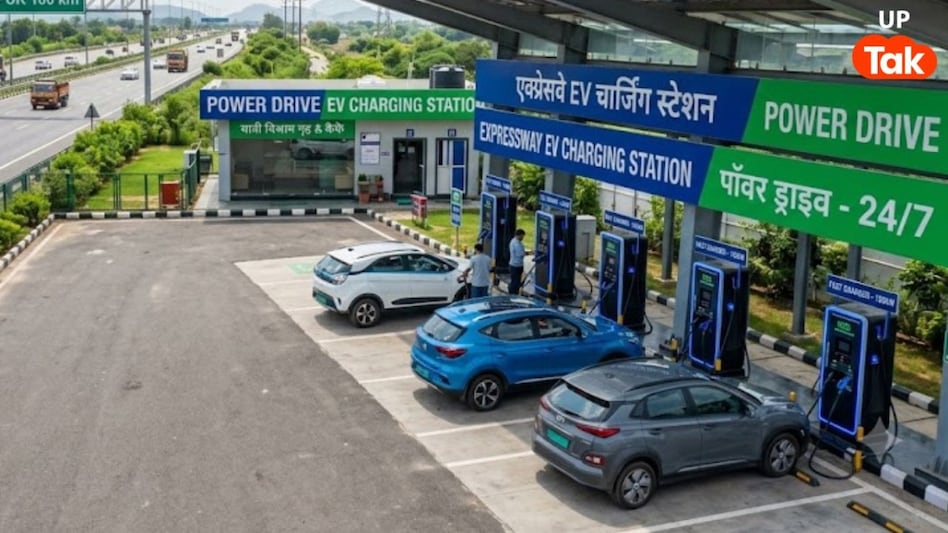
 The JPMorgan data underscores a broader shift: the race for EVs is simultaneously becoming a race for the minerals needed to power them.
The global shift towards electric vehicles (EVs) is not just transforming the automobile industry; it is also creating a surge in demand for critical minerals. JPMorgan data shows that EVs require significantly more mineral content than conventional cars, potentially reshaping commodity markets and investment opportunities.
Far more minerals

 ₹10 lakh crore liquidity surplus: Why FCNR-B inflows could push bank funding costs lower, says Jefferies
 7.8% GDP row: ‘Need to compare apples to apples, not apples to oranges,’ says MoSPI Secretary
 IPO boom is structural, mega IPOs to test liquidity; valuation key, says Pantomath’s Mahavir Lunawat
  Green light: Tata Motors's €3.8-billion Iveco takeover gets Italian regulator's nod
 IFCI shares jump 12%, hit 52-week high for third session as NSE IPO buzz intensifies
 Pakistan’s Mohsin Naqvi: The Civilian Power Broker Linked To Asim Munir’s Rise
 Olectra Greentech’s 8,500+ Bus Order Book; Why Electric Trucks Could Be Its Next Growth Engine
 Scuba Diving, Skiing & Trekking: Does Travel Insurance Cover Adventure Sports Accidents?
 Mutual Fund Trends: Where Is Investor Money Moving Beyond Flexi-Cap And Large-Cap Funds?
 Travel Insurance Explained: What Does It Cover And Why Do You Really Need It Abroad?
 KEC International: At 52-week low, Geojit expects more downside in infra stock
 NSE IPO update: SEBI approval likely next week; Check expected dates of price band and listing
 Tata Technologies stock: Goldman Sachs sees 32% downside, gives Sell call
  SAIL gets credit rating upgrade; stock reaction and what led to the upgradeIPO boom is structural, mega IPOs to test liquidity; valuation key, says Pantomath’s Mahavir Lunawat Pakistan’s Mohsin Naqvi: The Civilian Power Broker Linked To Asim Munir’s Rise
 Kia launches Sorento at ₹29.49 lakh; targets 30% EV, hybrid sales by 2030
 India resumes employment visas for Canadians: Check eligibility & rulesKEC International: At 52-week low, Geojit expects more downside in infra stock
 Maharashtra FDA crackdown: PepsiCo, Nestlé food products seized over alleged expiry date, label fraud












