

 Notably, the small commercial vehicle segment, which witnessed its peak in FY19, has been struggling for revival due to a decline in rural demand.
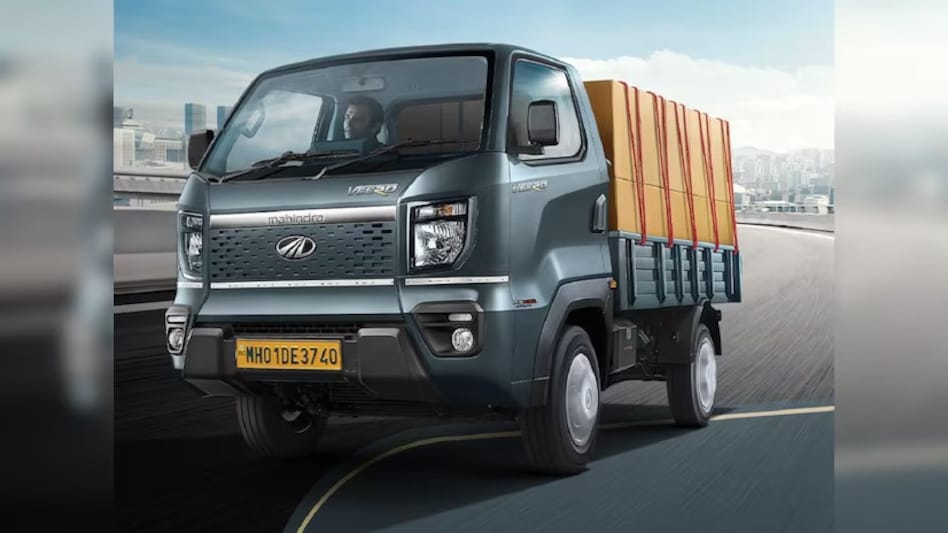
Automobile major Mahindra & Mahindra on Monday launched the new multi-energy commercial vehicle platform--Urban Prosper Platform--for its light commercial vehicles. The multi-energy CV platform will manufacture diesel, CNG and electric LCVs. Through the platform, the company has rolled out its first LCV—Veero—in the 2-3.5 tonne category with diesel and CNG variant.
The company has made an investment of Rs 900 crore in the platform, Veejay Nakra, President-Automotive Division, Mahindra & Mahindra Ltd, told Business Today. "The total investment has been Rs 900 crores. As we will add the remaining variants and electric, they are only incremental over the Rs 900 crores," said Nakra.
 BSE to replace Wipro in Nifty 50 index from September 30: All you need to know
  Meta, MeitY get NHRC notice over anti-Modi political content featuring children on Instagram
 Small savings rates for Q3 FY27: Will the government hike interest rates for the October-December quarter?
 ‘Standoff doesn’t help, third parties will take advantage’: Jaishankar on India-China ties
 BT BIG STORY: Why crypto is still thriving among Indian investors
 U.S. Tariff Relief For Indian Pharma: Select Specialty Drugs Get Zero Tariff
 OpenAI Pauses AI Model Training After Agents Behave Unexpectedly On U.S. Government Websites
 Tata Trusts Strike Back: Propose Tata Sons Rejig To Keep Conglomerate Unlisted
 Why Was The Veeramani POCSO Case Closed? 4-Page Police Report Raises Questions
 ‘Are Women Safe In Delhi?’ Supreme Court Steps In After Spate Of Rape Cases
 BSE to replace Wipro in Nifty 50 index from September 30: All you need to know
  Dividend stocks: These 10 counters offer up to 9.7% yield; PTC India, Coal India, REC among top names
 Anthropic IPO: $42 billion loss, $2 trillion valuation? Prospectus highlights risks
 Nifty trading below 23,000 mark for second day; more correction likely?
 ESDS Software stock extends fall; multibagger hits 5% lower circuit againU.S. Tariff Relief For Indian Pharma: Select Specialty Drugs Get Zero TariffOpenAI Pauses AI Model Training After Agents Behave Unexpectedly On U.S. Government WebsitesSmall savings rates for Q3 FY27: Will the government hike interest rates for the October-December quarter?Tata Trusts Strike Back: Propose Tata Sons Rejig To Keep Conglomerate UnlistedMeta, MeitY get NHRC notice over anti-Modi political content featuring children on Instagram












