












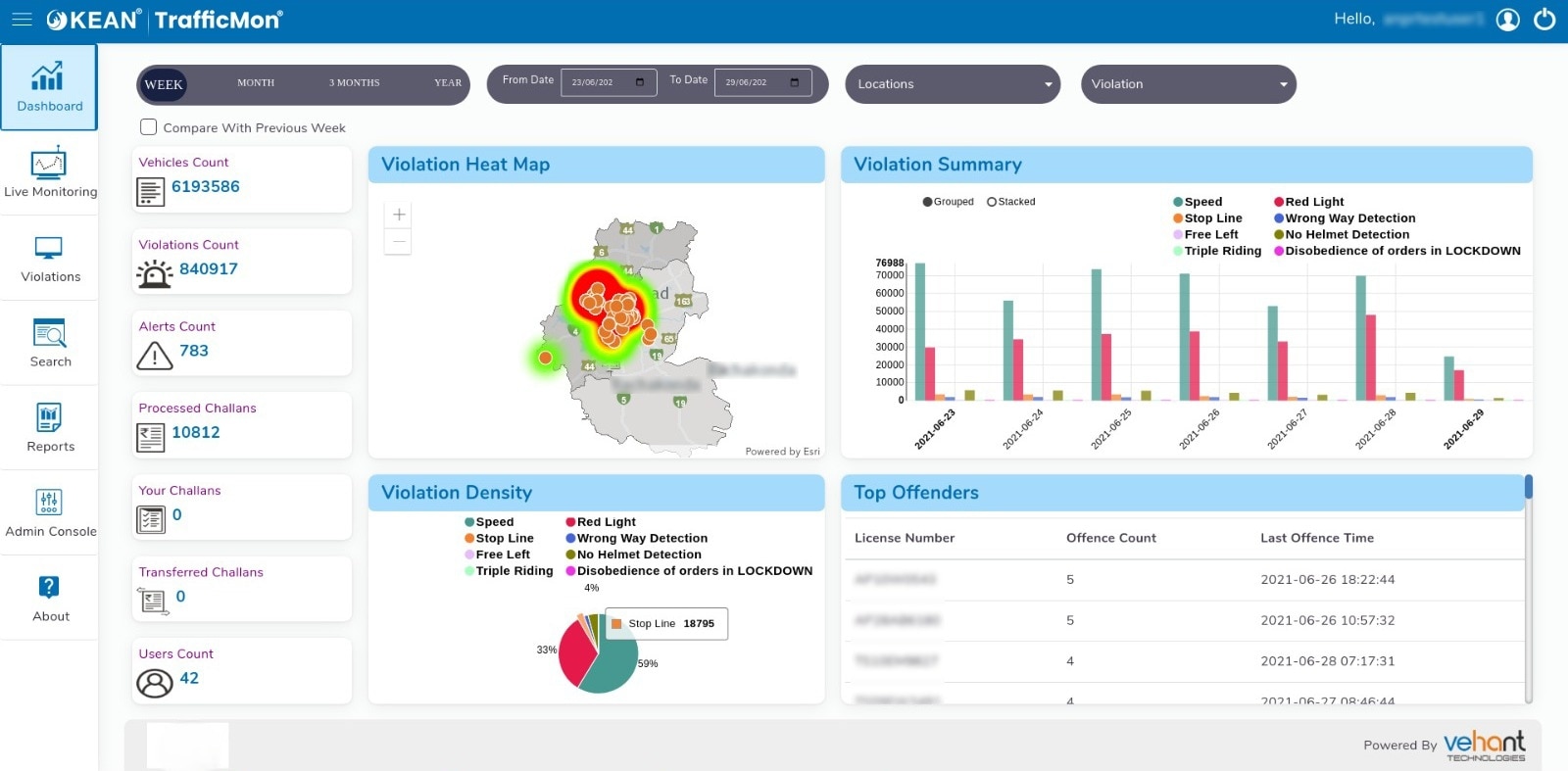



 Common traffic violations attracting fines include overspeeding, helmetless riding, triple riding, red-light jumping, seat belt violations, mobile use, stop-line breaches, and wrong-lane driving.
In 2024, Indian authorities issued more than 8 crore traffic challans, amounting to nearly Rs 12,000 crore in fines. Delhi alone has become a hotspot for enforcement, where traffic police issue over 5,000 e-challans daily for violations such as overspeeding, red-light jumping near Connaught Place, illegal parking outside AIIMS, and helmetless riding in areas like Rohini and Shalimar Bagh. Similarly, in Gurugram, over 4,500 challans were issued every day in 2023, with annual collections crossing 10 lakh fines. The figures highlight the scale of violations and the growing reliance on technology to monitor and discipline road users.
This surge has raised pertinent questions for commuters: Which violations attract the steepest fines? How does the e-challan system function? And how is it different from the traditional practice of manual challans?

 RBI's forex swap facility draws massive $127 billion through FCNR(B) deposits
 'No mechanical boost to GDP numbers': MoSPI's detailed clarification on 7.8% growth
 The GDP conundrum: Economists split over India's faster-than-expected 7.8% GDP growth rate
 Subhash Chandra insolvency case: 'I've been vilified across country over ₹6.5 crore repayment plan,' says media baron
 Mukesh Ambani's ₹10 power play: From Campa Cola to ice cream, why Reliance is betting big on India’s middle class
 U.S. May Tighten Child Passport Checks Under Trump, Indians And Birth Tourism Families Face Scrutiny
 Market Commentary | Deven Choksey On Buying Opportunities & Market Trends
 “India Is Certainly Not In Crisis”: Arvind Panagariya On Growth, Investment And Reforms
 Daily Calls: Ask Your STOCK MARKET TODAY QUERIES | Market Update | Share Market News Today
 What’s Hot: Stocks, Gold & Big Money Moves | Daily Markets Show | September 02 | Business Today
 RIL-backed Alok Industries shares hit fresh 52-week low, end slightly higher
 Milky Mist shares surge 10% after Q1 results; brokerage sees more upside potential
 Hero MotoCorp, Eicher Motors shares slide up to 5%; analyst flags key support levels
 Man Infraconstruction shares fall; Rs 169 crore buyback approval in focus
 Brigade Enterprises shares: Analyst on when to exit the real estate counter
  'Sugar availability is more than sufficient': Industry dismisses shortage fears ahead of festive season
 All data sources in public domain, several sub sectors performed better than expected, says MOSPI Secretary on 7.8% GDP growth
 Uber cuts 3,300 jobs: CEO Dara Khosrowshahi reveals reason behind massive layoffsRBI's forex swap facility draws massive $127 billion through FCNR(B) deposits
 ₹90 crore for 15 episodes? What reports claim about Ajay Devgn’s Crime Patrol hosting fee


