


 July 31 deadline for filing Income Tax Returns
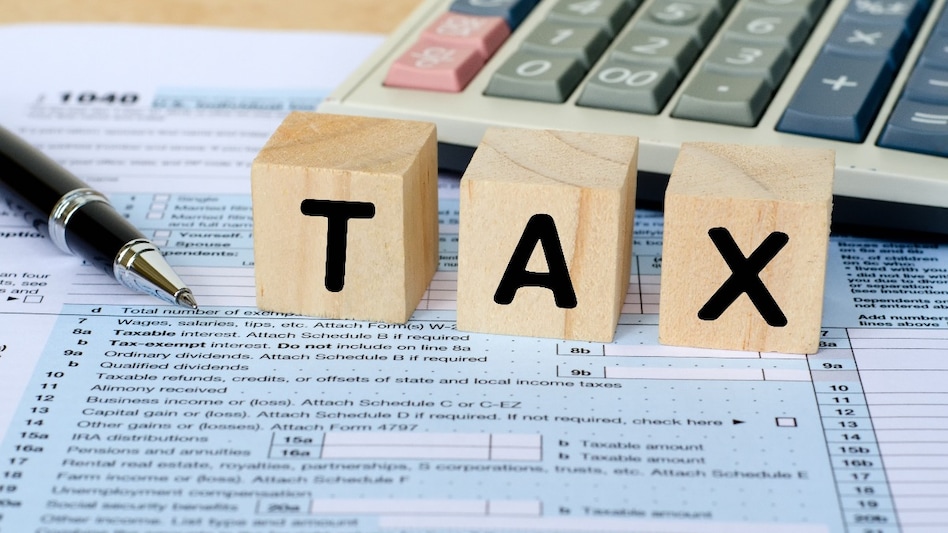
With the July 31 deadline for filing Income Tax Returns (ITRs) fast approaching, a new question on the Income Tax Department's e-filing portal, "Reason for filing Income Tax Return", has emerged as an unexpected source of confusion for taxpayers.
The field has become one of the most searched tax-related queries this filing season, with many fearing that selecting the wrong option could invite scrutiny or delay refunds, according to a report by Upstox.

 Stock market holiday: Will NSE, BSE remain closed for Raksha Bandhan?
 I4C warns CFOs, finance teams of WhatsApp ‘Boss Scam’ using fake RBI, MCA files
 Xi Jinping likely to visit India after 7 years for BRICS summit, may bring 400-member delegation
 RBI’s ₹1,000-crore NBFC threshold: Which finance companies can now escape registration?
 741 banks on UPI: How India built the world’s biggest real-time payments ecosystem
 Actress Taapsee Pannu Reveals Why Gandhari Is Her Most Emotional Action Film Yet
 Meta Sued for Deliberate Addiction? Alienware 16 RTX 5080 Laptop & Invisible AI Fingerprints | Tech Today
 Sugar Prices Soar: Why Ethanol Diversion Is Not To Blame | What’s Really Driving The Spike?
 Aviation Stocks: Why Air Freight May Be A Better Bet Than Airlines & Airports
 Upasana Taku On Women In Entrepreneurship, Fintech Growth And Building Resilient Businesses
 Vodafone Idea, Paradeep Phosphates, Hindustan Copper shares: What expert says
 Defence stock to buy for 20% upside, a play on defence electronics upcycle
 Federal Bank shares fall 4% after Jana SFB deal report; what lender says
  Hindustan Copper OFS: Stock falls 7%; analyst sees buying opportunity, sees strong upside coming
 Symbiotec Pharmalab IPO: Anil Satwani on ‘Symbiotec 2.0’, new growth engines; promoter, PE exit & more
 Bitcoin price today: BTC crosses $80,000 for first time since May, rises 25% in week; what's driving it
 Apple iPhone launch event date: When iPhone 18 Pro and iPhone Ultra will debut?
 Ranjit Bajaj's leadership lessons: How Minerva Academy founder built a winning mindset that stunned LiverpoolVodafone Idea, Paradeep Phosphates, Hindustan Copper shares: What expert says
 Planning a Bali trip? IRCTC offers 6-day package from Kolkata starting at ₹61,500, Check details here












