


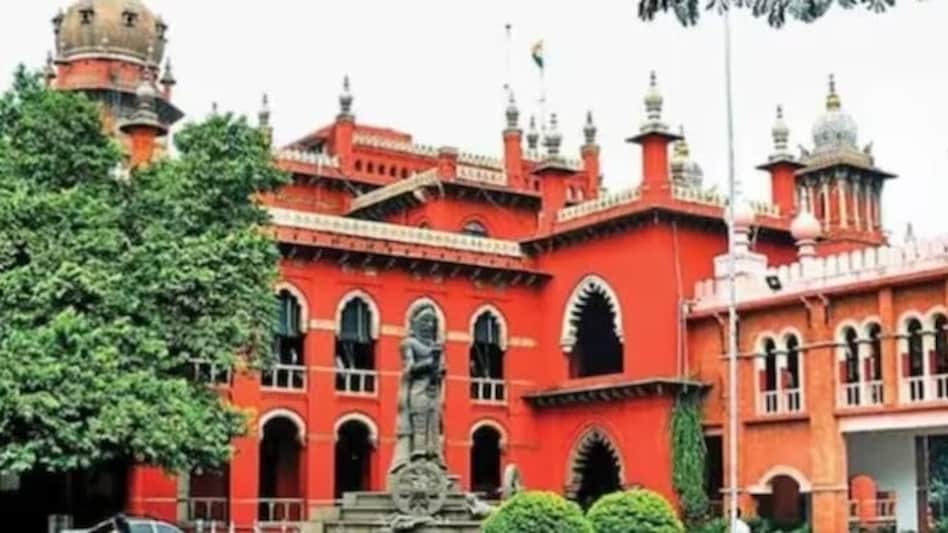
 The HC clarified that the date of birth of a Hindu woman does not determine her eligibility for coparcenary rights
The Madras High Court has ruled that Hindu daughters who died before September 9, 2005 - the date on which the Hindu Succession (Amendment) Act, 2005 came into force - are not entitled to equal coparcenary rights in ancestral property, The Hindu reported on Tuesday. Consequently, their legal heirs cannot claim such rights through them.
A division bench of Justices N Sathish Kumar and M Jothiraman held that while a daughter's date of birth is irrelevant for acquiring coparcenary rights, she must have been alive on September 9, 2005 to avail the benefit of the amendment that granted daughters equal rights in ancestral property.

 90% EVs exported out of India are from Maruti Suzuki: MD & CEO Hisashi Takeuchi
 India's $30 trillion goal needs 8-10% growth, $400 billion more annual investment: Jayant Sinha
 1.1 billion barrels gone: IMF warns that global oil market is running out of safety cushions
 From Devbhoomi to industrial destination: Uttarakhand’s manufacturing moment
 India’s deep-tech startups face a new test: Crossing the valley of death
 #IndiaAt100 : CM Pushkar Singh Dhami On Uttarakhand’s Industrial Growth & India’s Next Leap
 #IndiaAt100 : Dr. Pawan Goenka On India’s SpaceTech Lift-Off And The Race To 2047
 #IndiaAt100 : P Chidambaram On India’s Growth Dilemma | What Could Hold Back $30 Trillion Dream?
 #IndiaAt100 | India’s Coolest Start-Ups: Meet The Innovators Building Tomorrow
 #IndiaAt100 | The Labour Code For Manufacturing: What Changes For Jobs & Industry?
 Cupid, NTPC Green, NTPC, Raymond Realty, HAL shares: Key technical levels to watch
 Defence stock with Rs 2,654-crore order book hits record high; here's why
  GACM Technologies: FII holding jumps to 29%; penny stock in focus
 Puravankara shares rise 5% on fresh order win
  20 high-conviction ideas for up to 95% upside | stocks to buy
  Rising demand, Make in India focus driving manufacturing growth in India, but speed bumps need to be addressed, say expertsFrom Devbhoomi to industrial destination: Uttarakhand’s manufacturing moment90% EVs exported out of India are from Maruti Suzuki: MD & CEO Hisashi Takeuchi
 India set to become Hyundai’s No. 2 market ahead of FY30: Tarun GargIndia’s deep-tech startups face a new test: Crossing the valley of death












