

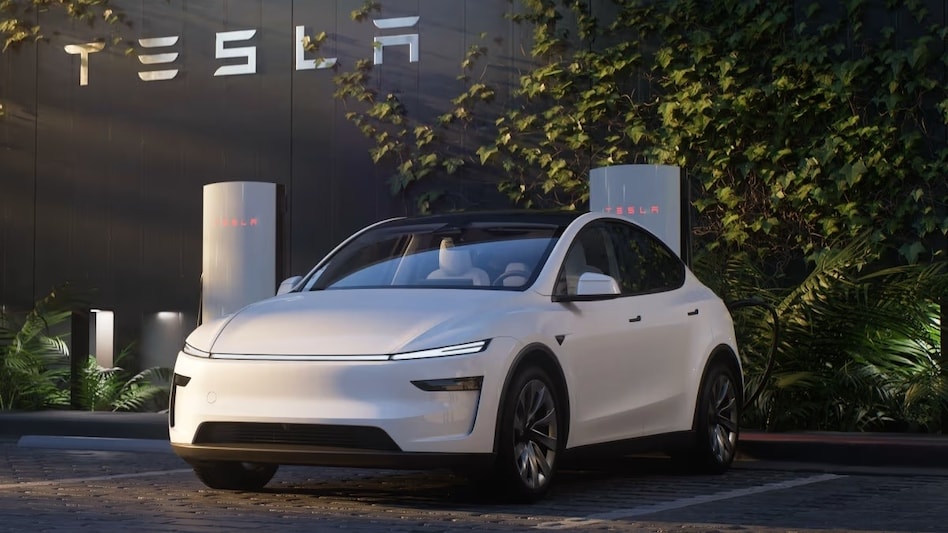
 One of the biggest challenges for Tesla would be in terms of price points and uncertainties around the India-US free trade agreement.
 For India, Tesla’s entry marks a new chapter in the country’s electrification journey. Tesla launched its first experience centre in Mumbai’s Bandra Kurla Complex (BKC) on Tuesday, in the presence of Maharashtra Chief Minister Devendra Fadnavis. The company has launched its most popular model, Model Y (RWD), in India at a starting price of Rs 60 lakh. The price is, however, higher as compared to other markets such as the US (Rs 40 lakh), China (Rs 31.57 lakh) and Germany (Rs 46.57 lakh), owing to 70% import tariffs by India. With this pricing, Tesla will lock heads with Kia EV6, BYD Sealion, Hyundai Ioniq 5, BMW iX1 and Mercedes-Benz EQA.
Despite multiple negotiations, Tesla’s entry into India’s EV market remains unconventional, choosing to import CBUs from China rather than setting up a local manufacturing unit, as required by the government.
 US-Iran breakthrough this week? $6 billion frozen funds, secret nuclear inspection in new peace proposal
 'We are very, very close': Rubio says India-US trade deal nearly done, leaders may sign soon
 Qualcomm to cut jobs globally from November: 'Performance-focused reduction'
 Can Reliance help bring Venezuelan oil back to market? Rubio says talks scheduled for Wednesday
 Sapiens author warns: 'AI's biggest danger isn't killer robots but collective dementia'
 Starlink Vs India: Is Elon Musk Being Blocked? | Tech Today
 RBI Measures Boost Rupee | Is Further Depreciation Unlikely?
 More RBI Rate Hikes Ahead? PPFAS Mutual Fund CIO Shares His Outlook
 Retirement Planning: How a ₹10,000 Monthly SIP Can Grow to ₹1 Crore in 20 Years
 Volkswagen On CNG Cars, JSW Partnership And India's Auto Market Outlook
 Sona BLW, Solar Industries, Oracle, Aurobindo Pharma, CG Power: Midcap performers of 2026, price targets and more
  Jio Platforms IPO: From 14th spot to telecom leader, how Jio transformed India’s digital landscape
 Tonbo vs Bonfiglioli vs Zetwerk vs Sahajanand IPO: Which issue offers best allotment odds; fresh GMP
  ‘It’s crazy that even in 2026…’: Nithin Kamath in disbelief over WhatsApp-driven stock manipulation
 Jio IPO: Overseas expansion to unlock new revenue streams through telecom technology
 'We may disagree, but our alignment on core issues is extraordinary': Rubio on India-US ties'We are very, very close': Rubio says India-US trade deal nearly done, leaders may sign soonUS-Iran breakthrough this week? $6 billion frozen funds, secret nuclear inspection in new peace proposal
 Deepika Padukone, Ranveer Singh name second daughter 'Devi'; shares first family photoQualcomm to cut jobs globally from November: 'Performance-focused reduction'












