

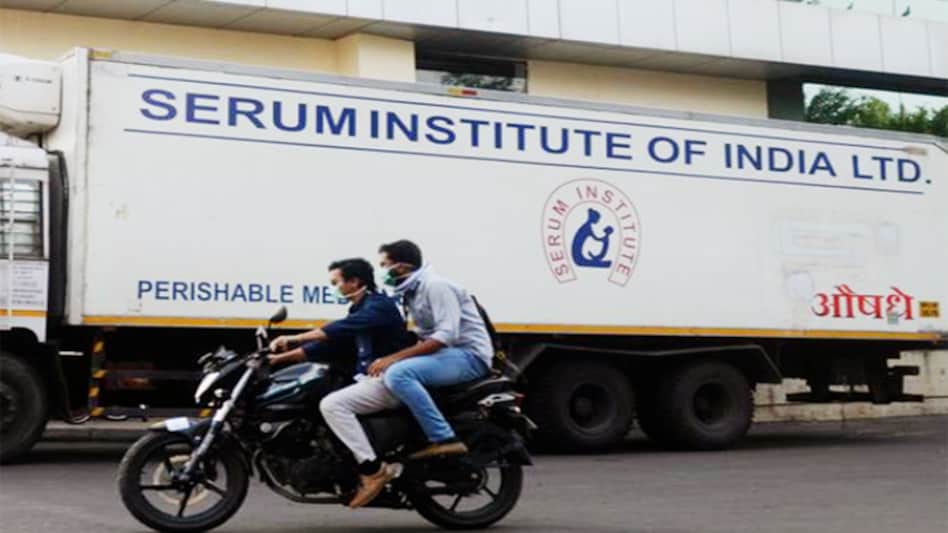
 SII had started Phase 2/3 trials comprising 1,600 volunteers in India on August 22
Vaccine major Serum Institute of India (SII) will require clearance from the Data and Safety Monitoring Board (DSMB) in the UK and DSMB India before resuming recruitment for conducting COVID-19 trials for the Oxford-AstraZeneca coronavirus vaccine in India, an order issued by the Drugs Controller General (India) and the Central Licensing Authority said.
DCGI Dr VG Somani also ordered the Serum Institute to suspend any new recruitment in Phase 2 and 3 clinical trials until further notice. The direction came after SII submitted to the DCGI it paused trials after its show-cause notice and that it's reviewing the overall situation. The SII had started Phase 2/3 trials after recruitment of 1,600 volunteers across 17 centres, each with about 100 volunteers, in India. In its notice, the DCGI had asked the SII as to why the clinical COVID-19 vaccine trials for Oxford-AstraZeneca coronavirus vaccine were not stopped even after patient safety concerns surfaced.
 ₹8,862 crore in tolls! This state emerged as India's biggest highway toll revenue generator
 Could India witness a Korea-style market meltdown? Nithin Kamath explains the biggest risk
 How Indian investment overseas is gathering momentum
 Indian-origin CEO Shailesh Jejurikar appointed Chairman of P&G Board
 To stay ahead, Indian manufacturers are embracing AI
 LIVE Daily Calls: Ask Your STOCK MARKET TODAY QUERIES | Market Update LIVE | Share Market News Today
 Why Are Markets Rallying? Ajay Bagga Explains | Fed, Oil Prices & FII Flows
 Strong Q1 Helps Paradeep Phos Clock 17.3 Cr Shares In Trade
 Mumbai Elite Clubs Face FDA Action | Food Licences Suspended Over Hygiene Violations
 10 Tax Jargons Every First-Time Taxpayer Must Know | Tax Guide | Personal Finance | Money Today
 Could India witness a Korea-style market meltdown? Nithin Kamath explains the biggest risk
 Dabur India Q1 results: Profit up 15% at Rs 591 crore YoY; revenue climbs 11%
 FIIs could return to market in six months, says Ajay Bagga
  Sensex, Nifty climb over 1% each; investors add Rs 4 lakh crore in wealth
 Banks, IT, defence, power stocks likely to lead FY27 earnings upgrades, says Ajay Bagga
 'A Marxist teacher made me an atheist': Zoho's Sridhar Vembu on why children turn Left
 Semicon 2.0, space, hydrogen trains: How manufacturing push is gaining pace, shows July's economic review
 Centre says surplus FCI rice diverted for ethanol only after meeting food security needs
 India's NH toll network expands 65% in five years; Rajasthan leads₹8,862 crore in tolls! This state emerged as India's biggest highway toll revenue generator










