

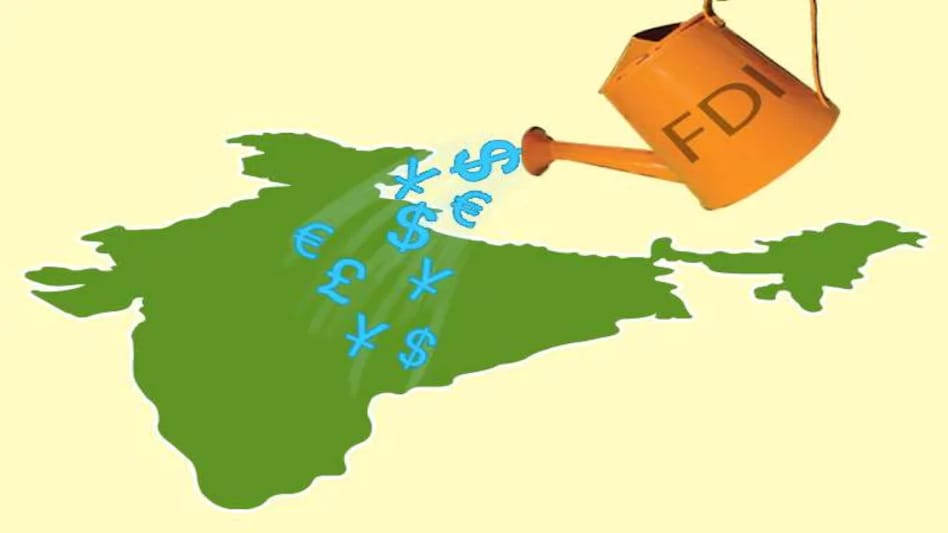
 The Modi government on Wednesday relaxed foreign direct investment (FDI) norms for foreign single-brand retailers
Following the government's decision to relax the FDI norms for single brand retail, as many as 40 different global retailers may be lining up to enter the country in the next two years. As ASSOCHAM Senior Vice President Niranjan Hiranandani pointed out on Thursday, the norms have been made flexible, enabling major single brand retailers to integrate their Indian operations with their global supply chain. "With the US-China trade war remaining unabated, India could be the best possible alternative for the global firms offering them operational efficiency and scale," he added.
Sources in the know told the Business Standard that a number of UK-based companies in the bath and body space, Japanese apparel and athleisure brands, electronics companies from Indonesia, and a French outdoors brand are all planning to start online operations in India over the next 12-18 months. In addition, premium cosmetic labels from South Korea and a few of the biggest US-based lingerie brands may also be eyeing an entry.
 Noel Tata raises key Tata Sons listing concern: What if a group company gets into trouble?
 Shaktikanta Das flags need to cut India's oil import dependence, cites Rs 84,000-crore offshore push
 A prolonged West Asia conflict will increase risks to corporate earnings, says Nomura's Saion Mukherjee
  No social media for under 18s? Centre mulls new safeguards after SC raises concern
 Reliance, Nayara restrict fuel sales as crude hits $107 and retail prices stay frozen: Report
 SEMICON India 2026: Global Chip Giants Announce Major India Investment Plans
 Ep17: How Mira Kapoor Is Building India’s Luxury Wellness Brand | Building A $4 Mn Wellness Business
 PROMO | 27 Years Of BT Golf | BT Golf 2026-27 Tees Off On 19 October 2026
 Supreme Court Questions High Medicine Prices At Corporate Hospitals | Essential Drugs Pricing
 India Seeks Alternate Air Routes Via China, Bhutan To Cut Airline Costs | Pakistan Airspace Ban
 Nilesh Shah on FOMO: Why investors should stop chasing ‘once-in-a-lifetime’ opportunities
 Indian rupee hits two-month low, ends nearly flat below 96 per US dollar
 Stock picks during correction: Coal India, Sona BLW, Blue Star form part of defensive watchlist, says analyst
 Helios Capital on why falling gold prices are not a trigger for renewed interest in yellow metal
  Prestige Estates stock outlook: Motilal Oswal sees 29% upside on strong launches, check target price
 Nearly 1.9 lakh cancer cases in India associated with infections: What Lancet study found
 Real estate vs equities, REITs and mutual funds: Can real estate find a place in Gen Z’s wealth creation strategy?
 Financial Horoscope Today, September 30, 2026: Cancer Signs Will Achieve Desired Success, Know the Status of All Signs
 China cut bancassurance commissions 30%: Could India see a similar insurance reset?
 NEET UG 2026: Father drove an auto in Mumbai, son scores 627 and gets KGMU MBBS seat












