









 India needs at least 18 conventional submarines, six SSNs and four SSBNs for effective deterrence.
 India needs at least 18 conventional submarines, six SSNs and four SSBNs for effective deterrence.
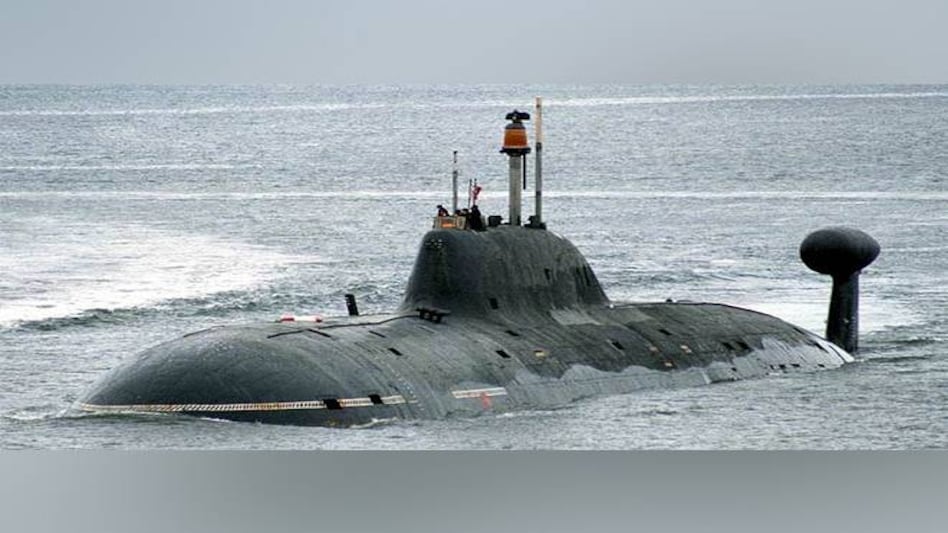
In 2012, the induction of INS Chakra, a Russian-built Akula class attack submarine (SSN), had propelled India into a tiny club - we became the world's sixth country to operate a nuclear-powered submarine. The over 8,000-tonne steel shark, which had been taken on a 10-year lease from Russia in 2011, was at the time the single biggest force-multiplier India acquired to counter the entry of the Chinese navy into the Indian Ocean. And the country will soon bag a bigger, better avatar of this lethal submarine.
Yesterday, India and Russia inked yet another mega defence deal worth over $3 billion for leasing another Akula-class SSN from Russia to replace the INS Chakra, which is nearing the end of its lease, The Times of India reported. This, incidentally, is the second time India has defied the threat of sanctions from the US under Countering America's Adversaries Through Sanctions Act (CAATSA) following the $5.4 billion contract for Russian S-400 Triumf missile systems signed in October. The Act mandates the Trump administration to punish entities engaging in significant transaction with the defence or intelligence establishment of Russia.
Defence sources told the daily that the new submarine, tentatively christened INS Chakra III, will be ready by around 2025, includes a comprehensive package for refurbishment of the nuclear boat lying mothballed at Severodvinsk, its sustenance and spares support for 10 years, as well as training and technical infrastructure for its operations. "INS Chakra's existing lease will be extended till at least 2025 through another contract till the new submarine, which will be bigger and more advanced than it, becomes operational," explained a source.
Late last year, a naval delegation visited Russia to inspect two Akula-1 class submarines, the Bratsk and the Samara, laid up for a deep refit at the Zvezdochka shipyard in the Arctic port of Severodvinsk. As India Today previously reported, the naval delegation's visit was followed by a four-day visit to Russia by Navy Chief Admiral Lanba, where he reportedly discussed the Chakra lease. The buzz at the time suggested that the newly leased submarine will be put through an intensive 72-month deep refit and rebuild, where the nuclear reactor will be replaced and a number of indigenous systems installed on board.
So what are SSNs?
These submarines use a nuclear reactor for propulsion but are usually armed with conventional weapons like missiles and torpedoes to hunt other warships and submarines and strike at targets on land. They are not equipped with long-range nuclear missiles due to international treaties. SSNs, however, can be used for multiple tasks like hunting enemy submarines, escorting nuclear powered ballistic missile submarines (SSBNs) - like the indigenous Arihant class submarines - and aircraft carriers as well as stalking and chasing enemy aircraft carriers and their warship escorts. Furthermore, SSNs can be deployed for ISR (intelligence, surveillance, and reconnaissance) missions due to its stealthy nature and capability to stay underwater for extended periods. If SSBNs are like bombers, then SSNs are like fighter jets. All of the Indian Navy's tasks are currently performed by its single platform, the INS Chakra.
Incidentally, training personnel to man the Arihant class nuclear submarines is one of the primary roles of the INS Chakra. Three more SSBNs are being built at the ship-building center at Vizag under the secretive Rs 90,000 crore Advanced Technology Vessel (ATV) programme.
But that is not enough. India needs at least 18 conventional submarines, six SSNs and four SSBNs for effective deterrence.
Also Read: Power generation from conventional sources sees its steepest monthly fall in January
Also Read: Women's Day 2019: Female labour force participation fall from 36.7% in 2005 to 26% in 2018
 'AI isn't just..': Anand Mahindra backs Palantir CEO's theory, sees India's edge lie elsewhere
 LPG consumption falls 8% in H1 2026 as West Asia conflict disrupts supplies
 Centre expands drug licensing framework to cover gene and cell therapies
 No more outdated syllabus: Andhra's new university lets industry design courses for AI era
 Will Tata Sons stay private? RBI's latest circular raises fresh questions
 EPF Overhaul: Voluntary Contributions Above ₹1,800, New Withdrawal Rules Explained
 Raipur Demolition Row: 90+ Families Homeless For MLA Colony, Villagers Protest Amid Tears!
 Market Volatility Ahead? Fund Manager Sunil Shah Reveals His Portfolio Strategy & Top Investment Bet
 Silver Supply Crisis In India? Physical Market Premiums Rise As Imports Slow
 Kunal Shah Says, Gold May Rally Ahead After Recent Correction | Check Upside Potential
 PC Jeweller: Q1 revenue rises 21%; over 90% bank debt repaid; stock jumps nearly 13%
 Sensex, Nifty gain for second straight session; Rs 5.7 lakh crore added to investor wealth in two days
 Bought these stocks? Here's how a ₹144 crore pump-and-dump scam fooled retail investors
 This newly listed Vedanta demerged stock has rallied over 100% since its market debut; do you own it?
 Zepto IPO soon! Anand Rathi flags profitability risks despite growth potential, check unlisted share price