


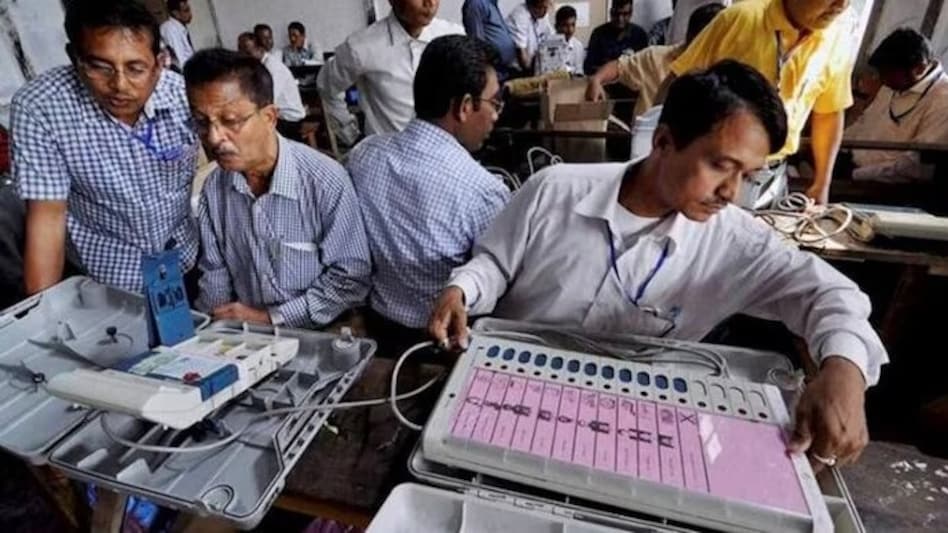
 Votes are counted at authorised counting centres set up by the Election Commission. These are often government colleges, schools, warehouses, or large halls with multiple counting tables.
 The coal fuel cell fits into a broader Chinese strategy: reduce emissions without abandoning domestic coal reserves overnight. How Votes Are Counted in India: Inside the Massive Exercise That Decides Election Results
Every election in India — from Lok Sabha polls to Assembly elections — ends with one of the country’s largest administrative exercises: counting millions of votes cast across thousands of polling stations. Managed by the Election Commission of India, the counting process is designed to ensure transparency, accuracy, and security before final results are declared.

 Tata Trusts propose merger of two Tata units with Tata Sons to avoid listing
 Essar Group's Mesabi Metallics plans $15 billion US steel mill, Trump to unveil the project
 Air India CEO-designate Tewolde lays out 5 priorities, puts safety and reliability first
 Nifty set for worst returns in 15 years, analysts weigh in
  India's industrial output hits 8% growth in August, manufacturing up 9%
 Crude Oil Next Big Commodity Bet? | Strait Of Hormuz Crisis | Commodity Outlook
 Nifty Falls: 22,500-22,300 Next? Expert Warns Against Bottom Fishing Amid Sharp Sell-Off
 Meta Muse AI & Smart Glasses, iPhone 18 Pro Max In-Depth Review & Easy iOS Data Transfer | Tech Today
 Silver Slips Below 200 DMA: Why This Crash Is A Golden Buying Opportunity | Navneet Damani
 Gold Falls $1,500 From Peak: Smart Accumulation Or Risky Bet? | Anuj Gupta
 BSE stock may test Rs 3,000 mark, says analyst; stays positive for long term
  Why HDFC Bank, TVS Motor shares are top picks amid ongoing correction
  Tata Steel shares lag peers over three months; is European business weakness priced in?Nifty set for worst returns in 15 years, analysts weigh in
  YES Bank, BOI, BoM, Union Bank, PNB, RBL Bank: Why bank stocks fell today
 Meet Navya Tuteja: Her school blocked ChatGPT, but this 17-year-old built an AI startup to help neurodivergent people find the right jobs
 NFO Alert: HDFC launches REITs fund; ICICI Prudential bets on contra investing
 India’s weak trade with neighbours is a structural economic disadvantage, says expert
 Adani Group firms settle SEBI case for Rs 1.48 crore over alleged MPS violations
 FASTag annual pass crosses 1 crore mark, over 1,150 toll plazas covered












