


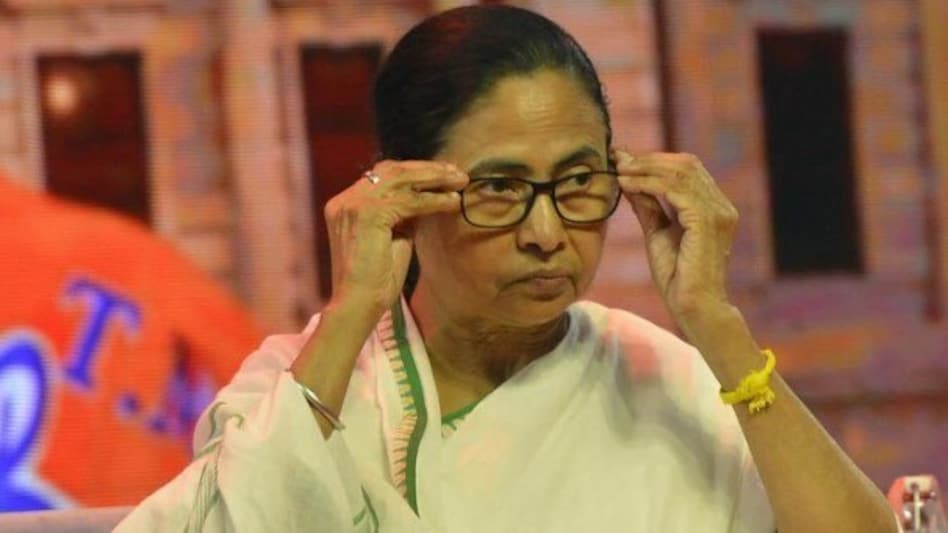
 West Bengal Elections 2026: Mamata Banerjee faces rising trouble in Murshidabad
West Bengal Elections 2026 | The Murshidabad belt in West Bengal has become the centre of intense political activity as the upcoming 2026 state elections approach, with the proposed Babri Masjid-style mosque in Rejinagar at the heart of the debate.
This region, traditionally a stronghold for Mamata Banerjee's Trinamool Congress (TMC), is now shaping up as the most volatile battleground in the state due to religious polarisation stirred by the mosque project.

 India-US trade deal close to being final; complex set of factors involved: Marco Rubio
 Jio Platforms IPO: Deven Choksey sees double-return potential in 4-5 years
 India believes in multilateralism but is not waiting for it: FM Nirmala Sitharaman
 HFCL Q2 earnings: Net profit rises five times, shares hit upper circuit
  BT BIG STORY: Why young global scholars are returning to teach at India's B-schools
 Tiger Shroff Firing Case: Police Beef Up Security Outside Actor’s Bandra Home | Ground Report
 Tiger Shroff Firing: Fan-Recorded Video Shows Chaos After Shots Ring Out
 Vijay's TVK Functionary Boobalan Arrested In 135 Kg Meth Seizure, DMK Targets Anti-Drug Promise
 FM Blames Easy Liquidity For FPI Exodus | When Will Foreign Investors Return To India?
 France Riots: Town Halls Torched, Luxury Stores Looted As More Than 1,000 Detained
 Zerodha launches US stock investing in beta mode: All you need to know HFCL Q2 earnings: Net profit rises five times, shares hit upper circuit Jio Platforms IPO: Deven Choksey sees double-return potential in 4-5 years
 Federal Bank shares rise 5% as NPAs hit decadal low, brokerages on price targets
  Cupid promoter Aditya Halwasiya buys stake in PC Jeweller; stock jumpsTiger Shroff Firing Case: Police Beef Up Security Outside Actor’s Bandra Home | Ground Report
 Maharashtra Deputy CM Eknath Shinde Vows To End Mumbai Gang Wars, Warns Gangsters
 Airtel Launches ₹185 Voice-Only Recharge Plans With Unlimited Calls, No Mobile DataZerodha launches US stock investing in beta mode: All you need to know
  Is AI squeezing entry-level tech jobs? Anthropic’s junior technical hiring drops from 27% to 9%












