












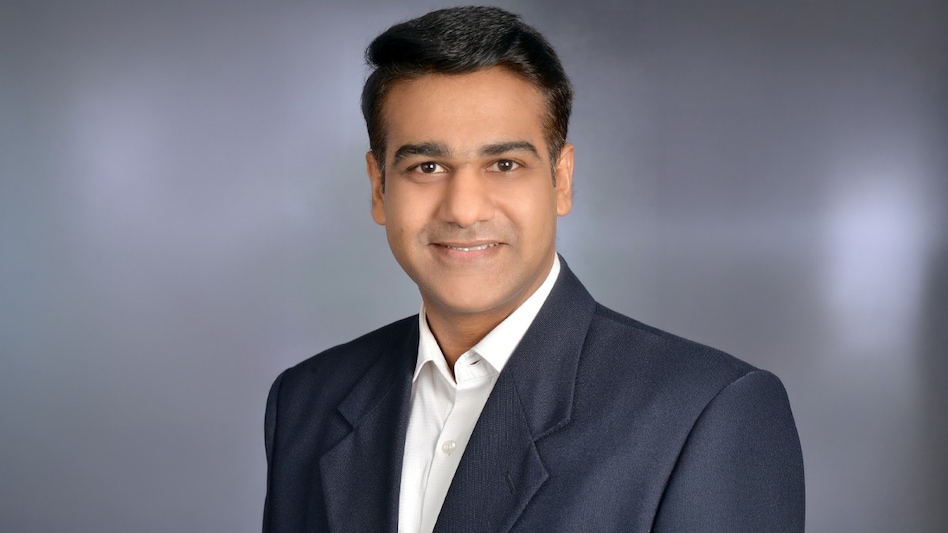
 Pavan Kumar BVS, Chief Executive Officer at Indo National LimitedPavan Kumar BVS, Chief Executive Officer at Indo National Limited
In an era where sustainability is both an environmental imperative and a strategic differentiator, Indo National Limited (INL), the manufacturer of the iconic brand, Nippo, is weaving eco-consciousness into every level of its operations - from how it manufactures products to how those products perform and are eventually disposed of. The company’s roadmap embraces clean energy, safer chemistries, waste reduction, and circularity - all aimed at creating long-term value while setting new benchmarks for the Indian consumer electricals and homecare industries.
At the company’s Tada manufacturing unit, a major portion of energy needs is now met through an in-house solar power facility - a shift that significantly reduces reliance on conventional fossil-fuel-based energy and shrinks the company’s carbon footprint.
“We believe that operational sustainability starts at the source,” says Pavan Kumar BVS, Chief Executive Officer at Indo National Limited. “Our solar-powered facility is a testament to how industrial processes can be clean and efficient, while remaining commercially viable.”
The company has also commercialized lead-free batteries - an important shift in materials science that eliminates a toxic element long associated with consumer batteries. But sustainability at Nippo doesn’t end at the point of sale. The company has rolled out its ‘Re-Spark’ initiative across India, partnering with startups and members of the informal sector - including hawkers and scrap dealers - to facilitate the responsible collection and recycling of used batteries. “Circularity is the future of consumption,” adds Pavan Kumar. “Re-Spark helps us move toward that vision by building a scalable system for responsible end-of-life battery management.”
As a natural extension of these efforts, Nippo continues to innovate with energy-efficient, high-capacity battery chemistries. Its focus on the alkaline segment supports performance-heavy devices while maintaining environmental integrity. At the same time, the company is developing eco-friendly rechargeable batteries that offer up to 800 charge cycles - a viable alternative to disposable batteries.
This focus on next-gen chemistries and responsible recycling is well-aligned with the broader market momentum. According to IMARC Group, the Indian battery recycling market is expected to grow from USD 554.4 million in 2024 to USD 1,304 million by 2033, driven by regulatory tailwinds like the Battery Waste Management Rules and rising awareness around e-waste.
The company’s consumer electricals line now includes 5-star rated BLDC fans, which consume up to 65% less energy than traditional fans. In the homecare segment, Nippo is working on a new range of herbal, chemical-free mosquito repellents that are safe for children and align with the growing consumer demand for cleaner, safer alternatives.
In fact, the company also plans to strengthen its backward integration efforts under the government’s PLI scheme - a move that will enhance its sustainability positioning in the energy space. “We see ourselves not just as product manufacturers, but as ecosystem enablers,” says Pavan Kumar. “Whether it’s through sustainable design, ethical sourcing, or responsible recycling, we want to drive industry-wide change.”
In a market where sustainability is often reduced to marketing jargon, Nippo stands out by operationalizing it – across processes, products, and partnerships. As it continues to evolve, Nippo is proving that responsible business isn’t just good ethics - it’s good economics.
 HPCL, BPCL, IOC shares continue to slide; here's why
 Pakistan said it could get a peace deal done if US did this one thing
 ‘Not just because of the war…’: Economist Kaushik Basu cautions as rupee falls to 96.25
 'Learn more about India': Govt pushes back at Dutch PM's remarks on press freedom, minorities
 Anthropic’s Mythos AI raises banking cyber risk concerns, FSB briefing planned
 Inside Job Exposed: CBI Busts NTA Experts Behind Multi-State NEET Paper Leak Racket
 Samsung Factory Shutdown Could Cost Billions | South Korea Fears Massive Economic Damage
 “Mother Of All Deals”: EU Chief Ursula von der Leyen Backs Mega India-Europe Trade Pact
 Rajinikanth Clarifies Stalin Meeting Amid Vijay Rumours | ‘Why Would I Be Jealous?’
 CNG Prices Hiked Again Amid West Asia Crisis, Delhi Rate Crosses ₹80; Nears ₹90 In Noida & Ghaziabad
 After Wipro, Bajaj Auto, these 3 companies may go for share buyback - Should you buy any?
 Tata Steel, SAIL, JSW Steel shares slip up to 4%: Check target prices post Q4 results
 NSE EGRs: Wait ends! Electronic Gold Receipts trading begins - what investors should know
 Rs 25 per litre petrol, diesel price hike to breakeven? Targets for BPCL, HPCL, IOC shares; top pickHPCL, BPCL, IOC shares continue to slide; here's why