


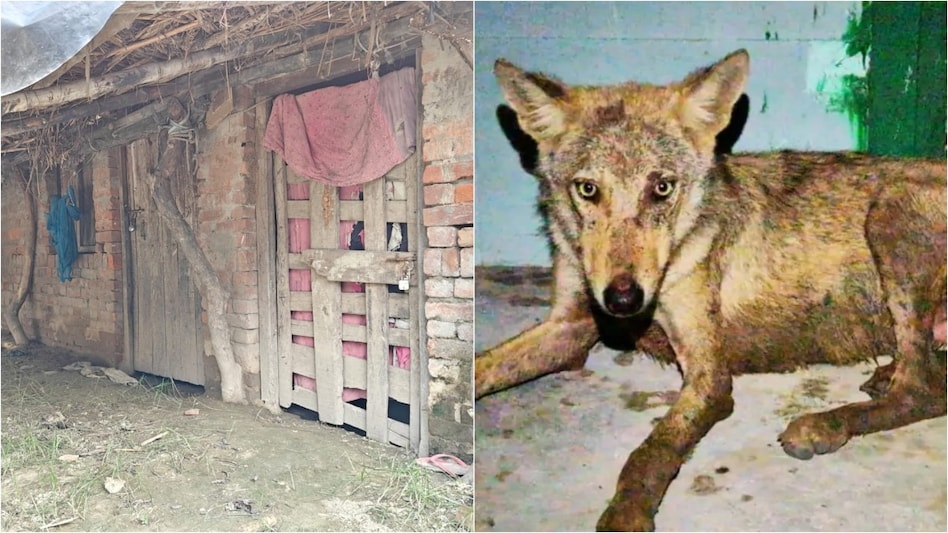
The Bahraich district has been gripped by fear following a sudden increase in wolf attacks on local residents, particularly targeting small children in their homes. Since March, a pack of wolves has been responsible for the tragic deaths of nine individuals, including eight children, and has left 20 others injured.
The most recent incident was on Monday when a five-year-old girl was injured in a wolf attack in the Mahasi Tehsil area of Bahraich district, Uttar Pradesh. According to the reports, the girl has been taken to a nearby community health center for treatment. Bahraich district is currently in a state of fear, as a series of wolf attacks has resulted in the deaths of 10 people and injuries to nearly 30 others.

 'MDR applies only to merchants, not end users': FM Sitharaman hits back at Jairam Ramesh on UPI charge
 Tata Sons listing: Inclusion in RBI’s upper layer NBFC list keeps issue wide open
 'No import of US ethanol for fuel blending': Centre trashes 'baseless' reports
 Mohan Bhagwat on reservation: 'Those who have benefited should show a big heart, voluntarily leave'
  For every ₹1 spent on PM Modi's foreign visits since 2021, India received around ₹66,000 in FDI: Govt data shows
 Can Private Developers Monetize Government Land? | Mr. Vinayak Chatterjee
 Sensex, Nifty Weather Global Storm: What's Supporting The Market?
 Biocon Posts 9% Rise In Q1 Total Income; Biopharma Revenue Up 17%
 Shiprocket IPO | CEO & CFO On Growth Strategy, E-Commerce & IPO Plans
 Market Guru | Mihir Vora Of TRUST Mutual Fund On Banks, IT & Market Outlook
 SEBI opens new business avenues for credit rating agencies beyond traditional debt ratings: Report
 Pidilite Industries Q1: MD Sudhanshu Vats decodes stellar earnings show
  Indian Bank may benefit from banking revival; ICICIDirect's Jai Thakkar sees upside
 Cummins India stock outlook: Why this earnings-led fall may not derail the rally
 Firstsource Solutions shares tank 17% as Q1 profit misses estimates Tata Sons listing: Inclusion in RBI’s upper layer NBFC list keeps issue wide open
 Nearly 80 years after Independence: Rajasthan village erupts in joy as first Roadways bus arrivesSEBI opens new business avenues for credit rating agencies beyond traditional debt ratings: Report'MDR applies only to merchants, not end users': FM Sitharaman hits back at Jairam Ramesh on UPI charge
 DOGE under scrutiny: Watchdog says it overstated savings, ethics oversight unclear under Musk










