


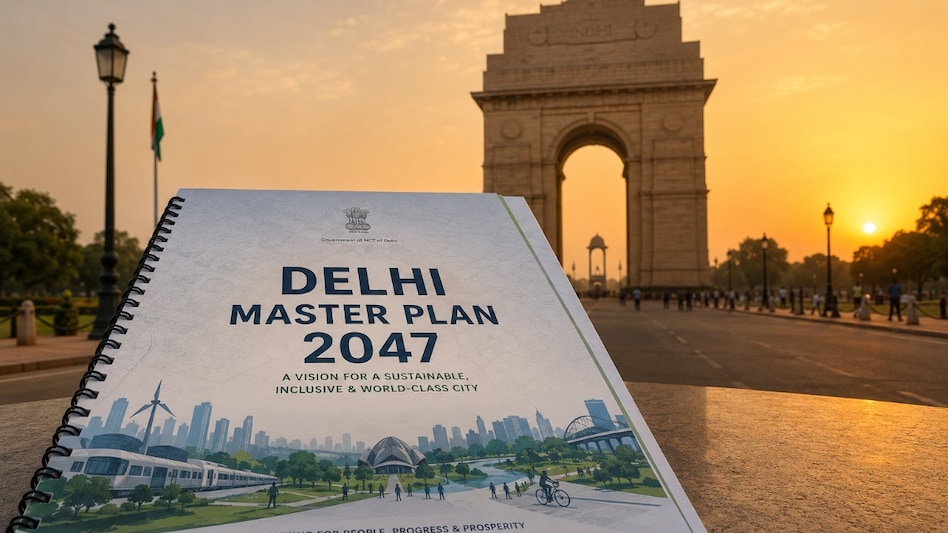
 Delhi’s proposed Master Plan for 2047
Delhi’s proposed Master Plan for 2047 has outlined an unconventional route to expand the national capital’s renewable energy capacity by using existing canals and drains for solar and hydro power generation.
The Master Plan of Delhi 2047 (MPD-2047), approved by the Delhi Development Authority (DDA) last week, has been sent to the Centre for further approval. The plan seeks to make greater use of existing infrastructure and available land to support the city’s clean-energy transition, according to news agency PTI.

 'Important step': RBI backs new UPI charges, says all transactions remain free for users
 India to face 100% tariffs? US House moves Russia Sanctions bill, final vote tomorrow
 From floor trading to free cash flow: What NSE achieved in 32 year journey — numbers tell story
 UPI MDR rules explained: Where will you pay more from October 15? Check charges and exemptions
 From ‘Not Gate’ to ‘And Gate’: How SEMICON India is building the semiconductor ecosystem, chip by chip
 Crude Oil Price Surge: Will Petrol And Diesel Prices Rise In India?
 Market Commentary: Sharad Avasthi On Nifty, Stocks & The Next Big Move
 RBI Files Caveat In Bombay HC Ahead Of Tata Sons Appeal | Tata Group Stocks | Tata Chemical Shares
 NSE IPO Explained: Price Band, Valuation, Growth Potential And Key Risks
 Stock Market Falls As Crude Oil Nears $110 & Weak Rupee | Stock Market News
 From floor trading to free cash flow: What NSE achieved in 32 year journey — numbers tell story
 UPI MDR revision from Oct 15: Mutual funds, securities, stockbrokers to attract 0.02% charge; check details
 CDSL shares slip 4%; brokerage upgrades stock to 'Buy': Check revised target
 Paytm, One Mobikwik shares: How UPI fee fears may affect sentiment in fintech players
  Sensex tumbles 778 points; Nifty briefly slips below 22,900 amid CAS volatility; what's ahead?India to face 100% tariffs? US House moves Russia Sanctions bill, final vote tomorrow
 Samsung Galaxy Tab S12 to launch in October: Check launch date, expected features, and moreFrom floor trading to free cash flow: What NSE achieved in 32 year journey — numbers tell story
 A pen worth ₹90 lakh: Its secret came from space and buyers snapped it up
 Beyond Team India: Dhoni, Sachin, Siraj among cricketers with police, defence ranks












