


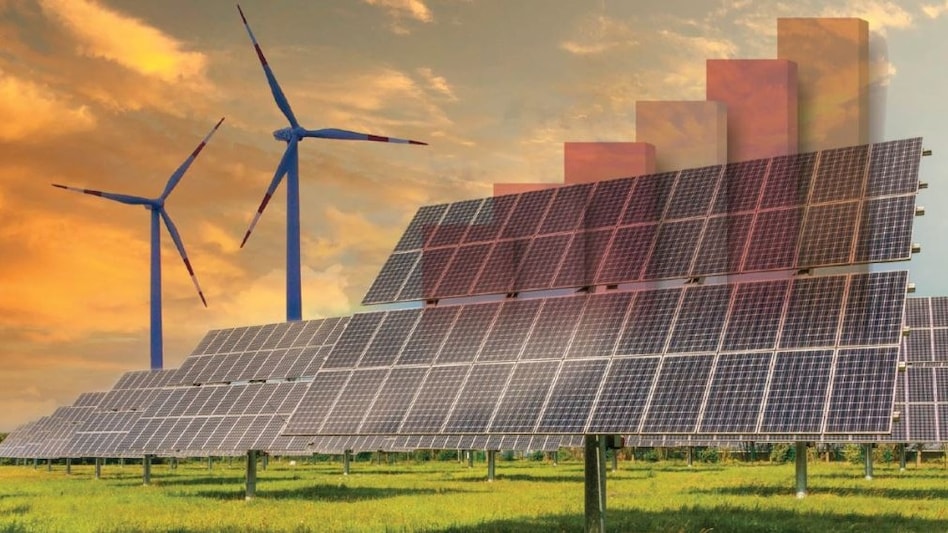
 The industry is now moving beyond module manufacturing and focusing on deeper backward integration to strengthen supply chain resilience and reduce long term dependence on imports.
The government has issued a directive for only locally manufactured solar cells to be used in domestic rooftop and commercial and industrial solar projects, in a move to reduce Chinese dependence.
The Ministry of New and Renewable Energy (MNRE) diktat says that all “net-metering” and “open access” solar projects com missioned after June 1 will have to use domestically made solar cells.

 BRICS Summit 2026: PM Modi warns against turning critical supply chains into geopolitical tools
  'Need to reflect 2026, and no longer 1945': UN endorses PM Modi’s push for UNSC overhaul in BRICS 2026
 'India to overtake US within 25 years...': US economist sees Asian century taking shape
 AI safety warning: Sam Altman, Elon Musk back Anthropic CEO’s call to slow down frontier AI. Why?
 Will the Tata companies with interest in Tata Sons be impacted on Tuesday and how?
 “BRICS Must Involve Citizens”: PM Modi On Expanding Friendship, Partnership And Cooperation
 Gen Z Wealth Creation: Why Patience, Long-Term Investing & Compounding Matter For Young Investors
 Mastercard’s Vision For India’s Digital Economy
 BRICS Summit 2026 LIVE | PM Modi Announces Integrated Early Warning System For Global Crises
 BRICS Summit 2026 LIVE | PM Modi’s Full Speech On Day 2 | Key Messages & Announcements
 Avoid jewellery; stick to ETFs, bars and coins for investment this festive season: Navneet Damani
 SEBI’s CAS proposals: Expert weighs in on new expiry-day settlement price methodology
 Large caps stocks under pressure as rising US bond yields, crude prices weigh on foreign flows
  SEBI proposes bringing unexecuted Iceberg orders into closing auction
 SEBI proposes new expiry-day settlement formula for derivatives after CAS concerns
 China will push for a 'Greater BRICS': Ex-foreign secretary decodes Delhi summit, says test will come in 2027
 Beyond captaincy: MS Dhoni holds over 1 Lakh CSK shares. Here’s what they’re worth
 Enjoying in Delhi-NCR on a ₹1,000 budget? Here’s how students can have a fun weekend
 Xi Jinping Departs Delhi After Attending BRICS Summit 2026 At Bharat Mandapam
 Aircraft wings that can change shape mid-flight? IIT Madras develops bird-inspired technology to prevent stalls












