


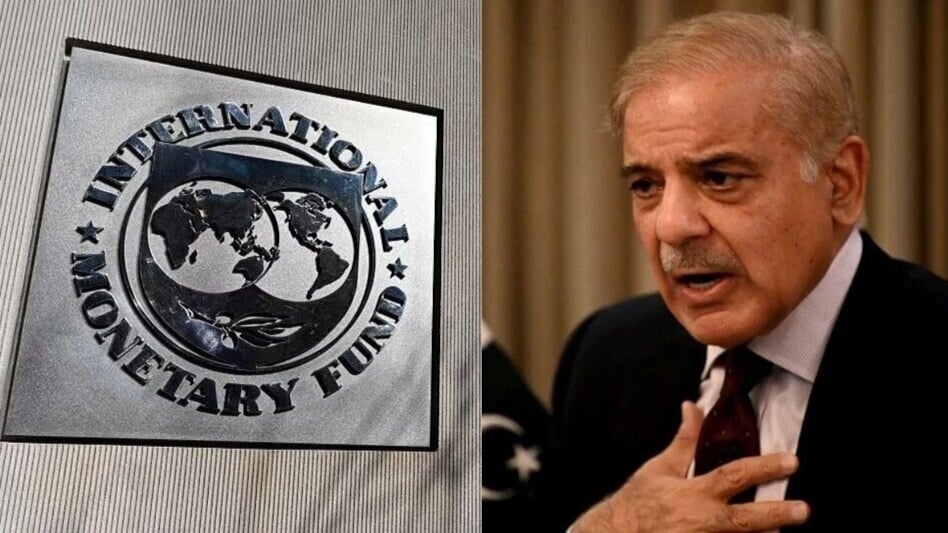
 IMF presses Islamabad to explain $11 billion gap in import data
The International Monetary Fund (IMF) has asked Pakistan to publicly disclose and reconcile $11 billion worth of discrepancies in its trade data, after finding major inconsistencies between figures reported by different government bodies over the past two fiscal years, The Express Tribune reported on Sunday.
According to the paper, the IMF's query has raised questions over the credibility of Pakistan's external sector indicators and the accuracy of data used to calculate the country's current account surplus.

 'FOMO, fixed return': SEBI proposes revamped ad code for bond portals from misleading investors
 Bangladesh-Pakistan ties: What Dhaka’s interest in Saudi-Türkiye defence pact means for India
 AI jobs rise 51% in India, but 75% of job skills could change by 2030: LinkedIn India head
 From small loans to big businesses : How rural women are changing India’s microfinance story
 RBI forex swap facility draws $72.85 billion inflows, FCNR(B) deposits account for bulk
  Rental Income Tax: 3 Key Deductions Every Senior Citizen and Property Owner Should Know
 Meta’s $200 Billion Trial: Did Instagram & Facebook Keep Kids Hooked?
 Motor Insurance Explained: Is Third-Party Car Insurance Enough? Know Before You Buy
 Retirement Tax Planning: 5 Ways Senior Citizens Can Reduce Their Tax Liability
 #IndiaAt100 : Adipen Bose Nandhiji On Conscious Capitalism- Can Profit & Purpose Coexist?
 India stocks lag global markets in 2026: BofA data shows 9.1% decline in USD terms'FOMO, fixed return': SEBI proposes revamped ad code for bond portals from misleading investors
 Crompton Greaves says no plan to sell stake, expects revenue to double by FY31
 Gaja Alternative Assets IPO: 3 ways to check application status; allotment odds, GMP, listing date
 FII sentiment shows early signs of turnaround after months of selling: Report
 No more ticket queues: RailOne app lets you book general train tickets from your phone
 Your daily chai may hide iron particles: FSSAI shares an easy way to spot them
 Immigration update: India to scrap boarding pass stamping for international flyers starting Sept 1
  Have a 1729 number plate? It’s no ordinary number: The strange link to Ramanujan’s mathematical genius
 ₹15 charge after 4 withdrawals: SBI changes rules for basic savings accounts












