


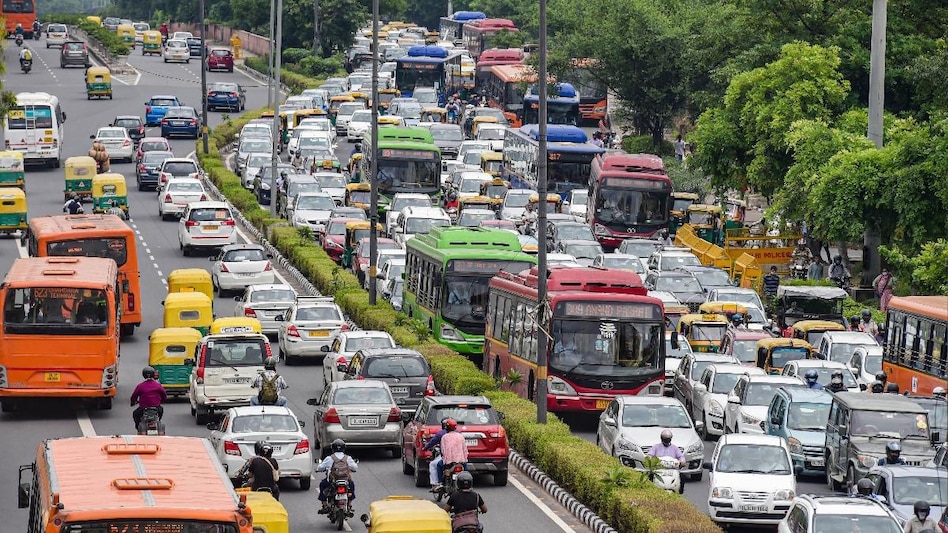
 Delhi air pollution: Govt implements several measures to curb vehicular pollution
The ban on the entry of all private non-Delhi vehicles below BS-VI emission standards, along with the 'No PUC, No Fuel' rules, has come into force from today. Fuel stations are now prohibited from dispensing petrol or diesel to vehicles without a valid Pollution Under Control Certificate (PUCC).
Police and transport officials have increased their presence at border entry points, with 580 police personnel deployed across 126 checkpoints to monitor compliance and maintain order.

 HDFC Bank leadership shake-up: CEO Sashidhar Jagdishan to retire on Oct 26, will not seek reappointment
 GST Council set to meet on September 12; ITC norms, state revenues likely on agenda
 Multiple options exist post the deferment of Tata Sons' AGM, say legal experts
 Essel Group debt: Now, LIC Housing Finance, Union Bank to challenge NCLT's repayment plan
 Why Adani and Tata Power are turning to foreign nuclear reactors over local models
 “Bengaluru Needs Metro, Not A ₹40,000-Crore Tunnel Road,” Says Tejasvi Surya
 Why Astra Microwave Could Benefit From Rising Defence Orders | Defence Sector In Focus
 Alienware 16 Area-51 Review: RTX 5080 Beast Or ₹3 Lakh Overkill?
 Hitachi Stock Doubles In 6 Months: Why It Became The Top Portfolio Performer Of 2026
 TCS, Infosys In Value Zone? Why AI Could Be The Key To Their Next Big Re-Rating
 Jio Platforms IPO gets SEBI nod: Rs 27,500 crore debt repayment plan, $100 billion valuation in focus
 Closing Auction Session: Why the system expected to reduce volatility is still seeing occasional wild swings
 RIL-backed penny stock hits 52-week low; firm clarifies on high trading volume
 Happiest Minds shares slip despite IT stocks surge; here's what is weighing on the stock
 BEL, Solar Industries shares remain Nuvama's top defence picks; here's what it said on BDL, Data Patterns, HAL
 From Apple to the Boardroom: Tim Cook’s leadership roles beyond Apple
 The AI jobs shock: Why reskilling could become unavoidable by 2030, says reportHDFC Bank leadership shake-up: CEO Sashidhar Jagdishan to retire on Oct 26, will not seek reappointment“Bengaluru Needs Metro, Not A ₹40,000-Crore Tunnel Road,” Says Tejasvi Surya
 Ather Energy launches Konarc electric scooter at Rs 99,999












