


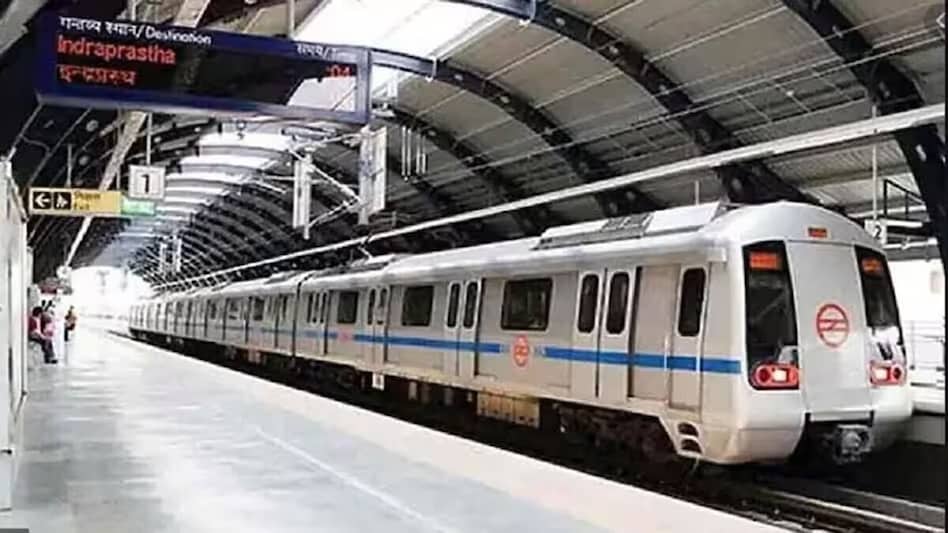
 In addition, Delhi Metro has already started selling IITF tickets online from November 11 wherein anyone can purchase QR tickets from its only official app. (Representative image)
Amid the heavy pollution in Delhi, the Delhi Metro saw its highest-ever daily ridership on November 18, with 78.67 lakh passenger journeys, according to official data.
This broke the earlier record of 77.49 lakh passengers on August 20 this year. The Yellow Line, connecting Gurugram's Millennium City Centre to Delhi's Samaypur Badli, was the busiest, carrying 20.99 lakh commuters on the same day.

 Dope test for all pilots annually? Deliberations between DGCA, stakeholders underway
 Apple’s CEO transition begins: iPhone-maker holds farewell for Tim Cook ahead of John Ternus’ takeover
 Sugar prices set to ease? ISMA says panic buying caused spike, no actual shortage in India
 US plans 7.5% ‘overcapacity’ tariff on Chinese goods, to take overall tariffs to about 20%
 Bank unions strike: Around 8 lakh employees to agitate over 5-day working week, PLI scheme, pension issues
 Metal Stocks Outlook: Why Titan, Tata Steel, Jindal Stainless & Vedanta Look Attractive
 Actress Taapsee Pannu Reveals Why Gandhari Is Her Most Emotional Action Film Yet
 Festive Season Stock Picks: Realty, Hotels, Consumer Durables & Private Banks To Watch
 Airport Privatisation: Govt May Cap Bids At 4 Airports To Curb Oligopoly Concerns
 Radhika Gupta’s Crypto Warning: Why Investors Must Understand What They Buy
 BSE, Kalyan Jewellers, Union Bank shares: Expert weighs in
 IDBI Bank shares rise 2% as lender clarifies on surge in trading volumes; details here
 HDFC Bank shares: JM Financial cuts target price to Rs 800, maintains 'ADD'
 Vedanta shares: VRL repays loans, Anil Agarwal firm updates on encumbrance
 HAL, Astra Microwave, Solar Industries shares: Here's Anand Rathi's top defence stock pickMetal Stocks Outlook: Why Titan, Tata Steel, Jindal Stainless & Vedanta Look AttractiveActress Taapsee Pannu Reveals Why Gandhari Is Her Most Emotional Action Film YetFestive Season Stock Picks: Realty, Hotels, Consumer Durables & Private Banks To WatchAirport Privatisation: Govt May Cap Bids At 4 Airports To Curb Oligopoly ConcernsRadhika Gupta’s Crypto Warning: Why Investors Must Understand What They Buy












