

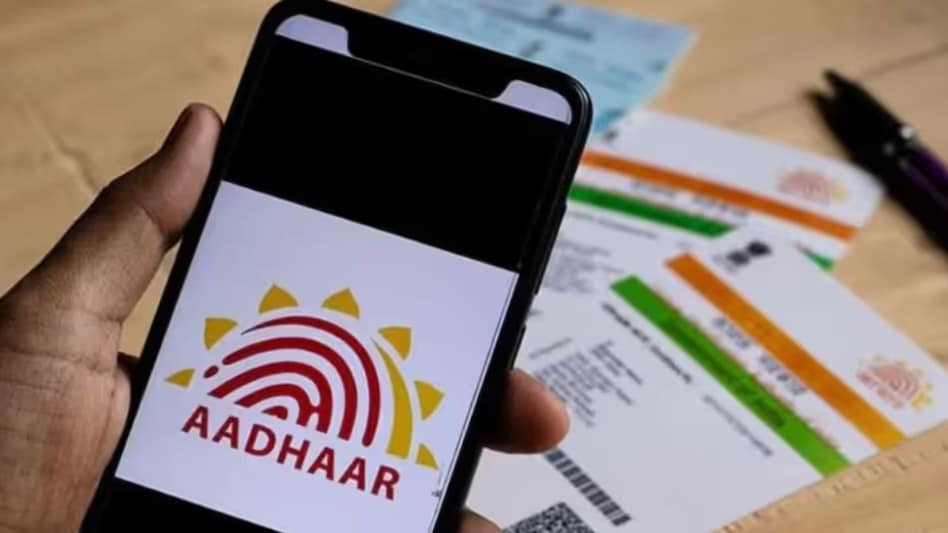
 Aadhaar cannot be accepted as conclusive citizenship proof, said SC
The Supreme Court of India endorsed the Election Commission of India's (ECI) position that Aadhaar cannot be used as definitive proof of citizenship. This affirmation came during hearings on petitions challenging the Bihar voter roll revision, which cited widespread exclusions from electoral lists. Justice Surya Kant, leading the bench, stated, "The EC is correct in saying Aadhaar cannot be accepted as conclusive proof of citizenship. It has to be verified."
The Supreme Court further elaborated that Aadhaar, when submitted with other documents like a ration card, necessitates verification by the Election Commission. Questions arose regarding whether individuals were informed about missing documents required for their voter registration. The court emphasized the importance of ensuring that all eligible voters are adequately informed about the necessary documentation to prevent any unwarranted exclusions.
 RBI likely to keep repo rate unchanged in August as inflation, global risks outweigh strong GDP growth: SBI Research
 About 'Samudra Manthan', the ₹84,084 crore mission that aims to cut India's oil import bills
 Tata Steel, Vedanta among top metal bets for a six-month view, says analyst
 Sebi bars Subhash Chandra, Punit Goenka from securities market for one year over ZEEL land pledge
 LPG rate changes from August 1: Commercial LPG cylinder rates slashed by around ₹200,14-kg cylinder rates unchanged
 Active Vs Passive Mutual Funds: Which Investment Strategy Is Right For You?
 Data Centres, Space & A Stable Rupee: India's Blueprint For The Next Growth Cycle
 Red Sea Crisis: How Global Shipping Lines Are Navigating Another Major Disruption
 Why EV Trucks Are Still Missing From India's Highways | BT Infrastructure Summit 2026
 #BTInfrastructureSummit: Powering India's New Growth Spurt With Infra, Investment & Innovation
 Tata Steel, Vedanta among top metal bets for a six-month view, says analyst
 Bajaj Housing Finance shares down 53% from its peak; is it time to buy?
 GMDC, IDFC First Bank: Expert shares outlook, key levels to watch
 Maruti Suzuki Q1 results: Profit slips 9% YoY to Rs 3,447 crore; revenue climbs 36%
 ITC Q1 results: Profit slips 16% to Rs 4,394 crore YoY; revenue climbs 28%
 Gujarat rains: Entry to lakefront gardens in Ahmedabad banned till August 2; 3 killed in Navsari electrocution
 'The Odyssey' box office collection day 15: Despite 'Spider-Man: Brand New Day' storm, Christopher Nolan's epic sees growth in India
 ICICI Bank vs Bandhan Bank: Compare FD interest rates before investing your moneyTata Steel, Vedanta among top metal bets for a six-month view, says analystAbout 'Samudra Manthan', the ₹84,084 crore mission that aims to cut India's oil import bills










