
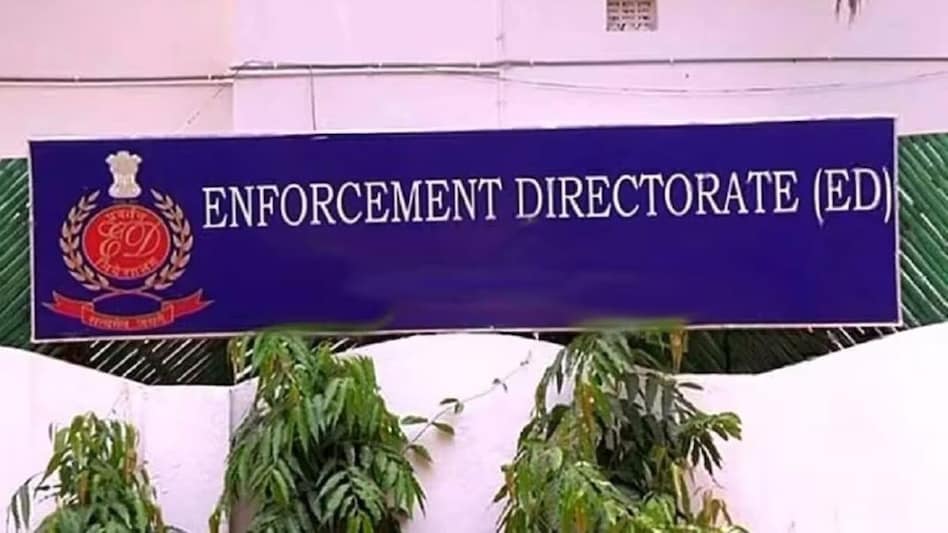
 Former ED chief Karnal Singh decodes laundering playbook
Former Enforcement Directorate (ED) Director Karnal Singh has outlined how criminals and corrupt politicians launder black money in India - and how some, even after being jailed, have gone on to become ministers. "One of the most common ways people launder money is through the banking sector," Singh explained in a podcast conversation with Raj Shamani.
"Funds are invested in real estate or routed abroad using hawala channels. Then there's trade-based money laundering - using over-invoicing or under-invoicing to move large sums out of the country. Within India, people invest in properties under benami names, or set up industries under someone else's identity."
He detailed how illegal money is turned white: "Let's say someone has proceeds of crime. They take a bank loan, start a business, and inject black money into it through fake invoices. The business may not even be operational, but they show revenue. Now that money appears legitimate."

 Setback for Subhash Chandra: NCLT puts media baron's repayment plan on hold, seeks CBI response in 4 weeks
 Tata power play: Chandrasekaran family's TVS ties emerge days after Venu Srinivasan backs his third term
 BT Big Story: Why India Inc is warming up to non-English-speaking executives
 'Looking forward to hosting him': Mark Carney confirms PM Modi's Canada visit in December, CEPA likely to be signed
 Mahindra Thar OG launched at same ₹10.32 lakh starting price, gets more features
 S&P Upgrades India’s FY27 Growth Forecast By 40 Bps To 7%; Expects RBI Rate Hike To 5.50%
 Supreme Court On Medicine Prices: ₹27,000 MRP For ₹2,700 Drug | ‘Extortion’, ‘Daylight Dacoity’
 Macro Volatility Vs Earnings: Why Earnings Matter More Than Valuations | Anshul Saigal
 India’s CDMO Opportunity: Anshul Saigal Spots Underappreciated Names
 IT Stocks Under Pressure: What Next For Indian Markets? | Chakri Lokapriya

 NSE IPO: Sunil Munjal, RK Damani, Raamdeo Agrawal, Dolly Khanna, Kris Gopalakrishnan turn big winners; here's how
 Adani Ports shares: CLSA retains 'Outperform'; highlights logistics, marine growth
 IDFC First Bank shares rise 5% as MOFSL upgrades rating; check target price
 Dixon Technologies stock slips 29% from 52-week high; tracking price targets, recovery prospects
 Oswal Pumps shares jump 8% bags Rs 297 crore solar project in Telangana NSE IPO: Sunil Munjal, RK Damani, Raamdeo Agrawal, Dolly Khanna, Kris Gopalakrishnan turn big winners; here's howMahindra Thar OG launched at same ₹10.32 lakh starting price, gets more featuresAdani Ports shares: CLSA retains 'Outperform'; highlights logistics, marine growth
 Beats 360 launches in India at ₹42,900, offering new headphones with interchangeable cushions
 'Unverified claims': DDCA junks former Ranji player's allegations, seeks probe