


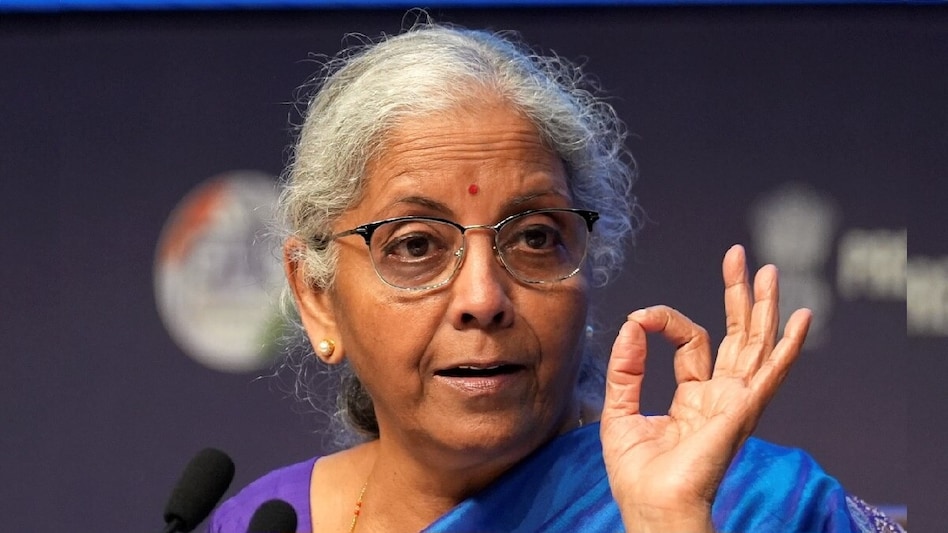
 Sitharaman emphasised that the current surge is not merely pent-up demand, stating that the “consumer story will continue.”
Union Finance Minister Nirmala Sitharaman clarified that the recently announced GST 2.0 reforms are the result of 1.5 years of deliberation, and not a reaction to the ongoing tariff war.
Addressing the media, she said that monitoring of 54 daily-use items has been underway since September 22 to ensure that the benefits of rate reductions are passed on to consumers. “There is not one item where the benefits have not been passed on,” she said, adding that only a few high-end products such as cement and other goods continue to face a marginal 1-2% disparity due to input-output adjustments.

 Japan’s semiconductor push in India: Why Japanese companies are betting on materials, equipment and technology
  Tata Steel seeks fresh UK government funding as Port Talbot project faces delays
 How big is Apple Pay? US payment giant to enter India as UPI dominates digital payments
 Delhi airport gets its third runway operational; optimise aircraft movement
 Tata Sons crisis: Why the 1-1 split among Tata Trust nominees matters
 CEA On India’s 7.8% Growth, Rural Incomes And Government’s Job Creation Push
  Gold Price Outlook: Why Dollar Weakness Could Keep Gold And Silver Prices Attractive Ahead
 Gold vs Silver Investment Strategy: Is This The Right Time To Buy For Long-Term Returns?
 Corporate Vs Personal Health Insurance: Which Is Better On A Budget?
 Gold Price Outlook: Why Gold Could Rise Despite Global Interest Rate Hikes | Silver Market Update
 Jindal Supreme, SS Retail, Hero Motors IPOs subscribed up to 181 times on final day; details here
 Sensex, Nifty post sixth weekly loss; TCS, Titan among top laggards, slip up to 4%
 How AI collapse could benefit Indian equity market; Jefferies' Christopher Wood explains
  Banks are no more secular growth story, prefer NBFCs: Chris Wood
 Jefferies' Christopher Wood sees gold at $10,000 'sooner or later'; likes India's small, midcaps
 High prices not a downer: iPhone 18 Pro series demand surges in India despite premium tagTata Steel seeks fresh UK government funding as Port Talbot project faces delays
 Greater Noida hit-and-run case: Car crashes into students near GNIOT College, driver held
 Lalbaugcha Raja receives ₹3.18 crore in 3 days: Check gold, silver and cash breakdownJapan’s semiconductor push in India: Why Japanese companies are betting on materials, equipment and technology












