


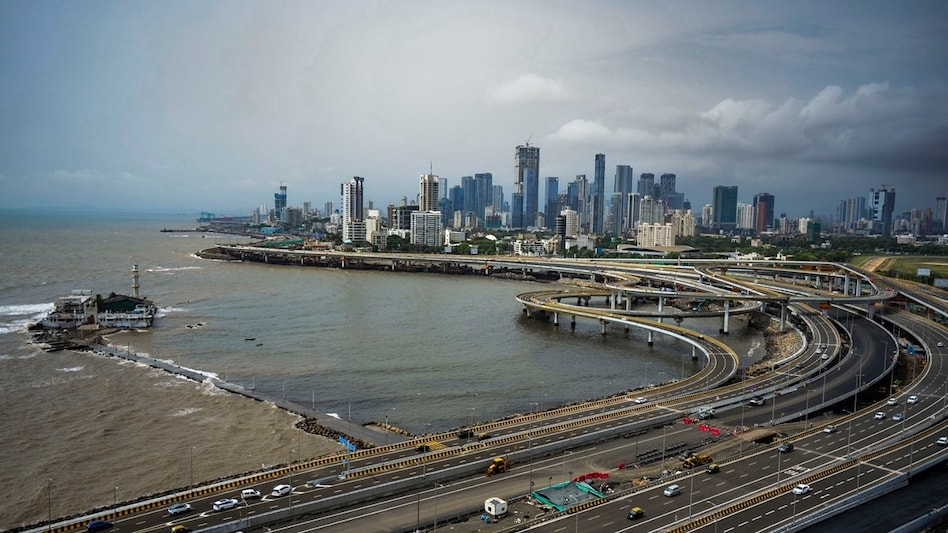
 Even as rain begins to return, the impact of one of the weakest June monsoons in recent memory is already visible
After nearly two weeks of stagnation, India’s southwest monsoon is finally showing signs of life, bringing a measure of relief to parts of the country that have been waiting for rain. Moisture-laden winds from the Arabian Sea have begun pushing into Mumbai, its suburbs and parts of south-east Gujarat, raising hopes that the delayed revival of rainfall may now be under way.
Even as rain begins to return, the impact of one of the weakest June monsoons in recent memory is already visible. Experts have pegged June 2026 as the driest in over a century. According to the latest India Meteorological Department data, the country received just 53.1 mm of rainfall between June 4 and June 22 against a normal of 97.6 mm, leaving India with a rainfall deficit of 46 per cent. Large parts of central, northern and peninsular India remain in the deficient or large-deficient rainfall category.

 BRICS Summit 2026: Delhi traffic advisory for September 12. Roads to avoid, diversions, alternatives
 Unified BRICS payment system is achievable, but trust is key hurdle: BRICS Business Council chair
 From BRICS to Quad and G20: India’s expanding footprint across global groupings
 BRICS Summit 2026: Cloudy skies, rain, thunderstorms forecast in Delhi-NCR on Summit day
 Sebi’s Demat 2.0 lays groundwork for tokenising more regulated financial assets
 Insurance Stocks: Value Trap Or Buying Opportunity? Why Current Valuations Could Offer Good Returns!
 Market Commentary: Arun Kejriwal On Nifty, Stocks & The Next Big Move
 Gadkari: FASTag Is More Than Toll Payment, It’s Digital Mobility Infrastructure
 Russia Eyes Bigger India Investments: Sberbank CEO Herman Gref On The Next 2-3 Years
 India’s Cybersecurity Is Still In The Awareness Phase?
 Sebi’s Demat 2.0 lays groundwork for tokenising more regulated financial assets
 NSE IPO: Haven't applied for shares to trade on own platform, says MD and CEO Chauhan
 NSE's selling shareholders set to rake in bonanza amid a weak broader market
 Milky Mist shares hit 5% upper circuit; here's what analysts say
 Sensex, Nifty settle lower but recover sharply from intraday lows; here's why
 Quote of the Day by Ritesh Agarwal: 'One should accept failure and be willing to learn, unlearn and relearn again'
  Saudi Arabia shuts key Hormuz oil bypass line after Iraq drone strikes. How it impacts oil?Insurance Stocks: Value Trap Or Buying Opportunity? Why Current Valuations Could Offer Good Returns!
 Apple’s ₹3 lakh iPhone Duo faces one big India test: Will iPhone users pay?BRICS Summit 2026: Delhi traffic advisory for September 12. Roads to avoid, diversions, alternatives












