


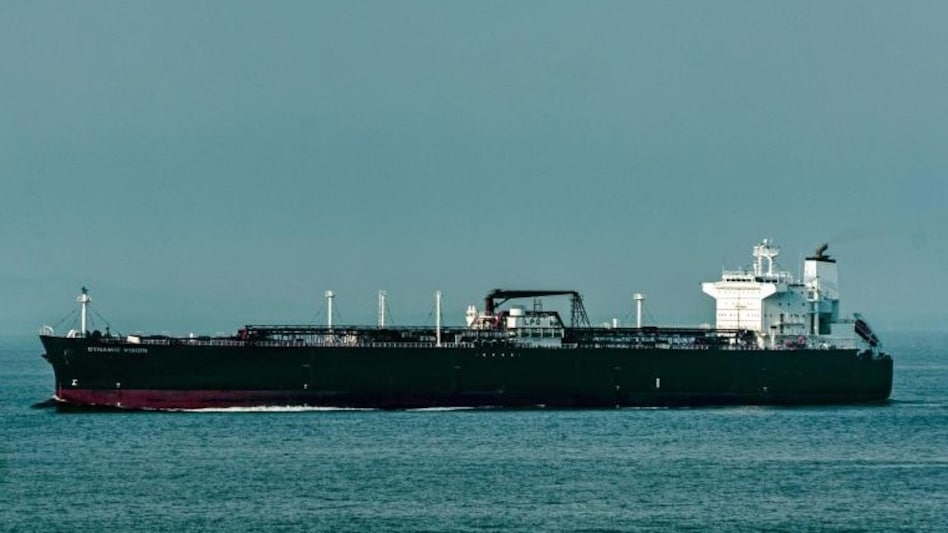
 Notably, the vessel was among those stranded west of the Strait of Hormuz at the onset of the conflict in March before successfully exiting the region in mid-March.
India-flagged Nanda Devi is the only inbound LPG carrier at Strait of Hormuz and is headed to Qatar's Ras Laffan for loading. Total transits through the Strait of Hormuz remained steady at 47 on July 7 while there is a jump in dark crossings, according to S&P Global MINT and S&P Global Commodities at Sea.
Transit patterns on July 7 reflected a sharp increase in dark crossings, with only one vessel visibly transiting via the route along the Omani coast. Overall, 36% of crossings during the day were carried out while operating dark, compared with a July-to-date average of 21%.

 Shaktikanta Das flags need to cut India's oil import dependence, cites Rs 84,000-crore offshore push
 Indian rupee hits two-month low, ends nearly flat below 96 per US dollar
 Reliance, Nayara restrict fuel sales as crude hits $107 and retail prices stay frozen: Report
 No social media for under 18s? Centre mulls new safeguards after SC raises concern
 Gold is booming, but EGRs aren’t: Why electronic gold receipts are struggling to attract investors despite market buzz
 Supreme Court Questions High Medicine Prices At Corporate Hospitals | Essential Drugs Pricing
 India Seeks Alternate Air Routes Via China, Bhutan To Cut Airline Costs | Pakistan Airspace Ban
 8 Years Of Ayushman Bharat: Benefits, Eligibility & How To Claim | Insurance Guide | Money Today
 Noel Tata Hits Back With New Merger Plan | Can Tata Sons Avoid Listing? | Boardroom War
 Tata Vs Tata: The iPhone, Ram Mandir Connection That Could ‘Rescue” Tata Sons
 Nilesh Shah on FOMO: Why investors should stop chasing ‘once-in-a-lifetime’ opportunitiesIndian rupee hits two-month low, ends nearly flat below 96 per US dollar
 Stock picks during correction: Coal India, Sona BLW, Blue Star form part of defensive watchlist, says analyst
 Helios Capital on why falling gold prices are not a trigger for renewed interest in yellow metal
  Prestige Estates stock outlook: Motilal Oswal sees 29% upside on strong launches, check target price
 NKN Media hits AED 300 million valuation after AED 15 million investment by Dhiraj Jain
 Bank holidays in October 2026: Check state-wise closures before visiting your branch
 Asian Games 2026: India wins gold in women’s 4x400m relay, opens athletics account at Nagoya
 'Which muhurat is NIA waiting for?' Mumbai court grants Sachin Waze bail in Antilia case
 Starbucks brings a Bengali twist to Pujo with Shorshe Chicken Burger, Kosha Mangsho Roll and Kalakand Pie












