


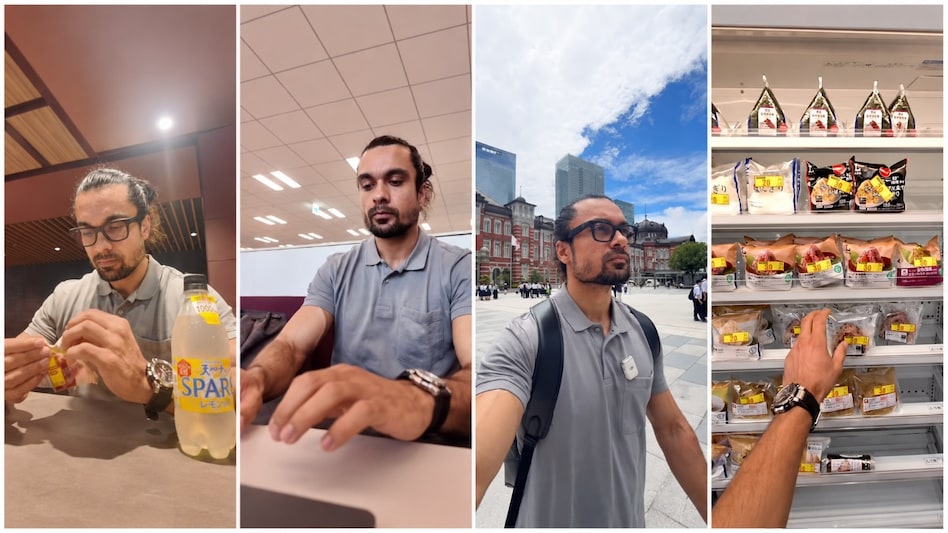
 10 years in Japan: Indian professional explains why office culture matters more than job hunt (Instagram/@ankit_purohit_japan)
For Indian professional Ankit Purohit, working in Japan is not just about landing a job. The real adjustment begins after entering the workplace.
Purohit, who has lived and worked in Japan for 10 years, shared an Instagram video explaining the everyday rules and habits that shape office life in the country. His account covered punctuality, hierarchy, lunch breaks, elevator etiquette, overtime and boundaries after work.

 How Sun Pharma is avoiding a tariff hit by agreeing to MFN pricing for US Medicaid
 BT EXCLUSIVE: Can the soundbox become a bank branch?
 GST mop up rises 14.8% to nearly ₹2 lakh crore in August, refunds climb 68%
 Purple Style Labs IPO: Pernia Qureshi sends legal notice over ‘Pernia’ rights; Axis Capital revises note
 Who is George Kovoor? PepsiCo veteran takes charge as Parle Biscuits CEO
 Modi, Putin, Xi, Pezeshkian At SCO: Is Trump Facing A New Anti-U.S. Power Bloc?
 Two Kerala Women Die In California; Families Await Answers And Their Daughters’ Return Home
 PAK’s Digital Terror Plot: How ISI-Backed Networks Hide Behind Anonymous Online Chats
 RSS Chief’s Mohan Bhagwat’s ‘Vishwaguru’ Message Sparks Political Clash Over India’s Idea Of Service
 Why Are Himalayan Disasters Increasing? Nepal, Uttarakhand & Sikkim Sound The Alarm
 Sugar stocks: Why Balrampur Chini, Bajaj Hindusthan, Dwarikesh Sugar, others are falling today
 Titan, PC Jeweller, Manappuram Finance, Kalyan Jewellers shares fall up to 7% post PM Modi's appeal
  GIC Re shares: Why Angel One sees 25% upside on this PSU reinsurer
 Tata Elxsi shares climb after pact with Sarla Aviation for Shunya aircraft; details here
 Auto ancillary stocks in focus: India to play big role in global supply chain, says Asit Bhandarkar
 Rajiv Kumar pushed for changes at HDFC Bank; Sashidhar Jagdishan chose to step down: Report
  Hyundai Motor India posts record sales in August
 ‘Shark Tank India's aftermath turned out to be good’: YouTuber Gaurav Taneja on getting ₹300 cr valuation for Beast Life
 Deepa Jewellers IPO Opens Today: Should Investors Subscribe? Key Positives & Risks Explained
 FM Nirmala Sitharaman’s First Reaction On Better Than Expected GDP Growth Figures For Q1












