The development has once again spotlighted a long-discussed but largely untapped energy source in India.
What is geothermal energy?
Geothermal energy is heat generated and stored inside the Earth. This heat originates from the planet’s core, radioactive decay of minerals, volcanic activity and underground hot water reservoirs.
The energy can be harnessed in multiple ways:
- Generating electricity through steam-driven turbines
- Heating buildings and greenhouses
- Industrial applications
- Direct-use hot water systems
Unlike solar or wind energy, geothermal energy is available round the clock and is not dependent on weather conditions. That makes it a potentially reliable “baseload” renewable energy source.
How does geothermal power generation work?
In geothermal-rich regions, underground reservoirs of hot water or steam are accessed through drilled wells.
The steam or hot water is then brought to the surface to:
- Spin turbines and generate electricity
- Provide direct heating
- Support industrial energy needs
After use, the cooled water is often injected back underground to sustain the reservoir.
Why is Ladakh’s Puga Valley important?
The Puga Valley region in Ladakh is considered India’s most promising geothermal site.
Located in the Himalayan geothermal belt, Puga has:
- Hot springs
- Sulphur deposits
- High underground heat flow
- Active geothermal manifestations
Scientists have studied the area for decades, but difficult terrain, remoteness and high development costs slowed commercial progress.
ONGC’s latest drilling success is significant because it demonstrates India’s ability to carry out deep geothermal exploration in one of the country’s harshest environments.
Where are India’s geothermal resources located?
India is estimated to have hundreds of geothermal springs spread across multiple geothermal provinces.
Major geothermal regions include:
- Himalayan geothermal belt: Ladakh, Himachal Pradesh and Uttarakhand.
- Cambay geothermal region: Gujarat
- Son-Narmada-Tapi lineament: Madhya Pradesh, Chhattisgarh and Maharashtra
- Godavari geothermal basin: Telangana and Andhra Pradesh
- West Coast geothermal belt: Maharashtra and Goa
- Andaman & Nicobar Islands: Volcanic and tectonic activity make the islands geothermally significant.
According to government and scientific assessments, India has more than 300 geothermal hot spring locations.
What is India’s geothermal energy potential?
India’s geothermal energy potential remains underexplored, but estimates suggest significant long-term possibilities.
Various scientific studies and government assessments have projected: Potential geothermal power generation capacity of around 10 GW or more, large-scale direct heating applications and industrial and district heating opportunities in colder Himalayan regions.
However, only limited pilot-scale activity has taken place so far.
Unlike countries such as:
- Iceland
- United States
- New Zealand
- Indonesia
India has yet to establish a commercial geothermal power plant.
Why geothermal energy matters for India
- Round-the-clock renewable power: Solar power works during daylight hours, while wind generation fluctuates with weather conditions. Geothermal energy can provide continuous electricity generation.
- Lower carbon emissions: Geothermal plants emit significantly lower greenhouse gases compared to coal or gas-based power generation.
- Energy security: Domestic geothermal energy could reduce dependence on imported fossil fuels.
- Useful for remote regions: Geothermal systems may be particularly effective in isolated mountainous regions such as Ladakh, where fuel transportation is expensive and difficult.
- Small land footprint: Compared with large solar parks or hydroelectric projects, geothermal facilities generally require less surface land.
What are the challenges?
Despite its promise, geothermal energy faces major hurdles in India.
- High exploration costs: Drilling deep wells is expensive and risky. Resource confirmation requires advanced geological studies and specialised technology.
- Difficult terrain: Many geothermal regions are located in remote Himalayan or tectonically active zones.
- Lack of policy support: India currently lacks a dedicated geothermal energy policy framework comparable to solar or wind sectors.
- Limited private investment: Because geothermal projects require high upfront investment and long development timelines, private participation has remained limited.
- Technological complexity: India is still developing expertise in advanced geothermal drilling and reservoir management.
Can geothermal become a major renewable source for India?
Experts believe geothermal energy is unlikely to replace solar or wind in scale, but it could become an important complementary renewable source. Its biggest advantage lies in reliability.
As India expands renewable energy capacity and modernises its electricity grid, stable clean energy sources capable of supplying uninterrupted power will become increasingly valuable.
ONGC’s Puga Valley drilling project marks one of India’s most serious geothermal exploration efforts in recent years.
Traditionally associated with oil and gas exploration, the company’s geothermal push also reflects how Indian energy firms are diversifying into cleaner technologies amid the country’s net-zero and energy transition goals.



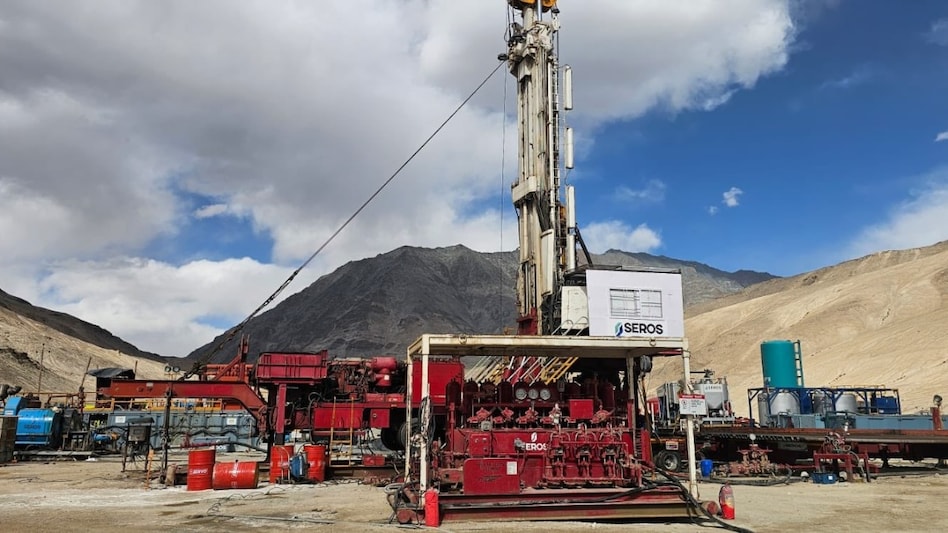 The renewed focus comes after state-run energy major Oil and Natural Gas Corporation (ONGC) announced a major breakthrough in Ladakh’s Puga Valley.
 BT Big Story: The price tag of UPI: Will small shops go back to cash?
 Trump-Xi meet: Warm words, sharp divide on AI as US-China moves into ‘superintelligence’ age
 NSE to expand co-location capacity; chairman says manipulation can be flagged in real time: Report
  Insurance commission caps: What happens to your policy when the seller earns less?
 '6 crore shopkeepers, traders impacted': Trade body urges Nirmala Sitharaman to roll back UPI MDR
 Meta’s New Gadgets: Camera-Free Glasses, VR Eyewear And AI Handheld Device Unveiled
  MDR Levy: Will Retail Trading Volumes Take A Hit? | NSE Chairman Srinivas Injeti
 NSE Lists At ₹1,800: Exclusive Post-Listing Interview With India's Largest Exchange
 From Mobile Trading To AI: How NSE Plans To Protect Market Integrity
 NSE On India’s Capital Markets Growth | IPOs, REITs, InvITs And More
 MCX shares slip after hitting record high; here's why the stock is in focus
 German Green Steel & Power IPO opens today: Should you subscribe? Check reviews & latest GMP
 Wheels India, Inox Green shares rise up to 5% as companies launch QIPs; check details
 Snapdeal-parent AceVector IPO opens: Should you apply or avoid? Check price band, reviews & GMP
  Orient Cables (India) IPO opens today: Should you apply? Check price band, reviews, fresh GMP & more
 ‘We’re not going to let you...’: JD Vance issues fresh H-1B warning to US companies
 iPhone 18 Pro bug triggers freezes and restarts when Face ID fails: Apple confirms software fix












