


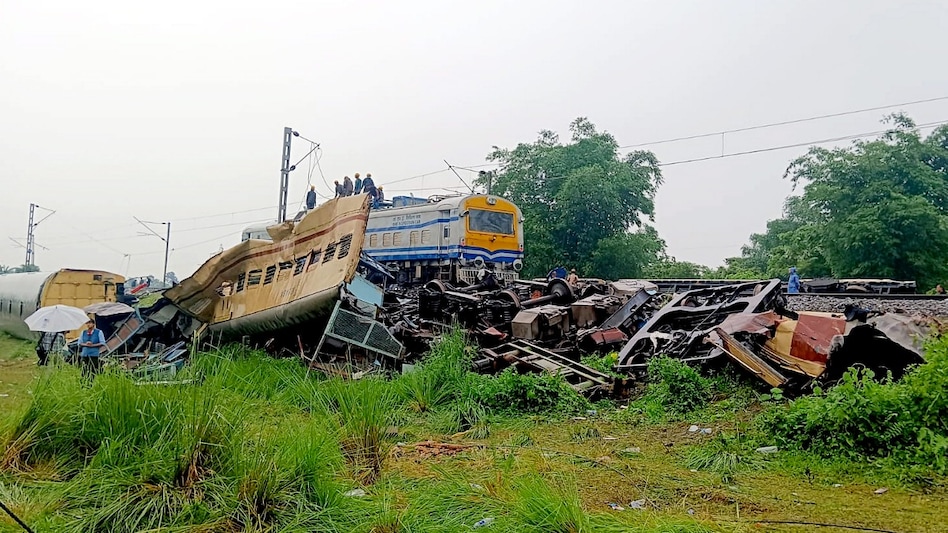
 Kanchanjunga Express accident: All eyes on Kavach protection system (PC: PTI)
Kanchamjunga train accident: The collision between a goods train and Kanchanjunga Express in West Bengal on Monday, leaving at least nine dead, has renewed the call for expediting the deployment of Kavach. The indigenously-developed Automatic Train Protection (ATP) system is, so far, operational in just 2 per cent of the railways network and 6,000 km has been tendered and is in process. The system is currently deployed on 1,465 km and 139 locomotives (including Electric Multiple Unit rakes) on the South Central Railway. The tendering process for another 10,000 km is underway.
Presently, Kavach contracts have been awarded for Delhi-Mumbai (including Ahmedabad-Vadodara section) & Delhi-Howrah (including Lucknow—Kanpur section) corridors approximately covering 3,000 km under Eastern Railway, East Central Railway, North Central Railway, Northern Railway, West Central Railway and Western Railway.
Sudhanshu Mani, former General Manager of Integral Coach Factory, Chennai, says there is no time to play the blame game.
“The Kanchanjunga Express accident underscores the need for a much faster rollout of Kavach, which would have surely prevented this tragedy. It is disappointing that Indian railways is trying to get away with lame excuses like industry capacity (for Kavach production),” he says.

 GLP-1 market may be smaller than expected, says Lupin; plans next wave of weight-loss drugs
 Purple Style Labs IPO opens on August 31; check dates, lot size, investors & other key details
 Meta teen addiction trial: Instagram head says few teens knew safety tools; States to explore settlement
 Gaja Alternative Asset Management shares make a decent market debut; stock lists at 16% premium
  Trump admin pauses US visa appointments globally: Indian students, workers to face delays in getting interview slots
 Trump Moves To Make H-1B Visa Fee Permanent And Higher: What It Means For Indians
 Market Rally Vs Geopolitical Risk: What Wins From Here? Aditya Agarwal
 Daily Calls: Ask Your STOCK MARKET TODAY QUERIES | Market Update | Share Market News Today
 Symbiotec Pharmalab IPO | Top Management On Growth Plans, Business Outlook & IPO Strategy
 Chennai Second Airport Halted: Parandur Project Faces Wetland Concerns & Political Storm
 Jana Small Finance shares extend fall amid Federal Bank merger buzz; clarification issuedPurple Style Labs IPO opens on August 31; check dates, lot size, investors & other key details
 Cyient shares surge 8%: Targets by MOFSL, Antique, Choice, Nuvama post Investor Day
 SEPC shares jump 5% as board approves restructuring; key details
  PhysicsWallah block deal: Equity worth Rs 550 crore changes hands; stock climbsJana Small Finance shares extend fall amid Federal Bank merger buzz; clarification issued
 Claude Cowork gets shared memory with chat: What it means for youMeta teen addiction trial: Instagram head says few teens knew safety tools; States to explore settlementPurple Style Labs IPO opens on August 31; check dates, lot size, investors & other key details
 Gold, silver prices today (August 26): Check latest rates in Delhi, Mumbai, Kolkata, other cities












