


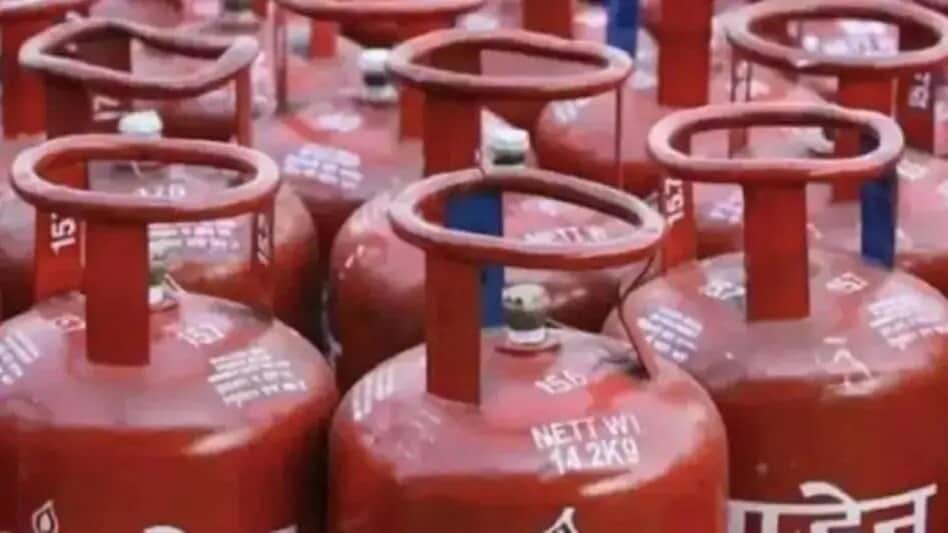
 Under a 14 March amendment to the LPG Regulation Order, households with PNG must surrender their domestic LPG connections.
 The Ministry of Petroleum and Natural Gas has introduced a new set of rules for liquefied petroleum gas consumers from 1 May 2026, in one of the biggest changes to the country’s cooking gas system in recent years. The government has started identifying households that have both LPG and piped natural gas connections after banning dual ownership to curb misuse and improve subsidy targeting.
LPG-PNG connections on radar?
FAQs
Why has the government banned dual ownership of LPG and PNG connections from 1 May 2026?
The government has barred households from keeping both domestic LPG and piped natural gas connections to prevent misuse, improve subsidy targeting and give priority to families that do not have PNG access.
What happens if a household already has both LPG and PNG connections?
Under the amended LPG rules, such households must surrender their domestic LPG connection. They will not be eligible for LPG refills or fresh domestic LPG connections, and oil companies and distributors have been told not to supply LPG to them.
What new LPG delivery and booking rules have been introduced for consumers?
Consumers using Indane, Bharat Gas and HP Gas will face stricter norms such as OTP-based delivery, mandatory KYC updates and a longer gap between bookings. The booking interval has been raised from 21 to 25 days in urban areas and up to 45 days in rural areas.
Have LPG cylinder prices increased in 2026?
Yes, commercial LPG cylinder prices have risen sharply since March 2026, with cumulative hikes reaching ₹993 by 1 May. However, the price of the 14.2 kg domestic LPG cylinder has remained unchanged at ₹913 in Delhi after the last increase on 7 March.
Have petrol and diesel prices changed, and is LPG supply affected?
Petrol and diesel prices in Delhi remain unchanged at ₹94.77 per litre and ₹87.67 per litre respectively. The government has said it is maintaining 100 per cent supply of domestic LPG, PNG and CNG despite global tensions and pressure on energy imports.

 'FOMO, fixed return': SEBI proposes revamped ad code for bond portals from misleading investors
 Bangladesh-Pakistan ties: What Dhaka’s interest in Saudi-Türkiye defence pact means for India
 AI jobs rise 51% in India, but 75% of job skills could change by 2030: LinkedIn India head
 From small loans to big businesses : How rural women are changing India’s microfinance story
 RBI forex swap facility draws $72.85 billion inflows, FCNR(B) deposits account for bulk
  Rental Income Tax: 3 Key Deductions Every Senior Citizen and Property Owner Should Know
 Meta’s $200 Billion Trial: Did Instagram & Facebook Keep Kids Hooked?
 Motor Insurance Explained: Is Third-Party Car Insurance Enough? Know Before You Buy
 Retirement Tax Planning: 5 Ways Senior Citizens Can Reduce Their Tax Liability
 #IndiaAt100 : Adipen Bose Nandhiji On Conscious Capitalism- Can Profit & Purpose Coexist?
 India stocks lag global markets in 2026: BofA data shows 9.1% decline in USD terms'FOMO, fixed return': SEBI proposes revamped ad code for bond portals from misleading investors
 Crompton Greaves says no plan to sell stake, expects revenue to double by FY31
 Gaja Alternative Assets IPO: 3 ways to check application status; allotment odds, GMP, listing date
 FII sentiment shows early signs of turnaround after months of selling: Report
 ₹20,000 to ₹1 lakh: How much can you earn from a 444-day FD in top PSU banks?
 Winning Gen Z: Why fintechs are turning every payment into a consumer engagement opportunity
 US debt hits danger zone: Ray Dalio explains why a ‘Big Debt Cycle’ could trigger a crisis
 Pacific temperatures could hit 3°C above normal: Will 2026 ‘Super El Niño’ rewrite weather records?
 Applying for a US Green Card? New Form I-485 becomes mandatory from September 18












