


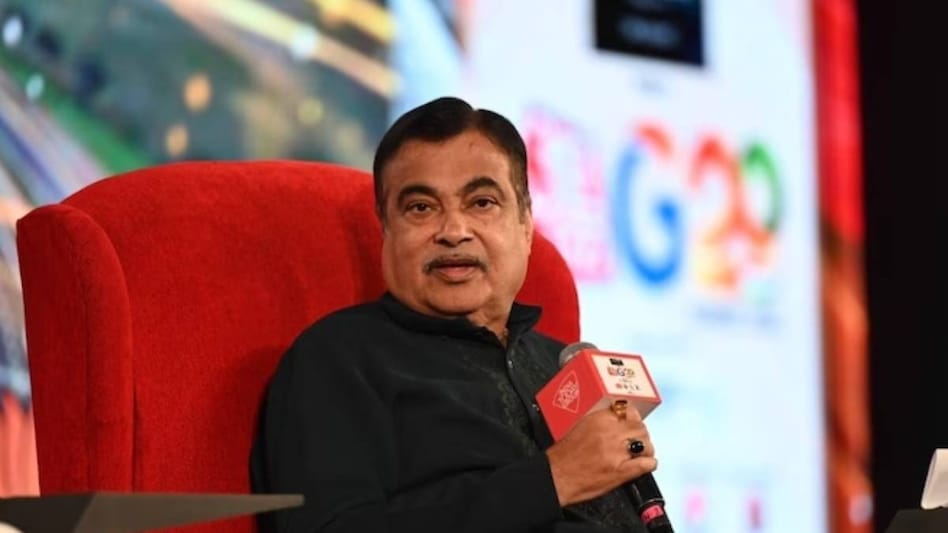
 Highlighting the importance of reducing road accidents, Nitin Gadkari reiterated the goal of a 50% reduction in road accident deaths by 2030.
 Nitin Gadkari took charge as the Minister for Road Transport and Highways for the third time under Prime Minister Narendra Modi's leadership, met with senior officials of the ministry to outline his vision and set the agenda for his new term.
Sources said that in his initial meeting, Gadkari emphasized several critical priorities, including road safety, expansion of the highway network, and bolstering electric vehicle (EV) infrastructure. Highlighting the importance of reducing road accidents, he reiterated the goal of a 50% reduction in road accident deaths by 2030. Gadkari also discussed the implementation of cashless treatment for road accident victims, aiming to provide immediate and comprehensive medical care to those injured on highways.

 HDFC Bank's new CEO Anup Bagchi faces two big tests: Governance and investor trust as stock slides 27%
 Noel Tata reached out to India's top business tycoons ahead of Tata Sons board showdown: Report
 Elon Musk is back in Trump's government. His new Pentagon job: Study the future of war
 HDFC Bank appoints Anup Bagchi as MD & CEO for three-year term from October 27
 Global bond yields hit multi-decade highs as oil, inflation and debt worries mount: Report
 Oral GLP-1 Drugs: Novo Nordisk, Eli Lilly Eye India Launch In 2027 | Pharma Stocks In Focus
 U.S. Leaves Iraq After 23 Years: Who Will Fill The Power Vacuum?
  IOC Buys Iraqi Crude At $32 Discount: What It Means For Refining Margins & Profitability
 New-Age Stocks: Why Quick Commerce Could Be The Next Big Consumption Opportunity
 CDMO Stocks: Why The Sector Could See Strong Long-Term Growth
 Goldman Sachs pushes back on 'short-AI' India narrative, says report; 42 stocks in focus
 PB Fintech shares crash 48% in six sessions; stock barely holds above IPO price
 Welspun Living shares gain 5%; Jefferies retains 'Buy' call; check target price
 Nifty extends slide to eighth straight week, longest in 25 years; TMPV, Maruti, M&M, Jio Financial among top drags
 Rs 2.7 lakh crore gone! Tata Sons tussle wipes out 10% value of Tata group stocks
 Trump administration revokes 250,000+ US visas; birth tourism, criminal cases under scanner
 US visa and immigration fees increase: New USCIS charges effective October 16
 Mahindra, Embraer advance plans for C-390 military transport aircraft in India, pick Nagpur for assemblyElon Musk is back in Trump's government. His new Pentagon job: Study the future of war
 ICC World Cup 2027: Check India's full match list, Men in Blue to face Australia, Pakistan in 'Group A'












