


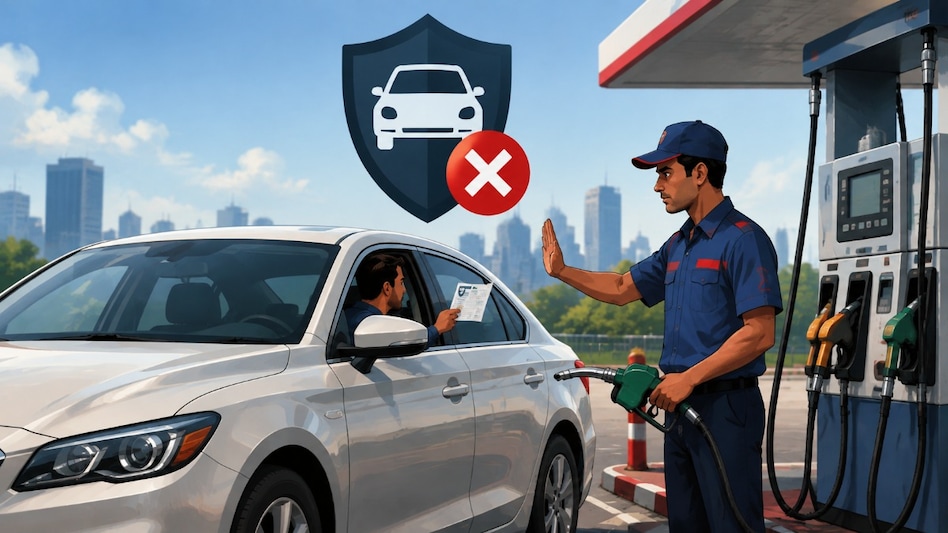
 Uninsured vehicles may soon be denied fuel under new SC-backed pilot plan
Driving around without valid insurance could soon cost you access to fuel itself. The Supreme Court has floated a sweeping plan to clamp down on uninsured vehicles, directing the Insurance Regulatory and Development Authority of India (IRDAI) and the Ministry of Road Transport and Highways to design a pilot scheme in which petrol pumps would verify a vehicle's insurance status before dispensing fuel.
Should the plan take shape, vehicles found without valid cover could simply be turned away at the pump until their insurance is sorted.

 Brent crude tops $96 per barrel after Trump claims 'almost total control' of Strait of Hormuz
 'US in almost total control of Hormuz Strait': Donald Trump after US military's 'wave of strikes' against Iranian bases
 'It will be game over': Elon Musk warns sustainable energy alone won't save humanity
 Poor storage, no regular cleaning schedule: Tukaram Mundhe's FDA suspends Akola Blinkit operator's license
 ITC Hotels shares in focus on completion of GHK Hospitality acquisition; key details
  Kotak’s Mid Cap & Flexi Cap Strategy: Where Should Investors Bet Now?
 India GDP Growth At 7.8%: What It Means For The Economy, Markets & You
 Sugar Stocks Under Pressure | Govt Tightens Dealer Stock Limits Till Nov 30
 Market Commentary: Where Is The Next Big Opportunity? | Asit Bhandarkar
 Daily Calls: Ask Your STOCK MARKET TODAY QUERIES | Market Update | Share Market News Today
 Mphasis, Engineers India, Caplin Point: Top stocks to trade — Key levels, target prices & stop loss
 Adani Green shares: AGEL in focus as arm starts 139 MW solar project in Gujarat
 Mphasis shares in focus on TechnoPro tie-up to expand AI offerings in JapanITC Hotels shares in focus on completion of GHK Hospitality acquisition; key details Brent crude tops $96 per barrel after Trump claims 'almost total control' of Strait of HormuzMphasis, Engineers India, Caplin Point: Top stocks to trade — Key levels, target prices & stop loss
 ‘Must send a strong message to countries that use terrorism’: PM Modi at SCO in the presence of Shehbaz SharifAdani Green shares: AGEL in focus as arm starts 139 MW solar project in Gujarat
 Princess Diana preferred black coffee, but this fragrant tea was her favourite royal brewMphasis shares in focus on TechnoPro tie-up to expand AI offerings in Japan












