


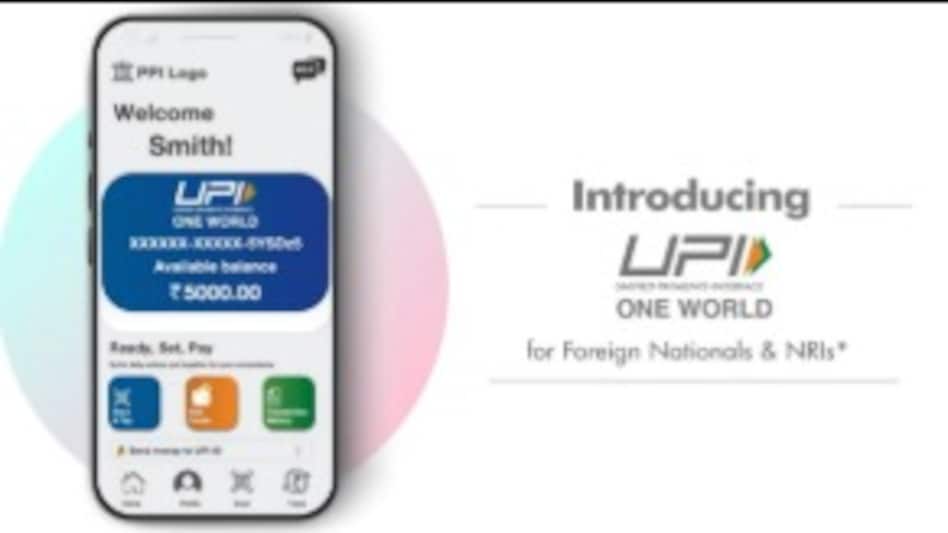
 Delegates can load the wallet through various payment methods and pay by scanning UPI QR codes.
International visitors at the India AI Impact Summit in New Delhi can now pay easily using India’s UPI system, thanks to a new initiative by the National Payments Corporation of India (NPCI).
The pilot programme, called ‘UPI One World’, allows delegates from over 40 countries to make real-time payments at shops, restaurants, and stalls—even without an Indian bank account or mobile number. Visitors can enjoy India’s culture and cuisine while using “Made in India” technology.

 Much of the market downside may be behind us, says Carnelian’s Vikas Khemani
 Fewer seats, higher fares: Why flying home this festive season costs more
 Jio Platforms IPO: Reliance Group set to overtake Tata Group in market cap race; check India's top-5
 Samsung vs Dua Lipa: The $15 million photo fight takes a new turn over TV packaging
 BT BIG STORY: Why young global scholars are returning to teach at India's B-schools
 Bonds Vs FDs? PPFAS CIO Tejas Soman Decodes The Ultimate Debt Strategy
 Daily Calls: Ask Your STOCK MARKET TODAY QUERIES | Market Update | Share Market News Today
 LIVE What’s Hot: Stocks, Gold & Big Money Moves | Daily Markets Show | October 19 | Business Today
 IMF Warns: AI Sell-Off, Bond Yields Could Rattle Markets
 Dalal Street Outlook: Why High US Interest Rates May Not Hurt Indian Markets
 Hindustan Zinc Q2 earnings: Net profit zooms 149%, revenue at Rs 15,093 crore
  Muhurat Trading 2026: NSE, BSE announce Diwali timings; check full schedule
 ICICI Bank shares close lower after Q2 earnings; 3 brokerages remain bullish
 Union Bank of India shares rise 5% on Q2 earnings, check detailsMuch of the market downside may be behind us, says Carnelian’s Vikas KhemaniHindustan Zinc Q2 earnings: Net profit zooms 149%, revenue at Rs 15,093 crore
  India is funding biotech startups, but investors aren't coming back: Kiran Mazumdar-Shaw explains whyBonds Vs FDs? PPFAS CIO Tejas Soman Decodes The Ultimate Debt Strategy Daily Calls: Ask Your STOCK MARKET TODAY QUERIES | Market Update | Share Market News TodayLIVE What’s Hot: Stocks, Gold & Big Money Moves | Daily Markets Show | October 19 | Business Today












